Portretul lui David De Coninck

Picturi David De Coninck: Cele 17 de cele mai faimoase, prin ochii unei galerii

Actualizat Noiembrie 2026 · clasat în funcție de scorul nostru de popularitate (căutări, vizite și comenzi pentru fiecare operă) · 18 lucrări ale lui David De Coninck în catalogul nostru

Pe scurt

În ochii galeriei, cea mai celebră pictură a lui David De Coninck este Atribuido A David De Coninck ) (1636). (antwerp Brussels) (1699) și Circle Of David De Coninck ) (1701) completează trioul pe care orice ochi îl recunoaște. Dintre cele 18 opere ale lui David De Coninck din catalogul nostru, galeria prezintă mai jos cele 17 cele mai faimoase, fiecare fiind originală, cu anul creării, muzeul de păstrare și elementul care o face unică.

1644 – 1701, Antwerp Baroque Cele mai multe lucrări: National Gallery

Cele mai apreciate 10 picturi ale lui David De Coninck din galerie

4
ad Birds and Game with Gun Dogs and a Little Owl de David De Coninck

ad Birds and Game with Gun Dogs and a Little Owl

Oil On Canvas · National Gallery, Londra

A heavy silence settles over the scene, broken only by the stillness of the fallen. In the fading light of a setting sun, three hunting dogs rest beside an overflowing basket of game. The animals are caught in moments of quietude: one sniffs the earth, another stares into the distance, and a third watches a small owl. This owl, a common decoy, stares back with unblinking eyes. Beneath the dogs,…

Picturi cu David De Coninck, clasate de la 11 la 17

Piesele celebre ale lui David De Coninck, perioadă cu perioadă

Subiectele care i-au captivat privirea lui David De Coninck

Cele patru teme care revin cel mai des în aceste opere originale, fiecare având cel mai sublim exemplu.

Muzeele care păstrează originalele lui David De Coninck

Cele 3 muzee care dețin cele mai multe dintre picturile de pe această pagină.

Muzee Oraș Lucrări lui David De Coninck Picturi din această listă
National Gallery, LondraNational Gallery Londra 1 ad Birds and Game with Gun Dogs and a Little Owl
Musée d'Arts de Nantes, NantesMusée d'Arts de Nantes Nantes 1 Still life with fighting cat and parrot
Muzeul Național din Varșovia, VarșoviaMuzeul Național din Varșovia Varșovia 1 The hunter's trophy with a dog and an owl.

David De Coninck, picturile emblematice ale fiecărei ani

Originalele datate ale lui David De Coninck de pe această pagină se încadrează pe o perioadă de 3 ani, de la 1699 la 1701: galeria prezintă cele mai celebre dintre ele.

Lucrări pe an

Alege un an pentru a vedea originalele acestuia.

Picturile lui David De Coninck: răspunsurile galeriei

Care este cea mai celebră pictură a lui David De Coninck?Află răspunsul

Atribuido A David De Coninck ) (1636). Urmează (antwerp Brussels) (1699) și Circle Of David De Coninck ) (1701).

Care sunt cele mai importante 10 picturi ale lui David De Coninck?Află răspunsul

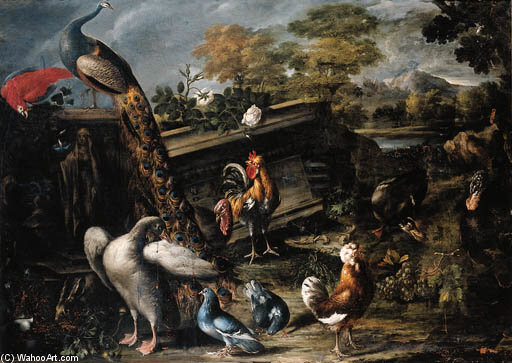
Atribuido A David De Coninck ), (antwerp Brussels), Circle Of David De Coninck ), ad Birds and Game with Gun Dogs and a Little Owl, Still life with fighting cat and parrot, River Scene with Ducks and Geese Being Attacked, A peacock, turkey, rabbits, and cockerel in a landscape, Poultry and Cat, Ostentatious still life with dog and parrot și Animals in a Garden. Clasamentul de mai sus indică anul și muzeul pentru fiecare piesă.

Câte lucrări a creat David De Coninck?Află răspunsul

Catalogul nostru cuprinde 18 lucrări ale lui David De Coninck, datate între 1699 și 1701.

Unde sunt expuse cele mai celebrele opere originale ale lui David De Coninck?Află răspunsul

În principal în National Gallery (Londra), Musée d'Arts de Nantes (Nantes) și Muzeul Național din Varșovia (Varșovia). Tabelul cu muzee de mai sus le enumeră pe toate.

Care sunt cele mai vechi și cele mai recente opere celebre ale lui David De Coninck?Află răspunsul

Pe această pagină, cea mai veche lucrare datează din (antwerp Brussels) (1699), iar cea mai recentă este din Circle Of David De Coninck ) (1701).

La ce subiecte s-a întors cel mai des David De Coninck?Află răspunsul

Animals (3), Birds (2) și Cats (2), din cele 17 lucrări de pe această pagină.

Cu ce mișcare este asociat(ă) David De Coninck?Află răspunsul

Baroque, judecând după originalele de pe această pagină.

David De Coninck: artistul

David de Coninck: A Flemish Baroque Visionary

David de Coninck (1636-1699), born in Antwerp, Belgium, stands as a pivotal figure within the flourishing Baroque artistic landscape of 17th-century Flanders. Though biographical details remain somewhat sparse – largely due to the era’s penchant for prioritizing artistic output over personal narratives – his legacy endures through an impressive oeuvre characterized by dramatic animal hunting scenes and exquisitely rendered still lifes that capture the grandeur and complexity of the period. His work exemplifies the Baroque aesthetic's obsession with dynamism, emotion, and meticulous observation of nature, cementing his place among the most celebrated artists of his time.
  • Early Life & Training: De Coninck’s formative years were spent in Antwerp, a city renowned for its artistic patronage during the Habsburg reign. Precise information regarding his formal training is elusive, but it's believed he honed his skills under the tutelage of Peter Paul Rubens, arguably the most influential painter of the Baroque era – a connection that undoubtedly shaped his stylistic sensibilities and instilled within him a profound appreciation for monumental composition and vibrant color palettes.
  • Style & Technique: De Coninck’s artistic style is instantly recognizable by its masterful execution and unwavering commitment to Baroque principles. He employed a technique known as chiaroscuro—the dramatic interplay of light and shadow—to sculpt forms with breathtaking realism, creating scenes brimming with palpable energy and conveying profound psychological depth. His brushstrokes were deliberate and confident, layering pigments with painstaking accuracy to achieve textures that mirrored the surfaces he depicted.
  • Notable Works: Among his most celebrated paintings are “Still Life with Fighting Cat and Parrot,” a captivating depiction of animal behavior imbued with symbolic significance—the parrot representing wisdom and erudition, while the cat embodies cunning and vigilance. Similarly impressive is "Atribuido A David De Coninck," showcasing an opulent arrangement of fruits, flowers, and architectural elements that exemplify the Baroque fascination for illusionistic perspective and decorative richness.
  • Influence & Legacy: De Coninck’s influence extended beyond his own lifetime, impacting subsequent generations of Flemish artists. His meticulous observation of nature and masterful use of chiaroscuro served as inspiration for painters like Johann Georg Schäffer and Jacob Savery, establishing him as a cornerstone of Baroque artistic tradition.
  • Historical Significance: David de Coninck’s contribution to the Baroque canon is undeniable. He embodies the spirit of his era—a period marked by intellectual curiosity, religious fervor, and an unprecedented surge in artistic creativity. His paintings continue to resonate with audiences today, offering a glimpse into the visual culture of Antwerp during its golden age and demonstrating the enduring power of art to convey emotion and illuminate human experience.

Further Exploration

For deeper insights into David de Coninck’s artistic achievements and broader context within Baroque art history, consider visiting Bibliothèque de l'Institut de France, where you can discover rare books and manuscripts related to Flemish painting. Alternatively, explore online resources dedicated to David de Coninck’s work at david de koninck.