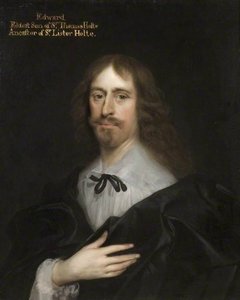
O viață care a unit două lumi: Cornelis Janssens van Ceulen
Născut în Londra în 1593, dintr-o familie de părinți olandezi sau flamzi care căutau refugiu în urma persecuțiilor religioase, Cornelis Janssens van Ceulen — cunoscut și sub numele de Cornelius Johnson — întruchipează intersecția fascinantă de culturi care a definit începutul secolului al XVII-lea. Tatăl său, Cornelis Janssens, fugise de la Anvers, un oraș atunci aflat în mijlocul unor conflicte violente, căutând adăpost în comunitatea nederlandeză în plină expansiune din Londra, concentrată în jurul bisericii olandeze Austin Friars. Această educație i-a insuflat tânărului Cornelis o perspectivă unică, una care avea să îi modeleze profund viziunea artistică și cariera. Deși detaliile primei sale forme de instruire rămân parțial misterioase, se crede pe larg că a primit pregătirea fundamentală în Țările de Jos, posibil sub îndrumarea lui Michiel Jansz. van Mierevelt. Această perioadă i-a expus probabil la nuanțele stilistice ale picturii olandeze, influențe care vor pătrunde subtil în lucrările sale ulterioare, chiar și atunci când s-a impus în peisajul artistic englezesc. Semințele unei sensibilități cosmopolite au fost semănate încă din tinerețe, pregătindu-l pentru o viață trăită între națiuni și tradiții artistice diferite.Consolidarea unei reputații: Portretul în Anglia jacobină și caroliniană
În jurul anului 1618, Cornelis Janssrens van Ceulen se consacrase deja ca pictor de portrete în Londra. El a câștigat rapid recunoaștere pentru capacitatea sa de a surprinde asemănările nobilimii engleze emergente cu o precizie și un detaliu remarcabile. Primele sale portrete sunt deosebit de notabile prin utilizarea unor cadre ovale „fictive” — un procedeu stilistic la modă în acea epocă, care adăuga un aer de sofisticare și eleganță compozițiilor sale. Acestea nu erau simple elemente decorative; ele aveau rolul de a concentra atenția asupra celui încadrat, sporindu-i prezența și statutul în cadrul operei de artă. Clientela lui Johnson s-a extins rapid, cuprinzând membri ai aristocrației și figuri proeminente ale societății. El a pictat portrete ale lui Carol I, Carol al II-lea și James al II-lea în perioada copilăriei, obținând comenzi direct de la familia regală — o dovadă incontestabilă a renumele său crescut. Dincolo de realeza britanică, el a imortalizat figuri precum William Harvey, medicul celebru al cărui studiu revoluționar asupra circulației sanguine a transformat medicina, sau Lucius Carey, al 2-lea vizcount Falkland, un intelectual și om de stat apreciat. Portretele sale nu erau simple reprezentări ale aspectului fizic; erau studii profunde de caracter, oferind priviri intime asupra personalității și statutului social al modelelor sale. O marcă distinctivă a muncii lui Johnson era atenția meticuloasă la detalii, în special în reprezentarea vestimentelor și accesoriilor — elemente care serveau drept indicatori puternici ai bogăției, statutului și gustului din acea perioază.Un stil definit de adaptare și detaliu
Stilul artistic al lui Johnson nu a fost unul static; acesta a evoluat constant, demonstrând o capacitate uimitoare de a absorbi noi influențe, păstrându-și în același timp o voce artistică distinctă. Primele sale lucrări reflectă clar impactul pictorilor olandezi, în special prin paletele de culori restrânse și accentul pus pe realism. Totuși, el s-a adaptat cu măiestrie gusturilor predominante din Anglia, integrând elemente ale portretului elizabetan și jacobinian în compozițiile sale. Această dorință de a îmbrățișa schimbarea i-a permis să rămână în avangarda inovației artistice pe parcursul întregii cariere. A fost un maestru al texturii și al detaliului de suprafață, redând țesăturile cu o acuratețe uimitoare și capturând nuanțele subtile ale luminii și umbrei. Portretele sale posedă un sentiment remarcabil de imediatitate, de parcă modelele ar fi pe punctul de a păși din pânză pentru a intra într-o conversație. Probabil cel mai remarcabil pentru epoca sa, Johnson și-a semnat și a dat constant data lucrărilor sale — o practică relativ neobișnuiască printre artiștii de atunci. Această evidență meticuloasă nu doar că îi afirma autorat, dar oferea și perspective valoroase asupra cronologiei întregii sale opere.De la Londra la Utrecht: O viață întreruptă de război
Izbucnirea Războiului Civil Englez a fost un punct de cotitură în viața lui Cornelis Janssens van Ceulen. Înfruntând o instabilitate politică și o agitație socială tot mai crescute, el a luat decizia dificilă de a se reloca la Middelburg, în Țările de Jos. Ulterior, a locuit în Amsterdam (1646-1652) înainte de a se stabili permanent în Utrecht, unde a rămas până la moartea sa în 1661. În ciuda acestei schimbări geografice, Johnson a continuat să picteze în mod prolific, adaptându-și stilul pentru a satisface gusturile noilor săi patroni. Portretele sale din această perioadă prezintă adesea o accentuare mai mare a profunzimii psihologice și a expresiei emoționale. Deși nu mai se afla în centrul lumii de artă englezească, el a rămas conectat la aceasta prin comenzi continue și corespondență. Opera sa oferă perspective inestimabile asupra peisajului social și cultural al Angliei secolului al XVII-lea — o perioadă de transformări profunde și convulsii istorice. Deși a fost adesea umbrit de contemporani mai celebrați, precum Anthony van Dyck, Johnson a fost o figură semnificativă în portretul englezesc, lăsând în urmă un moștenire de portrete detaliate, profunde și frumos executate, care continuă să fascineze publicul și astăzi. El rămâne o dovadă a puterii arte de a transcende granițele politice și diviziunile culturale, oferind o privire asupra vieților și timpurilor celor care au modelat o eră crucială a istoriei.Întrebări și răspunsuri
Câte opere de artă ale lui Cornelis Janssens van Ceulen pot fi vizualizate?
Puteți vizualiza 81 opere de artă de opere ale lui Cornelis Janssens van Ceulen pe pagina Toate operele de artă.
Unde pot fi găsite operele lui Cornelis Janssens van Ceulen, organizate pe subiecte?
Atlas pe subiecte lui Cornelis Janssens van Ceulen este o pagină care organizează operele de artă ale artistului în funcție de subiectele acestora.
Pot sorta operele lui Cornelis Janssens van Ceulen după culoare?
Pagina Indice Spectral organizează operele lui Cornelis Janssens van Ceulen pe culori.