Pe scurt
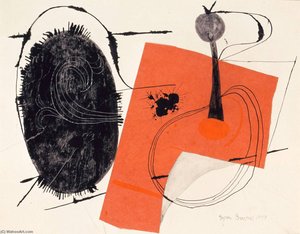
Dintre toate originalele lăsate de Byron Browne, cea mai faimoasă este Abstract Collage (1933). Imediat după acestea urmează Untitled, from the portfolio American Abstract Artists (1937) și Head (1938). Catalogul nostru cuprinde 11 lucrări ale lui Byron Browne; galeria a păstrat cele 9 pe care lumea le admiră cel mai mult, fiecare fiind prezentată împreună cu data, muzeul și povestea sa.
Cele mai importante 10 picturi ale lui Byron Browne: selecția galeriei
Muzeele care păstrează originalele lui Byron Browne
Muzeul care deține cele mai multe dintre picturile prezentate pe această pagină.
| Muzee | Oraș | Lucrări lui Byron Browne | Picturi din această listă |
|---|---|---|---|
| Dublin | 1 | Head |
Byron Browne deceniu cu deceniu: originalul care definește fiecare
Lucrări pe deceniu
Alege o deceniu pentru a descoperi opera originală care îl definește.
Întrebări ale colecționarilor despre picturile lui Byron Browne
Pentru ce operă este cel mai cunoscut Byron Browne?Află răspunsul
Abstract Collage (1933). Urmează Untitled, from the portfolio American Abstract Artists (1937) și Head (1938).
Ce vârstă avea Byron Browne când a fost creată Abstract Collage?Află răspunsul
26 ani: Abstract Collage datează din 1933, iar Byron Browne s-a născut în 1907.
Câte picturi a lăsat Byron Browne?Află răspunsul
Catalogul nostru cuprinde 11 lucrări ale lui Byron Browne, datate între 1933 și 1958.
În ce muzee sunt expuse capodoperele lui Byron Browne?Află răspunsul
În principal în National Gallery of Ireland (Dublin). Tabelul cu muzee de mai sus le enumeră pe toate.
În ce ani a pictat Byron Browne cele mai cunoscute opere?Află răspunsul
În 1930s: 3 dintre cele 9 lucrări de pe această pagină au fost realizate atunci, fiind Abstract Collage dintre acestea.
Care sunt prima și ultima pictură originală celebră a lui Byron Browne?Află răspunsul
Pe această pagină, cea mai veche lucrare datează din Abstract Collage (1933), iar cea mai recentă este din (Seated Nude) (1958).
Byron Browne: viață și operă
Byron Browne: Pioneer of American Abstract Art
Byron Browne (1907 – 1961) stands as a cornerstone figure in the burgeoning field of American Abstract Expressionism, recognized primarily for his contributions to mural commissions and collaborations with Hans Hofmann. Born in London, England, Browne’s artistic journey began amidst the vibrant Pre-Raphaelite movement, profoundly shaping his aesthetic sensibilities before he embraced the radical experimentation of postwar abstraction. His formative years were marked by exposure to influential artists like Ford Madox Brown, whose visionary approach to Victorian social commentary instilled a deep appreciation for conveying complex ideas through visual language.- Early Influences: Browne’s initial artistic explorations centered around landscapes and portraits, reflecting the stylistic conventions of his time. However, he quickly gravitated toward Hofmann's teachings at Provincetown Art Colony, where he honed his skills in color theory and compositional techniques – principles that would become integral to his distinctive style.
- Provincetown Collaboration: Browne’s partnership with Hofmann proved pivotal in establishing him as a leader within the American Abstract Artists Group (AAA). Together, they tackled ambitious mural projects for public spaces across the United States, notably the “Massachusetts State House Mural” and “The Metropolitan Opera House Mural,” demonstrating a commitment to large-scale artistic endeavors that pushed boundaries of expression.
- Distinctive Style: Browne’s paintings are characterized by layered textures, bold color palettes—often dominated by rosy hues reminiscent of Hofmann's favored shades—and dynamic brushstrokes. He skillfully blended elements of Surrealism and Cubism, creating compositions that evoke emotional resonance while simultaneously engaging with geometric forms.
- Notable Works: Among his celebrated paintings are “Jester,” a captivating depiction of expressive gesture and color harmony; “Abstract Collage,” showcasing meticulous layering and textural interplay; and “Rosy Brown Hues,” which exemplifies Browne’s masterful manipulation of chromatic hues to convey mood and atmosphere. These pieces continue to inspire admiration for their artistic innovation and enduring beauty.


