

1


Actualizat Noiembrie 2026 · clasat în funcție de scorul nostru de popularitate (căutări, vizite și comenzi pentru fiecare operă) · 35 lucrări ale lui Arnold Mason în catalogul nostru
Pe scurt
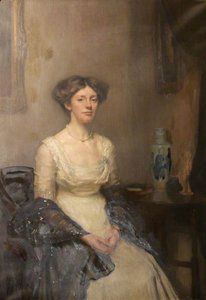
Thomas William Dampier Bide (1844–1916) (1909) este pictura lui Arnold Mason care atrage cele mai multe priviri; originalul aparține Museum of South Somerset, Yeovil. După aceasta, privirea se îndreaptă către John Parkinson (1947) și Olive Mary Wolryche Whitmore (1879–1951), Mrs Eustace Scott Hamilton Russell (1900). Dintre cele 35 opere ale lui Arnold Mason din catalogul nostru, acestea 34 sunt cele mai celebre, fiecare fiind o piesă unică, prezentată împreună cu anul creării, muzeul deținător și motivul pentru care aceasta rămâne memorabilă.

The John Parkinson painting by Arnold Mason is a stunning oil on canvas artwork that showcases the artist's exceptional skill in capturing the essence of his subject. Created in 1947, this painting measures 210 x 124 cm and is currently located at the Gravesham Borough Council in Gravesend, United Kingdom. The Artist and His Work Arnold Mason was a talented artist known for his attention to detail and ability to…


 Girl with a Hand Mirror1929
12
 Job Nixon (1891–1938)1932
13
 Portrait of a Woman1931 · The Resource Centre
14
 Red Ships at La Rochelle, France1930 · Alfred East Art Gallery
15
 Seated Nude1937
16
 Portrait of a Young Woman1934
17
 Alderman W. E. Thomas, Mayor of Gravesend (1921 1922)1941 · Gravesham Borough Council
18
 Elinor Glyn, née Sutherland1942
19
 Lady Eleanor Joan Clara Nathan (1892–1972)1948 · Guildhall Art Gallery
20
 Robert Palmer, VC1948 · Gravesham Borough Council
21Alderman J. Tennant1947 · The Hepworth Wakefield
22
 Gerald Harry Beloe, Master (1922), Treasurer (1932–1944)1944 · Merchants Hall
23
 Sir Henry Upcher (1870–1954), Chairman of Norfolk County Council (1941–1950)1950
24
 Brown Study1949
25
 Llanbedr, near Conway
26
 Miss ColeSalford Museum - Art Gallery
27
 Indian GirlAlfred East Art Gallery
28
 Port Scene
29
 Flower Piece
30
 River Scene
31
 The HousekeeperSalford Museum - Art Gallery
32
 BargesThe Brewhouse Arts Centre
33
 River Scene with a Bridge
34
 The Reverend Canon Frederick Llewellyn Hughes, CB, CBE, MC, TD, MA, KHC, Chaplain General to the King (1944–1951)
Cele patru teme care revin cel mai des în aceste opere originale, fiecare având cel mai sublim exemplu.
Cele 8 muzee care dețin cele mai multe dintre picturile de pe această pagină.
| Muzee | Oraș | Lucrări lui Arnold Mason | Picturi din această listă |
|---|---|---|---|
 Museum of South Somerset |
Yeovil | 3 | Thomas William Dampier Bide (1844–1916), Mary Anne Whetham, née Dampier (b.1843), Elizabeth Dampier Bide (1838–1915) |
 Gravesham Borough Council |
Greenwich | 3 | John Parkinson, Alderman W. E. Thomas, Mayor of Gravesend (1921 1922), Robert Palmer, VC |
 Alfred East Art Gallery |
Kettering | 2 | Red Ships at La Rochelle, France, Indian Girl |
 Salford Museum - Art Gallery |
Greater Manchester | 2 | Miss Cole, The Housekeeper |
 The Resource Centre |
Newark | 1 | Portrait of a Woman |
 Guildhall Art Gallery |
Londra | 1 | Lady Eleanor Joan Clara Nathan (1892–1972) |
 The Hepworth Wakefield |
Wakefield | 1 | Alderman J. Tennant |
 Merchants Hall |
Bristol | 1 | Gerald Harry Beloe, Master (1922), Treasurer (1932–1944) |
Alege o deceniu pentru a descoperi opera originală care îl definește.

The John Parkinson painting by Arnold Mason is a stunning oil on canvas artwork that showcases the artist's exceptional skill in capturing the essence of his subject. Created in 1947, this painting measures 210 x 124 cm and is currently located at the Gravesham Borough Council in Gravesend, United Kingdom. The Artist and His Work Arnold Mason was a talented artist known for his attention to detail and ability to…

Thomas William Dampier Bide (1844–1916) (1909), Museum of South Somerset, Yeovil. Urmează John Parkinson (1947) și Olive Mary Wolryche Whitmore (1879–1951), Mrs Eustace Scott Hamilton Russell (1900).
24 ani: Thomas William Dampier Bide (1844–1916) datează din 1909, iar Arnold Mason s-a născut în 1885.
Thomas William Dampier Bide (1844–1916), John Parkinson, Olive Mary Wolryche Whitmore (1879–1951), Mrs Eustace Scott Hamilton Russell, Head of a Girl, Ibiza, Balearics, Lord Granville West (1904–1984), Head of a Child, Mary Anne Whetham, née Dampier (b.1843), Elizabeth Dampier Bide (1838–1915) și Quai Du Port, Martigues, France. Clasamentul de mai sus indică anul și muzeul pentru fiecare piesă.
Catalogul nostru cuprinde 35 lucrări ale lui Arnold Mason, datate între 1900 și 1950.
În principal în Museum of South Somerset (Yeovil), Gravesham Borough Council (Greenwich) și Alfred East Art Gallery (Kettering). Tabelul cu muzee de mai sus le enumeră pe toate.
În 1940s: 8 dintre cele 34 lucrări de pe această pagină au fost realizate atunci, fiind John Parkinson dintre acestea.
Pe această pagină, cea mai veche lucrare datează din Olive Mary Wolryche Whitmore (1879–1951), Mrs Eustace Scott Hamilton Russell (1900), iar cea mai recentă este din Sir Henry Upcher (1870–1954), Chairman of Norfolk County Council (1941–1950) (1950).
Portrait (2) și Formal (2), din cele 34 lucrări de pe această pagină.
Thomas William Dampier Bide (1844–1916), Mary Anne Whetham, née Dampier (b.1843) și Elizabeth Dampier Bide (1838–1915): Museum of South Somerset, Yeovil deține 3 dintre lucrările de pe această pagină.