


1


Actualizat Noiembrie 2026 · clasat în funcție de scorul nostru de popularitate (căutări, vizite și comenzi pentru fiecare operă) · 10 lucrări ale lui Abraham Susenier în catalogul nostru
Pe scurt
Vanitas Still Life with a Portrait of Rembrandt, a Sculpture, a Skull, Feathers, an Overturned Roemer and a Portfolio of Drawings (1650) este pictura lui Abraham Susenier care atrage cele mai multe priviri; originalul aparține Agnes Etherington Art Center, Kingston. După aceasta, privirea se îndreaptă către Still Life with Various Exotic Shells and Coral (1659) și Still life with crayfish on a pewter plate, roemer, wine glass, kraak porcelain and rose (1660). Dintre cele 10 opere ale lui Abraham Susenier din catalogul nostru, acestea 10 sunt cele mai celebre, fiecare fiind o piesă unică, prezentată împreună cu anul creării, muzeul deținător și motivul pentru care aceasta rămâne memorabilă.


Cele 8 muzee care dețin cele mai multe dintre picturile de pe această pagină.
| Muzee | Oraș | Lucrări lui Abraham Susenier | Picturi din această listă |
|---|---|---|---|
 Kunsthandel P. de Boer |
2 | Still life with crayfish on a pewter plate, roemer, wine glass, kraak porcelain and rose, Still life with crayfish on a pewter plate, roemer, bread, shells, and oranges | |
 Agnes Etherington Art Center |
Kingston | 1 | Vanitas Still Life with a Portrait of Rembrandt, a Sculpture, a Skull, Feathers, an Overturned Roemer and a Portfolio of Drawings |
 Dordrechts Museum |
Dordrecht | 1 | Still Life with Various Exotic Shells and Coral |
 Gemäldegalerie |
Gotha | 1 | Vanitas still life with globe, books and skull |
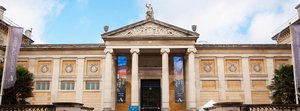 Ashmolean Museum |
Oxford | 1 | Still Life with Oysters |
 Fitzwilliam Museum |
1 | A sea-scene | |
 Museum of Fine Arts Ghent (MSK) |
Ghent | 1 | Still life with lemon, grapes and a roemer |
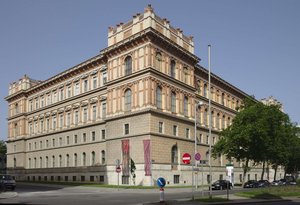 Academy of Fine Arts Vienna |
Viena | 1 | Still life with roemer and fruit |
O carieră de 16 ani, de la 1650 la 1665: cele mai faimoase originale ale lui Abraham Susenier, prezentate an de an.
Alege un an pentru a vedea originalele acestuia.
Vanitas Still Life with a Portrait of Rembrandt, a Sculpture, a Skull, Feathers, an Overturned Roemer and a Portfolio of Drawings (1650), Agnes Etherington Art Center, Kingston. Urmează Still Life with Various Exotic Shells and Coral (1659) și Still life with crayfish on a pewter plate, roemer, wine glass, kraak porcelain and rose (1660).
30 ani: Vanitas Still Life with a Portrait of Rembrandt, a Sculpture, a Skull, Feathers, an Overturned Roemer and a Portfolio of Drawings datează din 1650, iar Abraham Susenier s-a născut în 1620.
Vanitas Still Life with a Portrait of Rembrandt, a Sculpture, a Skull, Feathers, an Overturned Roemer and a Portfolio of Drawings, Still Life with Various Exotic Shells and Coral, Still life with crayfish on a pewter plate, roemer, wine glass, kraak porcelain and rose, Vanitas still life with globe, books and skull, Still Life with Oysters, Still life with crayfish on a pewter plate, roemer, bread, shells, and oranges, A sea-scene, Still life with lemon, grapes and a roemer, Still life with roemer and fruit și Still life with a stoneware jug. Clasamentul de mai sus indică anul și muzeul pentru fiecare piesă.
Catalogul nostru cuprinde 10 lucrări ale lui Abraham Susenier, datate între 1650 și 1665.
În principal în Kunsthandel P. de Boer, Agnes Etherington Art Center (Kingston) și Dordrechts Museum (Dordrecht). Tabelul cu muzee de mai sus le enumeră pe toate.
Pe această pagină, cea mai veche lucrare datează din Vanitas Still Life with a Portrait of Rembrandt, a Sculpture, a Skull, Feathers, an Overturned Roemer and a Portfolio of Drawings (1650), iar cea mai recentă este din Still Life with Oysters (1665).
Still life with crayfish on a pewter plate, roemer, wine glass, kraak porcelain and rose și Still life with crayfish on a pewter plate, roemer, bread, shells, and oranges: Kunsthandel P. de Boer deține 2 dintre lucrările de pe această pagină.
In the grand, luminous tapestry of the Dutch Golden Age, certain names shine with an unmistakable brilliance, while others linger in the shadows, waiting for the light of modern scholarship to reveal their true splendor. Abraham Susenier is a figure who has long inhabited this twilight, a painter whose identity was obscured by the very mastery of his hand. For centuries, the monogram "AB S" found upon his exquisite canvases led art historians to mistake his work for that of more famous contemporaries, such as Abraham Steenwyck or Abraham van Belevier. It is only through recent, meticulous reattribution that Susenier has begun to emerge from the veil of anonymity, reclaiming his rightful place in the pantheon of 17th-century Dutch masters.
Born around 1620 in the scholarly and vibrant city of Leiden, Susenier’s early life coincided with a period of unprecedented artistic flourishing in the Netherlands. This was an era where the focus of art shifted from the divine narratives of the past toward the intimate, tactile realities of the present. By 1646, Susenier had established himself within the prestigious Dordrecht Guild of Saint Luke, joining a cohort of talented peers who would define the aesthetic of the age. His training and early career were steeped in the traditions of the Dutch Republic, a nation then at the height of its global influence, where trade brought exotic goods, fine metals, and a new sense of prosperity to the merchant classes.
Susenier’s artistic soul was most profoundly expressed through the genre of still life, a medium that allowed him to explore the profound interplay between light, shadow, and substance. He possessed an extraordinary, almost supernatural ability to render the cold, reflective surfaces of silverwork—a skill that earned him high praise from contemporary chroniclers like Houbraken. To look upon a Susenier composition is to experience a sensory feast; one can almost feel the weight of a polished chalice or the chilling smoothness of a pewter plate. His brushwork captured not just the appearance of objects, but their very essence, translating the hard edges of metal and the delicate translucency of glass into a language of pure visual emotion.
Beyond the metallic, his repertoire extended to the organic and the ephemeral. He was a master of the pronkstilleven, or ostentatious still life, where luxury items were arranged in dramatic, often symbolic configurations. His works frequently featured:
One of his most celebrated surviving works, Still Life with a Lobster, Römer, Oysters, Grapes, and a Knife, serves as a testament to his technical bravado. In this piece, the bold use of red—a pigment that was notoriously expensive during the 17th century—acts as a visual declaration of status, signaling to the viewer that the patron of such a work possessed significant financial security and refined taste.
The historical significance of Abraham Susenier lies not only in his technical virtuosity but in his role as a representative of the Dutch middle class's evolving aesthetic. As the Netherlands moved away from religious iconography, artists like Susenier provided the visual vocabulary for a new, secular world. His ability to elevate everyday objects—a knife, a piece of fruit, a silver vessel—to the level of high art mirrored the rising importance of domesticity and material achievement in Dutch society.
Though his life ended around 1666/72 in Dordrecht, leaving behind a legacy that was nearly lost to history due to mistaken identity, the recovery of his oeuvre is a triumph for art history. Today, we recognize Susenier not merely as a follower of greater names, but as a singular talent whose meticulous attention to detail and profound understanding of light helped define the very heart of the Dutch Golden Age. His paintings remain enduring windows into a world of tactile beauty, reminding us of a time when the smallest reflection on a silver surface could capture the grandeur of an entire era.