Defining Symbolism: Moving Beyond Realism to Evoke Emotion
 Beyond Reality: A Definitive Guide to the Dreamlike World of Symbolist Painting
The Rejection of Realism: Defining the Symbolist Manifesto Symbolism - The Metropolitan Museum of Art --- title: Symbolism - The Metropolitan Museum of Art author: Nicole Myers url: https://www.metmuseum.org/essays/symbolism hostname: metmuseum.org d...
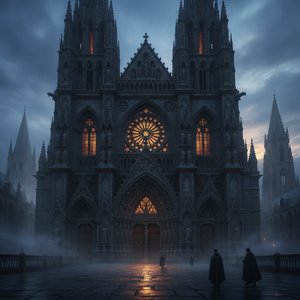
To understand the profound impact of Symbolism on modern interior aesthetics, one must first recognize it as a deliberate rebellion against the visible world. Emerging in the late 19th century, this movement arrived as a soulful departure from the era's prevailing winds of Impressionism and Naturalism. While the Impressionists were masterfully chasing the fleeting shimmer of sunlight upon a pond, and the Realists sought to document the objective, quasi-scientific reality of the human condition, the Symbolists turned their gaze inward. They believed that art should not merely be a mirror to the external world but a vessel for the unseen currents of the human psyche. For the discerning designer, this represents a shift from decoration to storytelling; it is an invitation to move past the literal and embrace a realm where shadows possess weight and silence speaks in metaphors.
The movement found its intellectual heartbeat in the literary circles of France, gaining momentum through the conviction that reality is best expressed through suggestion rather than direct naming. This rejection of materialism allowed artists to prioritize subjective experience and emotional resonance over mere replication. By choosing Symbolism, a designer is not simply selecting a style but adopting a philosophy of depth. It is about creating spaces that do not just occupy a room but evoke a mood, providing guests with a threshold through which they can leave the tangible certainties of the material world for a more contemplative, dreamlike existence.
The Visual Language of the Subconscious: Key Motifs and Metaphors
 Pegasus and the Hydra
The painting Pegasus and the Hydra by Odilon Redon is a thought-provoking work of art that showcases the artist's unique style and symbolism. Created in 1907, this piece is a prime example of Symbolism , a movement that emphasized the use of symbols ...
The power of Symbolist painting lies in its ability to use recognizable imagery as a gateway to abstract truths. Within this movement, every figure and object serves as a metaphor for deeper psychological states. Consider the works of Odilon Redon, where mythical creatures like Pegasus and the Hydra are not merely mythological references but symbols of the tension between higher aspirations and primal instincts. In such pieces, the composition itself becomes a dynamic experience, using bold lines and vibrant colors to draw the viewer into a state of thought-provoking wonder. This use of mythic grandeur allows for a layered narrative within a single canvas, rewarding repeated viewing with newly discovered meanings.
Similarly, the works of Gustave Moreau offer an opulent landscape of biblical allegory and classical mythology. His canvases are often teeming with fantastical creatures and psychologically charged figures that transform historical narratives into mesmerizing enigmas. For a professional decorator, these motifs provide a rich vocabulary for thematic design. Whether it is the use of floral crowns to represent serene contemplation or the presence of serpent-like monsters to evoke underlying tension, Symbolist motifs allow for the creation of bespoke environments that resonate with mystery and intellectual intrigue. The movement teaches us that through the strategic use of symbols, an interior can communicate complex narratives without uttering a single word.
Mastering the Atmosphere: Light, Shadow, and Ethereal Textures in Symbolist Works
 Ethereal Artistry: Capturing the Dreamlike Essence of Light and Spirit in Masterful Symbolism
The Luminous Veil: Defining Etherealism in Classical Art To encounter ethereal art is to step beyond the threshold of the tangible world and enter a realm where the boundaries between reality and reverie dissolve. This particular aesthetic, often des...
Achieving the "ethereal" quality characteristic of Symbolism requires a sophisticated understanding of light and texture. In the finest Symbolist works, light does not merely fall upon a subject from an external source; rather, it appears to emanate from within the canvas itself. This creates what is often described as a luminous veil, a delicate manipulation of light that evokes an atmosphere of reverence and mystery. This technique, often involving the layering of thin glazes of color, achieves a remarkable degree of atmospheric depth and luminosity, capturing the very essence of a dreamscape.
Texture plays an equally vital role in establishing this sense of presence. The movement often utilizes a blend of meticulous observation and imaginative embellishment. In some instances, we see the heavy, tactile weight of shadows that feel almost physical, while in others, the surface shimmer suggests a world in flux. For those managing large-scale art procurement, understanding these technical nuances is essential when selecting reproductions. A high-quality oil reproduction, with its visible brushstrokes and deeper tonal range, can replicate this "impasto" effect far more effectively than a flat print, providing the tactile depth necessary to anchor a room's atmosphere and prevent it from feeling visually hollow.
Integrating Symbolism into Hospitality Design: Creating Immersive Guest Experiences
 Musée national Gustave Moreau
A Sanctuary of Symbolism: The Visionary World of Gustave Moreau To step across the threshold of the Musée national Gustave Moreau is to leave the bustling streets of Paris behind and enter a realm where the boundaries between reality and dream dissol...
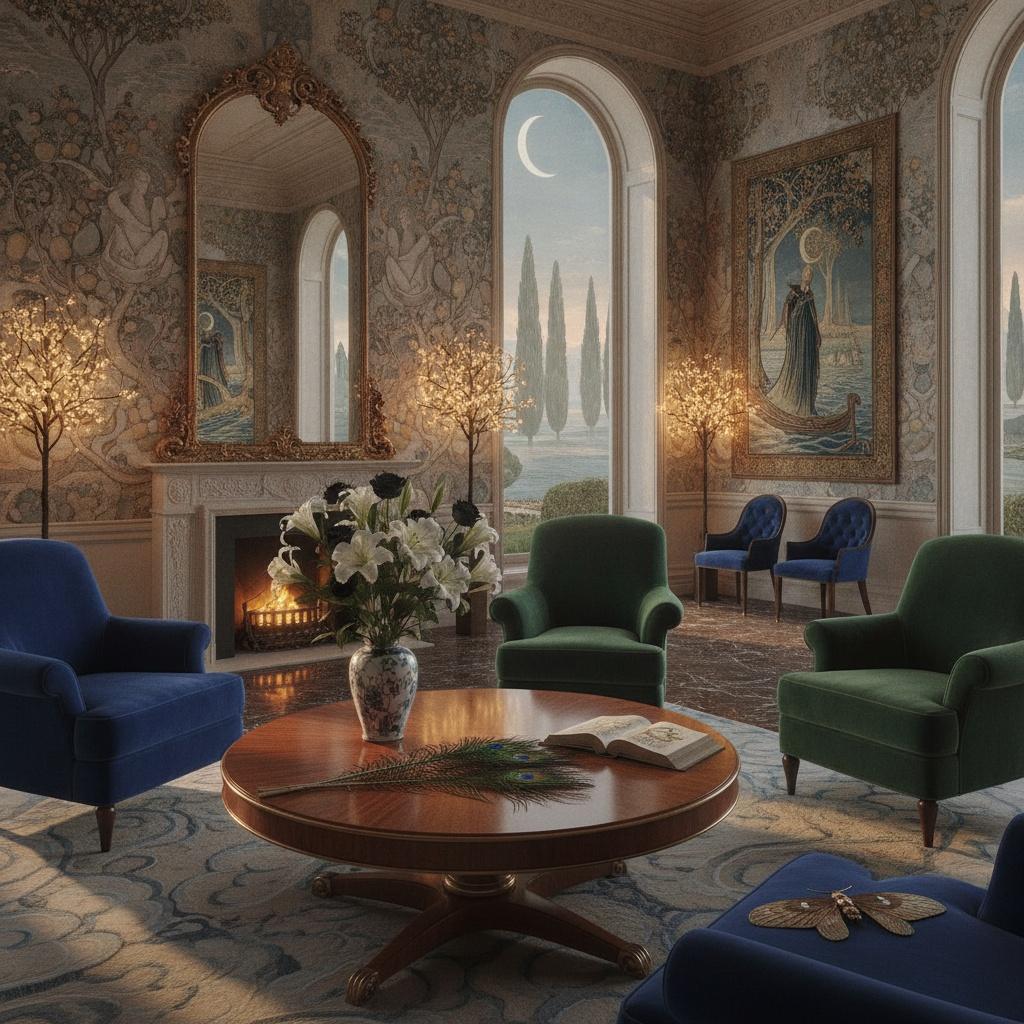
For the hotel designer, the application of Symbolist principles offers a unique opportunity to elevate the guest experience from simple accommodation to immersive journey. The goal is to create "zones" of emotion within a property. A lobby might utilize larger-scale, more dramatic works reminiscent of Moreau to establish a sense of grandeur and historical weight, while a quiet lounge or library could feature the softer, more contemplative floral motifs of Redon to encourage relaxation and introspection. By treating art as an architectural element that shapes the psychological boundaries of a space, designers can guide the emotional flow of a building.
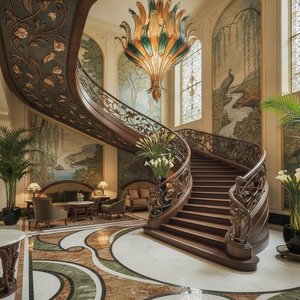
This integration requires careful consideration of color palettes and spatial scale. Symbolism allows for "period shifts" in design, where modern luxury is blended with the dark, dreamy vibes of the late 19th century. Using multi-panel or split-image layouts can also help bridge the gap between traditional painting and contemporary architecture, allowing a single, powerful Symbolist image to span a wide feature wall or a grand staircase. When executed correctly, the art becomes part of the building's soul, providing guests with an environment that feels curated, profound, and deeply personal.
Curating a Collection: Selecting Symbolist Reproductions for Large-Scale Projects
 Musee Gustave Moreau
A Sanctuary of Symbolism: Entering Gustave Moreau’s World Stepping into the Musée national Gustave Moreau is unlike entering any other art institution in Paris. It isn't a grand palace repurposed for artistic display, but rather the preserved home an...
Curating for large-scale hospitality or corporate projects demands both aesthetic vision and operational efficiency. When sourcing Symbolist reproductions, the focus must remain on authenticity of style and durability of medium. For procurement managers, the challenge is to find works that offer the "Master" level of craftsmanship—specifically hand-painted oil reproductions on cotton canvas. These pieces provide the necessary texture and color depth to stand up to the scrutiny of high-end lighting and large-scale viewing distances, ensuring that the "soul" of the movement is not lost in translation.
Efficiency in procurement also involves managing logistics such as sizing, framing, and delivery timelines. A professional approach involves utilizing services that offer customization, such as the ability to adjust colors to match a specific interior palette or to create custom-sized murals for expansive ceilings. Whether you are selecting from existing stock or commissioning bespoke pieces through a Project Coordinator, the priority is reliability. By choosing high-quality reproductions that feature archival-grade materials and professional framing, designers can ensure that their chosen Symbolist masterpieces remain vibrant and structurally sound for generations, much like the very history they seek to celebrate.