Vezi în context
 Trimite
 Distribuie
 Detalii
 Ghidul

 Descarcă
 Produse similare
 Radiografie
 Diaporama
 Statistici
Prin stânci


 Citește mai mult
Reproducere pictată manual în ulei
Pictură în ulei pe pânză, realizată manual de artiștii noștri la dimensiunea și ramele dorite de dumneavoastră, pe comandă. ( Comută pe versiunea Print Treci la imagine digitală)




P118B lei10

P118H lei10

P118W lei10

P438Z lei10

P508JH lei12

P508YH lei12

P805H lei10

P805Z lei10

P919BZ lei10

P919G lei10

P919XJ lei10

P959ZH lei10

P968JZ lei12

W106C lei8

W218G lei10

W218JH lei8

W218Y lei10

W307PJ lei10

W316G lei10

W316PJ lei8

W316Y lei10

W398PJ lei8

W4111J lei10

W500HY lei15

W500JH lei15

W692G lei12

W849H lei8

W940BG lei15

W953PJ lei8




Alegeți dintre dimensiunile noastre prestabilite, care respectă proporțiile originale ale operei de artă.

Introduceți lățimea și înălțimea de care aveți nevoie, pentru a se potrivi ramei sau peretelui dumneavoastră. Această lucrare este pictată manual, așa că pentru o dimensiune cu o formă diferită, artistul poate picta puțin mai mult în jurul imaginii sau poate tăia puțin din margini — dumneavoastră decideți. Vă vom trimite o simulare digitală pentru aprobare înainte de a începe pictarea. Imaginea afișată pe această pagină nu reprezintă rezultatul real — doar simularea este reprezentativă.
După plasarea comenzii, echipa OriginalUniqueArt.com va contacta clientul prin e-mail pentru instrucțiuni și îi va furniza o previzualizare a machetei
Livrare în întreaga lume () în 3-4 săptămâni, în loc de cele 5 săptămâni standard. (23 Octombrie). Fără compromisuri în ceea ce privește calitatea.

Livrare expres gratuită la nivel mondial

Pânză de in premium

Asigurare completă pentru transport

Garanție de rambursare a taxelor vamale

Garanția fidelității culorilor

Politica de retur în 100 de zile (doar pentru defecte)

Garanție de rambursare 100%

Reducere pentru comenzi multiple
 Opțiunea cu sticlă este disponibilă doar pentru dimensiuni de sub 110 cm

Prin stânci
Tip de reproducere
Dimensiune reproducere
-


Preț total
lei 1388
A Coastal Reverie: Winslow Homer’s “Through the Rocks”
Winslow Homer's 1883 watercolor, Through the Rocks, is a masterful depiction of the untamed beauty and formidable power of the Atlantic coastline. Housed within the esteemed collection of the Brooklyn Museum, this work transcends mere landscape painting; it’s an evocative exploration of nature’s grandeur and humanity's delicate relationship with it.Subject & Composition
The scene unfolds as a dramatic vista framed by imposing granite boulders. Homer doesn’t present a sweeping panorama but rather invites the viewer to peer *through* these natural sentinels, focusing our gaze on the turbulent sea beyond. Crashing waves dominate the composition, their frothy crests rendered with dynamic energy. A small boat, almost lost within the vastness of the ocean, provides a subtle indication of human presence – a poignant reminder of our vulnerability in the face of nature’s might. The diagonal lines created by the rocks and wave action draw the eye deep into the painting, enhancing the sense of depth and movement.Style & Technique
Through the Rocks exemplifies Homer's exceptional skill with watercolor. He moves beyond simple representation, employing loose brushstrokes and layered washes to capture the *feeling* of the scene – the spray of the waves, the rough texture of the rocks, and the diffused light filtering through the mist. This isn’t a photographically precise rendering; it’s an impressionistic interpretation that prioritizes atmosphere and emotional resonance. The limited palette—primarily blues, grays, and browns with touches of ochre—further contributes to the painting's somber yet captivating mood.Historical Context & Artistic Significance
Created during a period when American artists were striving to establish a distinct national identity, Homer’s work stands as a powerful statement about the unique beauty and ruggedness of the American landscape. He eschewed European academic traditions in favor of direct observation and an honest portrayal of nature. Through the Rocks, along with works like *Fishing the Rapids, Saguenay* and *The Turtle Pond*, demonstrates Homer’s increasing focus on marine subjects and his mastery of watercolor as a medium for capturing fleeting moments of light and atmosphere. He was instrumental in elevating watercolor from a primarily illustrative technique to a respected fine art form.Symbolism & Emotional Impact
Beyond its aesthetic appeal, Through the Rocks carries symbolic weight. The imposing rocks can be interpreted as representing resilience and endurance, while the turbulent sea embodies the unpredictable forces of nature. The small boat suggests both human ambition and fragility. The painting evokes a sense of awe, solitude, and perhaps even a touch of melancholy. It’s a work that invites contemplation on themes of power, vulnerability, and the sublime beauty of the natural world.For Collectors & Designers
Through the Rocks is more than just a beautiful image; it's an investment in American artistic heritage. A high-quality reproduction would serve as a stunning focal point in any interior, bringing a sense of tranquility and dramatic beauty to living rooms, studies, or offices. Its muted color palette lends itself well to a variety of décor styles – from coastal chic to modern minimalist. The painting’s enduring appeal lies in its ability to connect with viewers on an emotional level, offering a timeless reminder of the power and majesty of nature.- Artist: Winslow Homer
- Year: 1883
- Medium: Watercolor
- Location: Brooklyn Museum, New York
Întrebări și răspunsuri
Ce atmosferă aduce "Prin stânci" de Winslow Homer într-un interior?
Cu atmosfera sa Dramatic, „Prin stânci” este recomandată pentru o Living Room.
Sub ce alte nume este cunoscut/ă Winslow Homer?
Alte nume înregistrate pentru Winslow Homer, creatorul operei „Prin stânci”, includ Niciunul alt nume cunoscut.
Care sunt data și stilul pentru "Prin stânci" de Winslow Homer?
„Prin stânci” a fost creat în 1883, în cadrul mișcării Impresionism american.
Biografie artist
A Brush with the American Spirit: The Life and Art of Winslow Homer
Winslow Homer, born in Boston in 1836, wasn’t sculpted by the traditional European art academies that shaped so many of his contemporaries. Instead, he emerged from a distinctly American experience, one rooted in practicality and observation. His journey began not with grand historical canvases, but as a commercial illustrator at the tender age of twelve for Harper's Weekly. This early apprenticeship was formative, honing an exceptional ability to capture scenes with clarity and detail – skills that would become hallmarks of his mature work. He wasn’t learning perspective in Paris; he was learning to *see* America, its people, and its unfolding story. The bustling streets of Boston, the quiet dignity of rural New England life, these were his first subjects, rendered with a precision born of necessity for the demands of print media. This foundation allowed him to transition into painting, initially in watercolor, before fully embracing the expressive potential of oil paints.From Pastoral Scenes to the Raw Power of Nature
Homer’s early paintings often depicted idyllic scenes – children playing, farmers tending their fields, quiet moments of domesticity. These works, while charming, hinted at a deeper artistic sensibility waiting to be unleashed. The catalyst for this transformation was undoubtedly the Civil War. As a war correspondent for Harper's Weekly, Homer witnessed firsthand the brutal realities of conflict. He didn’t focus on heroic battles or grand strategies; instead, he documented the everyday lives of soldiers and civilians, the quiet moments of grief and resilience amidst chaos. This experience profoundly altered his artistic vision. The pastoral scenes gave way to more challenging subjects: veterans grappling with trauma, freed slaves navigating a new world, and the stark beauty of landscapes touched by hardship. He began to explore themes of struggle, isolation, and humanity’s precar He wasn't interested in imitating European styles; he wanted to create an art that was uniquely American, reflecting its landscapes, its people, and its challenges. His style also evolved, becoming bolder and more direct, reflecting the raw emotional impact of what he had witnessed. Breezing Up (A Fair Wind), painted in 1876, exemplifies this skill – a quintessential depiction of American maritime life, brimming with energy and movement. The Gulf Stream, created decades later, is perhaps his most iconic work, a powerful and symbolic portrayal of a lone man battling the forces of nature, a metaphor for human struggle against overwhelming odds. He possessed an extraordinary ability to capture light, whether it was the dazzling glare of the sun on the ocean or the soft glow of twilight over a rural landscape. This mastery extended to his watercolors, where he achieved remarkable atmospheric effects through vibrant colors and delicate washes. Innocence, a poignant portrayal of childhood set against the backdrop of nature, and **Man of Science** demonstrate this commitment.Mastering Light, Texture, and the American Landscape
Winslow Homer's artistic technique is immediately recognizable for its solidity and texture. He wasn’t interested in fleeting impressions; he wanted to build up a sense of tangible reality on the canvas. His oil paintings are characterized by a direct painting approach – layers of paint applied with confidence, creating depth and luminosity. He possessed an extraordinary ability to capture light, whether it was the dazzling glare of the sun on the ocean or the soft glow of twilight over a rural landscape. This mastery extended to his watercolors, where he achieved remarkable atmospheric effects through vibrant colors and delicate washes. His unwavering dedication to observation—a cornerstone of American Realism—allowed him to translate the visual world onto canvas with unparalleled accuracy and emotional resonance.A Legacy Forged in American Realism
Winslow Homer's art offers a profound window into 19th-century America, providing invaluable insights into the social, political, and cultural landscape of his time. His paintings are not merely beautiful representations; they are powerful statements about human resilience, the beauty and power of nature, and the complexities of the American experience. He died in 1910, leaving behind a prolific body of work that continues to resonate with audiences today. His ability to depict America with honesty and authenticity—rejecting romantic idealism for gritty realism—established him as one of America’s most important and enduring artists. He wasn't just painting pictures; he was documenting a moment in time, preserving it for generations to come.- His work continues to inspire contemporary artists.
- Homer remains a pivotal figure in the development of American Realism.
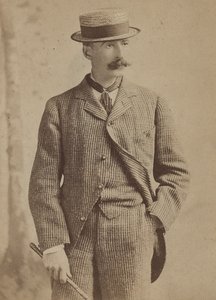
Winslow Homer
1836 - 1910 , Statele Unite ale Americii
Informații rapide
- Artistic Movement Or Style: Realism american
- Artists Or Movements Influenced By This Artist: ['Pictori americani']
- Artists Who Influenced This Artist:
- Barbizon
- Courbet
- Millet
- Date Of Birth: 3 octombrie 1836
- Date Of Death: 1910
- Full Name: Winslow Homer
- Nationality: American
- Notable Artworks:
- Breezing Up
- Gulf Stream
- Inocență
- Place Of Birth: Boston, SUA
Articole conexe

Top 10 Capodopere Acvarelă Legendară care au Schimbat Arta pentru Totdeauna | OriginalUniqueArt.ro
Descoperă Top 10 capodopere acuarelă legendară de la Sargent, Turner și alți maeștri! Explorează istoria artei, tehnicile unice și paletele vibrante. Reproduceri de artă de calitate muzeală pentru decorul perfect pe OriginalUniqueArt.com.

Realism American: 10 Capodopere Esențiale pentru Decorul Cult și Rafinat
Descoperă 10 capodopere esențiale ale Realismului American! Explorează poveștile din spatele picturilor lui Hopper, Wyeth și Wood. Reproduceri de artă premium pentru un decor rafinat pe OriginalUniqueArt.com

Ephemeral Visions: Exploring the Artistic Legacy & Contemporary Practice of Watercolor Painting
Explore the captivating world of watercolor painting! Discover its rich history, essential techniques, influential artists & collecting tips. A comprehensive guide for art enthusiasts from OriginalUniqueArt.

Ephemeral Visions: Exploring the Artistic Legacy & Nuances of Watercolor Painting
Explore the captivating world of watercolor painting! Discover its rich history, essential techniques, influential artists & collecting tips from art experts. A comprehensive guide for enthusiasts.
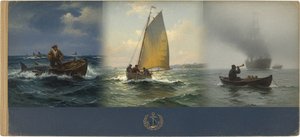
Winslow Homer: Cele Mai Iconice 25 De Opere – Artă, Istorie și Decorațiuni Excepționale
Descoperă cele mai frumoase 25 de picturi Winslow Homer! Explorează operele iconice ale artistului american, acuarele vibrante și peisaje marine impresionante. Găsește inspirație pentru decorul casei tale cu reproduceri artă de calitate muzeală pe OriginalUniqueArt.com.