

 Previzualizare
 Trimite
 Distribuie
 Detalii despre lucrare

 Descarcă
 Produse similare
 Radiografie
 Diapozitive automate
Lección de geografía


 Vezi mai mult
Reproducere pictată manual în ulei
Pictură în ulei pe pânză, realizată manual de artiștii noștri la dimensiunea și ramele dorite de dumneavoastră, pe comandă. ( Comandă versiunea tipărită Comută la imagine)




P118B $10

P118H $10

P118W $10

P438Z $10

P508JH $12

P508YH $12

P805H $10

P805Z $10

P919BZ $10

P919G $10

P919XJ $10

P959ZH $10

P968JZ $12

W106C $8

W218G $10

W218JH $8

W218Y $10

W307PJ $10

W316G $10

W316PJ $8

W316Y $10

W398PJ $8

W4111J $10

W500HY $15

W500JH $15

W692G $12

W849H $8

W940BG $15

W953PJ $8




Alegeți dintre dimensiunile noastre prestabilite, care respectă proporțiile originale ale operei de artă.

Puteți introduce propriile dimensiuni pentru a se potrivi unui anumit cadru sau spațiu. Dacă dimensiunea selectată nu corespunde proporțiilor imaginii originale, vom decupa opera de artă sau vom extinde pictura cu elemente suplimentare pictate manual. O simulare digitală vă va fi trimisă pentru aprobare înainte de începerea producției.
Vă rugăm să rețineți că previzualizarea de pe ecran nu reflectă decuparea sau extinderea reală. Doar macheta va arăta cu exactitate compoziția finală.
Deși sunt disponibile dimensiuni personalizate, vă recomandăm să selectați o dimensiune din lista predefinită pentru a păstra proporțiile originale.
După plasarea comenzii, echipa OriginalUniqueArt.com va contacta clientul prin e-mail pentru instrucțiuni și îi va furniza o previzualizare a machetei
Livrare în întreaga lume () în 3-4 săptămâni, în loc de cele 5 săptămâni standard. (7 August). Fără compromisuri în ceea ce privește calitatea.

Livrare expres gratuită la nivel mondial

Pânză de in de înaltă calitate

Asigurare completă pentru transport

Garanție de rambursare a taxelor vamale

Garanția fidelității culorilor

Politica de retur în 60 de zile (doar pentru defecte)

Garanție de rambursare 100%

Ofertă pentru comenzi multiple
 Opțiunea cu sticlă este disponibilă doar pentru dimensiuni de sub 110 cm

Lección de geografía
Tehnică de reproducere
Dimensiune reproducere
-


Preț total calculat
$ 300
Descriere operă de artă
Alfredo Valenzuela Puelma: A Pioneer of Chilean Realism
Chile’s artistic landscape owes an immense debt to Alfredo Valenzuela Puelma (1856-1909), a painter whose unwavering commitment to realism established him as one of the nation's foremost masters. Born in Valparaiso, a city renowned for its bohemian spirit and cosmopolitan atmosphere—a crucible of artistic experimentation—Valenzuela Puelma’s formative years were marked by exposure to both intellectual stimulation and profound personal hardship. Despite facing significant challenges throughout his life, including debilitating tuberculosis that ultimately claimed his vitality, he persevered in pursuing his artistic ambitions with unwavering determination.The Parisian Influence: Shaping a Distinctive Vision
Valenzuela Puelma’s artistic trajectory took its decisive turn when he embarked on a transformative journey to Paris in 1882. This immersion within the epicenter of European art offered him unparalleled opportunities for observation and emulation, fostering connections with luminaries such as Gustave Moreau and Alexandre Cabanel—artists whose stylistic sensibilities profoundly impacted his own evolving aesthetic. The École Supérieure des Beaux-Arts instilled in him a meticulous approach to anatomical study and compositional planning, skills that would become hallmarks of his oeuvre. More importantly, Paris exposed him to the burgeoning Impressionist movement, sparking an internal debate about the role of light and color in conveying emotion—a consideration that subtly infused his paintings with a nuanced sensitivity rarely encountered elsewhere.A Portrait of Learning: Analyzing “Lección de geografía”
“Lección de geografía,” or “Lesson of Geography,” exemplifies Valenzuela Puelma’s signature style – a masterful blend of meticulous realism and humanist compassion. Painted circa 1890, this captivating portrait depicts a father instructing his son about the intricacies of geography using a map as their guide. The scene unfolds with quiet dignity within a warmly lit interior—a deliberate choice that underscores the importance of familial connection and intellectual curiosity. Valenzuela Puelma’s technique is characterized by painstaking detail: Every wrinkle on the father's face, every gesture of instruction, every subtle expression on the son’s countenance is rendered with breathtaking accuracy. The muted palette—dominated by earthy tones—creates a sense of tranquility and reinforces the painting’s contemplative mood.Symbolism Embedded in Detail
Beyond its technical brilliance, “Lección de geografía” resonates with symbolic significance. The map itself serves as a metaphor for knowledge acquisition and the transmission of cultural heritage—values deeply cherished within Chilean society at the time. Furthermore, the father's posture conveys unwavering support and guidance, symbolizing the role of parental influence in shaping one’s intellectual development. Even the clock hanging on the wall subtly reinforces the passage of time—a reminder that learning is a lifelong endeavor.Emotional Resonance: Capturing Human Experience
Ultimately, Valenzuela Puelma succeeds in capturing the essence of human experience – the quiet intimacy of familial bonds and the profound satisfaction derived from pursuing intellectual pursuits. “Lección de geografía” transcends mere representation; it evokes empathy and invites contemplation about the values that underpin a fulfilling life. It stands as an enduring testament to Valenzuela Puelma’s artistic genius—a masterpiece that continues to inspire admiration and provoke discussion among art historians and collectors alike.Biografie artist
A Chilean Master of Realism: The Life and Art of Alfredo Valenzuela Puelma
Alfredo Valenzuela Puelma, born in the vibrant port city of Valparaiso, Chile, in 1856, stands as a pivotal figure in the nation’s artistic heritage. His life was a compelling narrative woven with threads of academic rigor, Parisian influence, and a deeply personal struggle that ultimately shaped his distinctive artistic vision. From an early age, Valenzuela Puelma demonstrated a remarkable aptitude for drawing, prompting his enrollment at the Academy of Fine Arts in Santiago at just twelve years old, where he studied under the tutelage of Ernesto Kirchbach and Juan Mochi. This formal training was uniquely balanced with studies in medicine—a testament to his intellectual curiosity and breadth of interests that would subtly inform his artistic perspective. He wasn’t merely a painter; he was an observer of life, anatomy, and the human condition, all elements that found their way onto his canvases.Parisian Refinement and Artistic Development
A turning point in Valenzuela Puelma's career arrived in 1881 with a Chilean government scholarship that propelled him to Paris—the epicenter of the art world at the time. He entered the workshop of Benjamin Constant, immersing himself in the artistic currents of the era. Simultaneously, he pursued anatomical studies at the Sorbonne, exposing himself to emerging movements like those championed by the Manet School. While acknowledging these modern trends, Valenzuela Puelma found a deeper resonance in the Old Masters, spending countless hours copying Spanish masters at the Louvre. This deliberate engagement with the past profoundly shaped his stylistic development, instilling within him a reverence for technique and composition that would become hallmarks of his work. A second scholarship in 1887 allowed further refinement under Jean Paul Laurens, solidifying his academic foundation and honing his skills. It was during these formative years in Paris that Valenzuela Puelma began to forge the distinctive path that would set him apart as a leading Chilean Realist painter.A Diverse Oeuvre: Themes and Techniques
Upon returning to Chile, Valenzuela Puelma actively engaged with the burgeoning art scene, consistently submitting works to exhibitions and competitions in Santiago where he garnered consistent recognition. He also took on administrative roles at the Theater La Victoria and managed various art exhibitions in Valparaíso during the 1890s, demonstrating a commitment to fostering cultural life beyond his own artistic practice. His oeuvre is remarkably diverse, encompassing landscapes imbued with atmospheric light, intimate interiors revealing glimpses of domestic life, compelling portraits that capture the essence of his subjects, delicate still lifes, and notably, sensuous nudes that challenged conventional norms. A recurring motif in his work—a testament to Constant’s influence—is the incorporation of Arabic elements, adding an exotic allure to compositions like La Perla del Mercader (The Merchant's Pearl) and El Niño del Fez (Fez Boy). Valenzuela Puelma’s technique is characterized by a meticulous realism rooted in academic principles. He possessed a masterful command of light, shadow, and color, creating paintings that are both technically brilliant and emotionally resonant. Works such as La Sevillana, Saliendo de Caza (Going Hunting), and Niña con Vestido Amarillo (Girl in a Yellow Dress) exemplify his ability to capture fleeting moments with remarkable precision and grace.Legacy and Historical Significance
In 1907, Valenzuela Puelma embarked on a final journey to France, but tragically never returned to Chile. He battled persistent depression and mental illness, conditions that ultimately led to his untimely death in Villejuif in 1909 at the age of fifty-three. His remains were later repatriated to Chile with great ceremony and interred at the National Museum of Fine Arts—a fitting tribute to a master artist. Though he did not formally dedicate himself to teaching, Valenzuela Puelma mentored several promising painters, including Alfredo Helsby and Eucarpio Espinosa, passing on his knowledge and inspiring a new generation of Chilean artists. Art critic and historian Antonio Romera rightfully recognized his significant contribution by including him among the “Great Masters of Chilean Painting.” Valenzuela Puelma’s legacy rests upon his successful synthesis of academic training with a uniquely personal vision. He left behind a body of work that continues to be admired for its technical skill, diverse subject matter, and enduring beauty—a testament to the power of realism to capture the complexities and nuances of the human experience. His paintings remain vital windows into 19th-century Chile, offering glimpses into its society, culture, and artistic aspirations.
Alfredo Valenzuela Puelma
1856 - 1909 , Chile
Detalii rapide
- Artistic Movement Or Style: Realism
- Artists Or Movements Influenced By This Artist:
- Alfredo Helsby
- Eucarpio Espinosa
- Artists Who Influenced This Artist:
- Benjamin Constant
- Jean Paul Laurens
- Date Of Birth: Feb 8, 1856
- Date Of Death: Oct 27, 1909
- Full Name: Alfredo Valenzuela Puelma
- Nationality: Chilean
- Notable Artworks:
- La Perla del Mercader
- El Niño del Fez
- Paisaje
- La Sevillana
- Saliendo de Caza
- Place Of Birth: Valparaiso, Chile
Articole similare
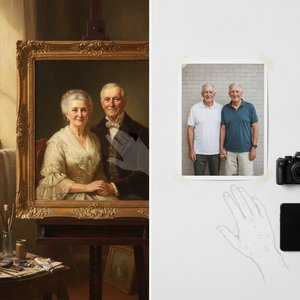
Dincolo de Pixeli: Portrete Pictate Manual – Moșteniri Emoționale Durabile ale Memoriei Familiale
Transformă fotografiile prețioase în portrete pictate manual de excepție cu OriginalUniqueArt! Artiști profesioniști creează opere de artă unice, o moștenire emoțională durabilă pentru familia ta. Calitate garantată și personalizare completă.

Întrebări Frecvente: Portrete de Familie – Ghid pentru Colecționari Exigenți
Descoperiți ghidul pentru portrete de familie personalizate. Creați o capodoperă unică, pictată manual de artiști talentați. Calitate superioară și servicii exclusive pentru colecționari exigenți.
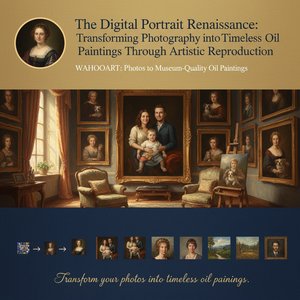
De la Autoportret Digital la Portret de Studio: O Renaștere Modernă a Tehnicii Uleiului
Descoperă renașterea portretului realizat manual! Comandă un portret ulei unic de la artiști talentați. Investește într-o operă de artă autentică, cu valoare culturală și emoțională. Ghid complet & consultanță gratuită.
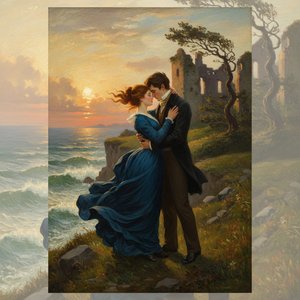
The Evocative Embrace of Reality: Exploring Romantic Realism in 19th-Century Painting
Explore the captivating world of Romantic Realism! Discover key artists like Courbet & Millet, masterpieces, and the social context behind this influential art movement. Expert insights for collectors at OriginalUniqueArt.
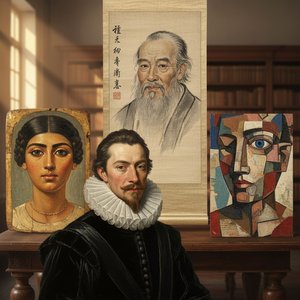
The Enduring Gaze: A Historical & Artistic Exploration of Portrait Painting Across Cultures
Explore the rich history of portrait painting with expert insights into Renaissance masterpieces & modern innovations. Discover artists, movements & commission a custom oil painting at OriginalUniqueArt.


