Hudson River School · 1855
Pompeii (Robert Seldon Duncanson, 1855)
Robert Seldon Duncanson (1821–1872) a realizat Pompeii. Data sa este din 1855. Face parte din mișcarea Hudson River School. Este realizată în Oil On Canvas. Este păstrat la Smithsonian American Art Museum în Washington, D.C., Statele Unite ale Americii. Dimensiunile sunt 53 × 43 cm.
- 1855
- Oil On Canvas
- 53 × 43 cm
- Smithsonian American Art Museum, Washington, D.C.

 Previzualizare

 Tablou în ulei pictat manual
 Trimite prin felicitare
 Distribuie
 Fișă informativă


 Descarcă imaginea
 Produse similare
 Radiografie
 Galerie foto
 Întrebări și răspunsuri

 Statistici
Pompeii, pe scurt
- Titlu
- Pompeii
- Artist
- Robert Seldon Duncanson (1821–1872)
- Artist născut în
- Fayetteville, Statele Unite ale Americii
- Date
- 1855
- Medium
- Oil On Canvas
- Dimensiuni
- 53 × 43 cm
- Unde poate fi vizualizată
- Smithsonian American Art Museum, Washington, D.C., Statele Unite ale Americii
- Mișcare
- Hudson River School
- Perioadă
- 19th Century
- Subiect
- people, tower, boats, mountains, trees, bushes
Ce reprezintă Pompeii?
Identification of the Artwork and Artist
The painting Pompeii is a work by the artist Robert Seldon Duncanson. Created in 1855, this oil on canvas captures a specific moment of stillness. The artist, born in Fayette, United States, in 1821, sought to translate the weight of history through the medium of paint. He lived until 1872.
Duncanson was a man of many layers, a pioneer of the American landscape. His hands moved from the practical work of carpentry to the delicate application of oil. He studied the light of the Old Masters to find his own way through the wilderness. This work emerged from that disciplined study.
The canvas holds a view of ancient ruins and a volcanic landscape. It is a quiet record of stone and sky. The brush traces the edges of a mountain and the silhouette of a tower. A stillness remains.
The Composition and Visual Elements
A large stone tower anchors the foreground, its heavy presence grounding the viewer amidst a mountainous landscape. Near this structure, a group of people gathers, their small forms providing a sense of scale against the ancient masonry. Scattered trees and bushes break the terrain, adding organic textures to the rugged earth. The eye is drawn from these immediate details toward the water, where several boats drift upon the surface.
In the distance, a second, smaller tower rises against the backdrop of the mountains. The composition relies on a receding perspective, layering the bay, the ruins, and the peaks to establish a deep sense of space. Light softens the distant mountains, creating an atmospheric veil over the volcanic landscape. The verticality of the stone structures contrasts with the horizontal stillness of the water. A quiet shadow falls across the rocks.
Technical Details and Artistic Style
The artist works in oil on canvas, layering pigment to build a sense of weight and light. Through the careful application of blending and glazing, smooth transitions emerge between the shadows of the ruins and the glow of the sky. This technique allows the colors to settle into one another, creating a soft, atmospheric depth. The composition relies on atmospheric perspective, where the clarity of the distant mountains and the volcano is softened by the intervening air, pushing the horizon far into the distance.
A tension exists between the geometric and the wild. The verticality of the central column and the rounded dome provide a linear structure that anchors the scene. These rigid, man-made forms contrast against the organic textures of the irregular rocks, the scattered foliage, and the drifting clouds. This marriage of the structured and the untamed is a hallmark of the Hudson River School and the Romanticism movement. The light does not merely illuminate; it defines the space, using tonal shifts to guide the eye from the foreground stones toward the hazy, volcanic peaks.
Thematic and Historical Context
The canvas captures a collision between the enduring earth and the fragile remnants of human endeavor. A single stone column rises from the terrain, a vertical ghost of classical architecture standing against a landscape of volcanic power. In the distance, the silhouette of a smoking volcano looms, a silent reminder of the geological forces that once buried this site. The composition places the scale of the natural world above the broken geometry of civilization, emphasizing a quiet tension between the permanence of mountains and the decay of stone.
This work explores the heavy weight of time through the lens of historical ruins. By situating human structures within a vast, untamed environment, the painting examines the relationship between the built world and the wild. The stillness of the scene suggests a moment of quiet contemplation regarding the passage of years and the inevitable reclamation of cities by the earth. It is a study of what remains when the pulse of a city has ceased, leaving only the mountains and the ash.
Related Works by the Artist
The artist’s hand often returned to the tension between the permanent and the fleeting. In 1870, he revisited the shadow of the volcano in Vesuvius and Pompeii. This later work echoes the geological power found in his earlier studies. He also captured the quietude of the pastoral in Landscape with Sheep. The animals move through a landscape that feels settled and still.
Earlier in his career, his focus shifted toward the intimate and the specific. He painted Roses Still Life in 1843, a study of delicate forms. In 1844, he turned his attention to the American terrain with Mt. Healthy, Ohio. These works reveal a painter navigating the transition from small, contained subjects to the vastness of the natural world. A single petal or a distant hill remains held in his gaze. The light settles on the earth and stays.
În ce muzeu se află Pompeii?
Smithsonian American Art Museum
Washington, D.C., Statele Unite ale Americii
O Cronică a Identității Americane Smithsonian American Art Museum, situat în Washington, D.C., reprezintă prima colecție de artă americană a națiunii. Ca parte a Instituției Smithsonian, acesta găzduiește una dintre cele mai vaste și incluzive colecții de artă realizate în Statele Unite. Posesiunile sale reprezintă o înregistrare continuă a experienței americane, capturând aspirațiile, caracterul și imaginația poporului, de la perioada colonială până în prezent.


Imagini la înaltă rezoluție ale lui Pompeii
Domeniu public: artistul a decedat în 1872.
Robert Seldon Duncanson, Pompeii (1855), Smithsonian American Art Museum. Domeniu public
Întrebări despre Pompeii, răspunsuri
Unde pot vedea originalul "Pompeii" de Robert Seldon Duncanson?
"Pompeii" de Robert Seldon Duncanson este expusă la Smithsonian American Art Museum, Washington, D.C., Statele Unite ale Americii. Mențiunea muzeului se referă la lucrarea originală, nu la reproduceri.
În ce an a fost creată „Pompeii”?
"Pompeii" de Robert Seldon Duncanson a fost creat(ă) în 1855.
În ce tehnică este realizată lucrarea "Pompeii" de Robert Seldon Duncanson?
Tehnica utilizată pentru "Pompeii" de Robert Seldon Duncanson este Oil On Canvas, iar reproducerile urmăresc să reducă aspectul acestei tehnici.
Care sunt dimensiunile originalului "Pompeii" de Robert Seldon Duncanson?
„Pompeii” măsoară 53 x 43 cm în formatul său original. Dimensiunile originale reprezintă o referință utilă atunci când alegeți dimensiunea unei reproduceri.
Ce reprezintă "Pompeii"?
Subiectele din "Pompeii" sunt people, tower, boats, mountains, trees, bushes, water.
Imaginea pentru "Pompeii" de Robert Seldon Duncanson poate fi reprodusă liber?
În ceea ce privește drepturile de autor, "Pompeii" este în domeniul public – drepturile de autor au expirat.
Cine este artistul din spatele "Pompeii"?
„Pompeii” a fost creat de Robert Seldon Duncanson. Informațiile de pe această pagină descriu opera originală a lui Robert Seldon Duncanson.
Din ce stil face parte "Pompeii"?
„Pompeii” este o operă de Hudson River School. Acest curent indică tradiția artistică din care face parte lucrarea.
În ce etapă a evoluției lui Robert Seldon Duncanson se încadrează „Pompeii”?
"Pompeii" reprezintă perioada Mature Period a lui Robert Seldon Duncanson.
Despre artistul Robert Seldon Duncanson
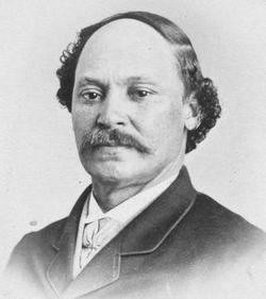
1821–1872, Statele Unite ale Americii
Robert Seldon Duncanson
A Pioneer of the American Landscape Robert Seldon Duncanson, un nume care rezonează cu o strălucire artistică și o importanță istorică remarcabilă, a apărut ca o figură centrală în arta americană a secolului al XIX-lea. Născut în jurul anului 1821 în Fayetteville, New York, din părinți de origine europeană și africană – tatăl său, John Dean Duncanson, un negustor liber de culoare care inculcase valorile diligencei și ale învățământului – Duncanson a navigat printr-o lume marcată de prejudecăți rasiale, dar a reușit în același timp să obțină recunoaștere internațională ca pictor de peisaj. Călătoria sa a fost una a autoeducării, a unei devotări neclintite și a unei conexiuni profunde cu lumea naturală, stabilindu-l în cele din urmă ca primul artist african american care a obținut recunoaștere generalizată atât în America de Nord, cât și în Europa. Relocarea familiei sale în Monroe, Michigan, l-a văzut pe tânărul Robert învățând meseria de tâmplar și pictor, dezvăluind un talent precoce pentru artă care avea să definească drumul său prin viață.
Despre Robert Seldon Duncanson Lucrări remarcabile ale lui Robert Seldon Duncanson
Alte lucrări ale lui Robert Seldon Duncanson
 Italianate Landscape1855
 Mount Healthy, Ohio1844
 Light and Shade on Ruins on Carthage, (painting)1845
 Man Fishing1848
Eseuri despre Pompeii
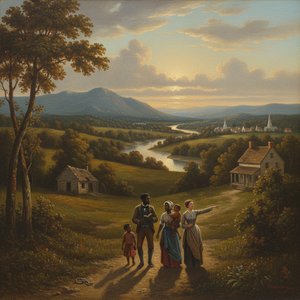 Robert Seldon Duncanson: Landscape, Abolitionism & Shaping American IdentityDiscover Robert Seldon Duncanson, the first internationally acclaimed African American landscape artist. Explore his connection to the Huds…
 Hubert Robert: Picturing Ruins, Preserving Memory – A Study of Romantic Antiquarianism & Artistic InnovationExplore the captivating world of Hubert Robert, master of Romantic landscape painting & 'capriccio' ruins. Discover his historical context,…
 25 Must-See Masterpieces at the Smithsonian American Art MuseumExplore 25 iconic works from the Smithsonian American Art Museum. From Hopper to O'Keeffe, find museum-quality art on OriginalUniqueArt.com.