Expressionism · 1946
Actresses (Max Beckmann, 1946)
Max Beckmann (1884–1950) a realizat Actresses. Data sa este din 1946. Face parte din mișcarea Expressionism. Este realizată în Acrylic On Canvas. Este păstrat la Kunsthaus Zürich în Zurich, Elveția. Dimensiunile sunt 160 × 120 cm.
- 1946
- Acrylic On Canvas
- 160 × 120 cm
- Kunsthaus Zürich, Zurich

 Previzualizare

 Tablou în ulei pictat manual
 Trimite prin felicitare
 Distribuie
 Fișă informativă


 Descarcă imaginea
 Produse similare
 Radiografie
 Galerie foto
 Întrebări și răspunsuri

 Statistici
Actresses, pe scurt
- Titlu
- Actresses
- Artist
- Max Beckmann (1884–1950)
- Artist născut în
- Leipzig, Germania
- Date
- 1946
- Medium
- Acrylic On Canvas
- Dimensiuni
- 160 × 120 cm
- Unde poate fi vizualizată
- Kunsthaus Zürich, Zurich, Elveția
- Mișcare
- Expressionism
- Subiect
- actresses, dressing room, theatre, women, reflection, black and white
Ce reprezintă Actresses?
A Moment Frozen in Glamour: Max Beckmann’s “Actresses”
Max Beckmann's 1946 painting, "Actresses," isn’t merely a depiction of two women in a dressing room; it’s a potent distillation of anxiety, vulnerability, and the carefully constructed facade of performance. Housed within the Kunsthaus Zürich’s collection, this oil on canvas invites us into a space both intimate and unsettling, revealing a complex interplay between reality and illusion that defines much of Beckmann's oeuvre. The painting immediately draws the eye to the central figures – two women seated before a large mirror, their postures suggesting a blend of anticipation and weariness. One woman, positioned slightly to the left, holds her hand delicately to her face, a gesture simultaneously shielding herself from an unseen light or expressing a profound discomfort. Her expression is ambiguous, hinting at both apprehension and a quiet resignation.
Beckmann’s style during this period – often categorized as New Objectivity or Neo-Expressionism – deliberately rejected the emotional excesses of earlier Expressionist movements. Instead, he favored a stark realism, employing flattened perspectives and fragmented forms to create a sense of unease and psychological depth. The mirror itself is crucial; it's not a simple reflective surface but an active participant in the scene, distorting and multiplying the figures, suggesting that identity itself is fluid and constructed. The lighting, too, contributes significantly to the painting’s mood – a diffused, almost clinical light casts long shadows, emphasizing the women’s faces and highlighting their vulnerability.
Echoes of Weimar and the Shadow of War
To fully appreciate “Actresses,” it's essential to understand the historical context in which it was created. Painted in 1946, just after the end of World War II, the painting reflects the profound anxieties and uncertainties gripping Germany at the time. The Weimar Republic, a period of relative prosperity and artistic experimentation, had collapsed into chaos and ultimately succumbed to the rise of Nazism. Beckmann, a staunch critic of authoritarianism, channeled these turbulent emotions through his art. The scene within the dressing room can be interpreted as a metaphor for the broader societal anxieties – the crumbling of established norms, the loss of innocence, and the pervasive sense of disillusionment.
Beckmann’s earlier life in Leipzig, Germany, was marked by significant personal tragedy, including the death of his wife. This experience undoubtedly informed his later work, contributing to a recurring theme of isolation and psychological distress. The painting's somber palette – dominated by muted browns, grays, and blacks – reinforces this sense of melancholy and foreboding. The overall effect is less celebratory than one might expect from a depiction of actresses, instead evoking a feeling of quiet desperation.
Symbolism and the Performance of Identity
Beyond its immediate visual impact, “Actresses” is rich in symbolic meaning. The dressing room itself represents the constructed nature of identity – the elaborate costumes, makeup, and carefully rehearsed performances that actresses present to the public. The mirror serves as a constant reminder that this performance is ultimately an illusion, concealing the women’s true selves. The book visible on the table further reinforces this theme, suggesting a preoccupation with stories, narratives, and the roles we play in life.
Furthermore, the positioning of the figures – one woman facing away from the viewer, the other turned towards her – creates a dynamic tension. It’s as if they are both observing each other, caught in a silent exchange that reveals nothing but their shared vulnerability. The painting doesn't offer easy answers or resolutions; instead, it compels us to confront the complexities of human experience and the often-painful process of self-discovery.
A Timeless Reflection on Artifice and Reality
“Actresses” remains a powerfully evocative work of art, demonstrating Beckmann’s mastery of psychological observation and his ability to translate complex emotions onto canvas. It's a painting that rewards repeated viewing, revealing new layers of meaning with each encounter. Its enduring appeal lies in its honest portrayal of human fragility and the inherent tension between appearance and reality – themes that resonate deeply across generations. Whether viewed as a historical document or a timeless meditation on identity, “Actresses” continues to captivate and challenge viewers today.
În ce muzeu se află Actresses?
Kunsthaus Zürich
Zurich, Elveția
Istoria Kunsthaus Zürich Originiile Kunsthaus Zürich se regăsesc în anul 1901, moment în care a fost fondat de către Zürcher Kunstgesellschaft. Ceea ce a început ca o societate dedicată stimulării aprecierii pentru expresia artistică, s-a transformat într-o instituție culturală de o importanță remarcabilă, devenind cea mai mare din Elveția. Situat în inima vibrantă a orașului Zurich, muzeul ocupă cea mai vastă suprafață dintre toate instituțiile de artă din țară, oferind un spațiu generos pentru descoperire și contemplare.


Imagini la înaltă rezoluție ale lui Actresses

Domeniu public: artistul a decedat în 1950.
Alte dimensiuni, cadrări și citări →Max Beckmann, Actresses (1946), Kunsthaus Zürich. Domeniu public
Întrebări despre Actresses, răspunsuri
Unde poate fi vizualizată astăzi opera "Actresses" de Max Beckmann?
Puteți vedea originalul "Actresses" la Kunsthaus Zürich, Zurich, Elveția.
În ce an a fost creat "Actresses" de Max Beckmann?
Opera "Actresses" de Max Beckmann a fost creată în 1946.
Din ce materiale este realizată „Actresses”?
Tehnica utilizată pentru "Actresses" de Max Beckmann este Acrylic On Canvas, iar reproducerile urmăresc să reducă aspectul acestei tehnici.
Ce dimensiuni are "Actresses" de Max Beckmann în realitate?
Dimensiunile înregistrate pentru "Actresses" de Max Beckmann sunt 160 x 120 cm. Reproducerile pot fi comandate în alte dimensiuni, păstrând aceleași proporții.
Ce reprezintă "Actresses"?
Temele prezente în "Actresses" de Max Beckmann includ actresses, dressing room, theatre, women, reflection, black and white, 1946, germany. Împreună, acestea definesc subiectul întregii opere de artă.
Imaginea pentru "Actresses" de Max Beckmann poate fi reprodusă liber?
Statusul drepturilor de autor pentru "Actresses" de Max Beckmann: opera este în domeniul public – drepturile de autor au expirat. Acest lucru determină dacă reproducerile imaginii pot fi realizate liber.
Cine este artistul din spatele "Actresses"?
Artistul din spatele operei „Actresses” este Max Beckmann. Lucrarea este catalogată sub numele lui Max Beckmann.
Din ce stil face parte "Actresses"?
"Actresses" de Max Beckmann face parte din mișcarea Expressionism. Acest curent oferă contextul stilistic al operei.
În ce etapă a evoluției lui Max Beckmann se încadrează „Actresses”?
În cariera lui Max Beckmann, „Actresses” aparține perioadei Mature Period. Această etapă facilitează compararea sa cu celelalte opere ale artistului.
Despre artistul Max Beckmann

1884–1950, Germania
Max Beckmann
Viața și Arta lui Max Beckmann Max Beckmann a fost un om al multor discipline, activând ca pictor, desenator, grafic, sculptor și scriitor. El a venit pe lume pe 12 februarie 1884, în Leipzig, Saxonia, crescând într-o familie de clasa medie superioară, fiind cel mai mic dintre cei trei copii. Primii săi ani au fost modelați de stabilitatea liniștită a căminului familial, până în 1894, când tatăl său, Carl Beckmann, un comerciant de cereale, a decedat. Mama sa, Antoine Beckmann, a rămas o figură centrală în viața sa pe măsură ce acesta începea să își descopere drumul printre complexitățile existenței moderne.
Despre Max Beckmann Lucrări remarcabile ale lui Max Beckmann
Alte lucrări ale lui Max Beckmann
 Noaptea1919
 Scena Grandioasă a Agoniei1906
 Podul Fierului (Vederea din Frankfurt)1922
 Columbine1950

Eseuri despre Actresses
 Max Beckmann: Navigating Trauma & Modernity Through a Distorted LensExplore the powerful world of Max Beckmann's art – a journey through trauma, modernity & distortion. Discover his key works, influences, an…
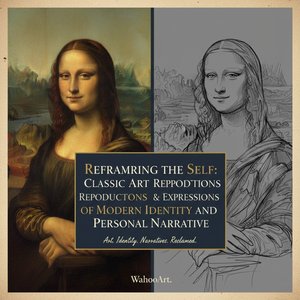 Reconfigurarea Sinelui: Reproduceri Artistice Clasice ca Expresii ale Identității Moderne și Narativului PersonalDescoperă cum reproducerile artistice clasice pot exprima identitatea ta! Comandă portrete personalizate, consultanță gratuită și artă de c…
 Masterpieces Unveiled: The Top 25 Artworks at Kunsthaus ZürichExplore 25 iconic works from Kunsthaus Zürich, from Munch to Picasso. Discover museum-quality art at OriginalUniqueArt.com.