Romanticism · 1817
Flatford Mill (John Constable, 1817)
John Constable (1776–1837) a realizat Flatford Mill. Data sa este din 1817. Face parte din mișcarea Romanticism. Este realizată în Oil On Canvas. Dimensiunile sunt 50 × 60 cm.
- 1817
- Oil On Canvas
- 50 × 60 cm

 Previzualizare

 Tablou în ulei pictat manual
 Trimite prin felicitare
 Distribuie
 Fișă informativă


 Descarcă imaginea
 Produse similare
 Radiografie
 Galerie foto
 Întrebări și răspunsuri

 Statistici
Flatford Mill, pe scurt
- Titlu
- Flatford Mill
- Artist
- John Constable (1776–1837)
- Artist născut în
- East Bergholt, Regatul Unit
- Date
- 1817
- Medium
- Oil On Canvas
- Dimensiuni
- 50 × 60 cm
- Mișcare
- Romanticism
- Perioadă
- 19th Century
- Subiect
- landscape, rural england, mill scene, river stour, pastoralism, british art
Ce reprezintă Flatford Mill?
Identification of Flatford Mill by John Constable
Flatford Mill is an 1817 landscape painting by the British artist John Constable. This work offers a view of the mill located in East Bergholt on the River Stour. It is also known by the subtitle Scene on a Navigable River. The scene captures a specific moment in the rural landscape of the Stour Valley, focusing on the quiet activity surrounding the water's edge.
The painting was first presented to the public when it was displayed at the Royal Academy's Summer Exhibition at Somerset House in 1817. At that time, it established the artist's interest in the specific topography of his home region. The composition centers on the mill and the river, providing a detailed look at the relationship between the water and the surrounding land.
The Composition and Visual Elements
The composition pulls you into a world of lush greens and reflective waters. At the heart of the scene, the calm, reflective waters of the river act as a mirror to the lush, verdant banks. This interplay of light and liquid creates a sense of depth that draws the eye toward the center of the work. A moored boat and distant figures provide a gentle human connection to the vastness of the Suffolk countryside, grounding the landscape in a quiet, lived-in reality.
Several individuals stand near the water's edge, their presence adding a subtle layer of activity to the peaceful scene. On the left side of the image, a horse is positioned near the bank, its form integrated into the pastoral setting. Two boats are visible in the water; one is situated towards the center, while another rests slightly to the right. These elements, combined with the rhythmic presence of the river, establish a sense of harmony within the rural environment.
Technique and Artistic Materials
In this oil on canvas, one can sense the methodical preparation that preceded the final application of paint. Before committing to the large-scale composition, the artist relied on a foundation of oil sketches, graphite drawings, and watercolour studies. This disciplined approach allowed for a careful arrangement of the landscape's complexities. The resulting work possesses a physical weight, achieved through the use of thick impasto to build up texture across the surface. This tactile quality gives the river and the earth a sense of movement and life.
There is a particular luminosity in the way the light interacts with the water and the sky. This effect is achieved through the painstaking layering of thin glazes of paint. Such a technique allows light to penetrate the surface, creating an illusion of shimmering luminescence that mimics the shifting atmosphere of the Stour Valley. It is a quiet, deliberate mastery of light and shadow.
Historical Ownership and Collections
The provenance of this work is deeply connected to the artist's own legacy. It was eventually included as part of the Constable Bequest in 1888, ensuring its place within the public consciousness. This transition from private hands to a permanent collection secured its survival for future generations to study.
Today, the painting is held within the collection of Tate Britain. It is also part of the holdings at the Tate Gallery in London. These institutions maintain the work as a significant part of their English landscape holdings. Additionally, the National Trust holds a connection to the work through its stewardship of the surrounding landscapes and properties.
Related Works by John Constable
To understand the evolution of this artist, one might look toward his earlier explorations of the Stour Valley. In 1815, he produced Boat-building near Flatford Mill, a work that captures the rhythmic sounds of craftsmanship against a quiet river setting. This piece reflects his deep connection to the local landscape and the dignity of rural labor. It is a quiet study of the textures found in the Suffolk countryside.
His later compositions often expanded in scale and ambition. He moved toward larger canvases, such as The Hay Wain from 1821, which remains one of his most recognized depictions of the river. Other significant works include The Cornfield (1826) and The Lock (1824), both of which continue his investigation into the interplay of light and water. He also turned his attention to more architectural subjects, such as Salisbury Cathedral from the Meadows in 1831.
- Boat-building near Flatford Mill (1815)
- The Hay Wain (1821)
- The Lock (1824)
- The Cornfield (1826)
- Salisbury Cathedral from the Meadows (1831)
Where to See This Masterpiece Today
If you wish to experience the subtle shifts of light and the texture of the River Stour in person, you will find this work held within the collections of the Tate Gallery in London. It is part of the permanent collection at Tate Britain, where the painting is kept for public viewing. The work remains a significant part of the Tate Britain collection, allowing visitors to observe the specific impasto and the atmospheric perspective that Constable achieved in 1817.
The painting is situated in London, United Kingdom. It is housed within the Tate Gallery, London, providing a quiet space to study the relationship between the water and the sky. Being part of the Tate Britain collection, it is accessible to those who appreciate the nuances of the Romantic tradition in a museum setting.
Imagini la înaltă rezoluție ale lui Flatford Mill

Domeniu public: artistul a decedat în 1837.
Alte dimensiuni, cadrări și citări →John Constable, Flatford Mill (1817). Domeniu public
Întrebări despre Flatford Mill, răspunsuri
În ce an a fost creată "Flatford Mill" de John Constable?
„Flatford Mill” datează din 1817. Această dată plasează lucrarea în cadrul carierei lui John Constable și în contextul epocii sale.
În ce tehnică este realizată lucrarea "Flatford Mill" de John Constable?
Tehnica utilizată pentru "Flatford Mill" de John Constable este Oil On Canvas, iar reproducerile urmăresc să reducă aspectul acestei tehnici.
Ce dimensiuni are originalul "Flatford Mill"?
„Flatford Mill” măsoară 50 x 60 cm în formatul său original. Dimensiunile originale reprezintă o referință utilă atunci când alegeți dimensiunea unei reproduceri.
Ce reprezintă "Flatford Mill"?
Subiectele din "Flatford Mill" sunt landscape, rural england, mill scene, river stour, pastoralism, british art, constables vision.
"Flatford Mill" de John Constable face parte din domeniul public?
"Flatford Mill" de John Constable este în domeniul public (în domeniul public – drepturile de autor au expirat). Acest statut reglementează modul în care imaginea lucrării poate fi reprodusă.
La ce artist este atribuită opera „Flatford Mill”?
Artistul din spatele operei „Flatford Mill” este John Constable. Lucrarea este catalogată sub numele lui John Constable.
Din ce curent artistic face parte "Flatford Mill" de John Constable?
"Flatford Mill" de John Constable face parte din mișcarea Romanticism. Acest curent oferă contextul stilistic al operei.
Din ce perioadă a carierei lui John Constable face parte „Flatford Mill”?
„Flatford Mill” aparține perioadei Early Romanticism din cariera lui John Constable. Această clasificare corelează opera cu evoluția artistului.
Ce vârstă avea John Constable când a fost creat "Flatford Mill"?
Când „Flatford Mill” a fost creat în 1817, John Constable – născut în 1776 – avea 41 ani.
Despre artistul John Constable
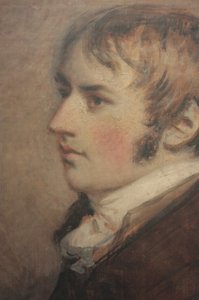
1776–1837, Regatul Unit
John Constable
Tinerețe, Familie și Formare John Constable s-a născut în anul 1776 în satul East Bergholt, din Suffolk. Fiul al doilea al lui Golding și Ann (Watts) Constable, el a crescut într-un mediu definit de activitatea economică a familiei sale. Tatăl său, un comerciant prosper de cereale și cărbune, deținea Flatford Mill. Această legătură strânsă cu râul și cu comerțul local însemna că ritmurile apei și mișcarea mărfurilor erau parte integrantă din viața cotidiană a căminului său.
Despre John Constable Lucrări remarcabile ale lui John Constable
Alte lucrări ale lui John Constable
 "The Hay Wain" translates to "Pârâul de iască" in Romanian.1821
 Vederea Catedralei Salisbury de pe domeniile Episcopului1823
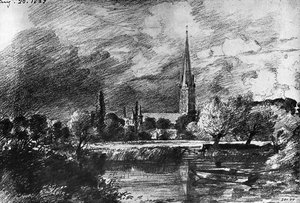 Salisbury cathedral
 Carul cu fân (detaliu)1821

Eseuri despre Flatford Mill
 British artworks of the 1810sBritish artworks from the 1810s featuring the sublime landscapes of J. M. W. Turner and John Constable. View the full collection at Origina…
 25 Must-See Masterpieces at the Yale Center for British ArtExplore 25 iconic works from Turner to Hogarth at Yale Center for British Art. Discover every masterpiece on OriginalUniqueArt.com.
 Mastering the English Landscape: The Top 25 Artworks by John ConstableImmerse yourself in the soul of the English countryside with our curated guide to John Constable's top 25 masterpieces. Explore the emotive…