Romantic Landscape Painting · 1813
East Bergholt (John Constable, 1813)
John Constable (1776–1837) a realizat East Bergholt. Data sa este din 1813. Face parte din mișcarea Romantic Landscape Painting. Este realizată în Acrylic On Canvas. Este păstrat la Yale Center for British Art în New Haven, Statele Unite ale Americii.
- 1813
- Acrylic On Canvas
- Yale Center for British Art, New Haven

 Previzualizare

 Tablou în ulei pictat manual
 Trimite prin felicitare
 Distribuie
 Fișă informativă


 Descarcă imaginea
 Produse similare
 Radiografie
 Galerie foto
 Întrebări și răspunsuri

 Statistici
East Bergholt, pe scurt
- Titlu
- East Bergholt
- Artist
- John Constable (1776–1837)
- Artist născut în
- East Bergholt, Regatul Unit
- Date
- 1813
- Medium
- Acrylic On Canvas
- Unde poate fi vizualizată
- Yale Center for British Art, New Haven, Statele Unite ale Americii
- Mișcare
- Romantic Landscape Painting
- Subiect
- suffolk countryside, rural england, constable, landscape, pastoral, light and shadow
Ce reprezintă East Bergholt?
A Breath of Suffolk: John Constable’s ‘East Bergholt’
John Constable's “East Bergholt,” painted in 1813, isn’t simply a depiction of a rural English landscape; it’s a profound meditation on light, atmosphere, and the very essence of place. Born in East Bergholt itself – a fact that imbued his work with an unparalleled intimacy – Constable captured not just what he saw, but how he *felt* about the world around him. The painting unfolds as a quiet drama, a tableau vivant of everyday life set against the backdrop of Dedham Vale, the valley that would become inextricably linked to his artistic legacy. The muted palette, dominated by shades of grey and green, immediately establishes a mood of contemplative melancholy – a subtle tension between beauty and something almost melancholic. This isn’t a vibrant celebration of pastoral bliss; rather, it's an exploration of the land’s inherent complexity, its capacity for both serenity and shadowed introspection.
The Language of Light: Constable’s Revolutionary Technique
Constable was a revolutionary figure in landscape painting. He rejected the idealized, polished surfaces favored by his predecessors, opting instead for a technique that prioritized direct observation and the fleeting effects of light. “East Bergholt” exemplifies this perfectly. Notice how he employs broken brushstrokes – tiny, almost hesitant marks – to build up layers of color and texture. This method, known as ‘optical mixing,’ allowed him to capture the subtle shifts in illumination across the fields and trees with astonishing accuracy. The sky isn’t a uniform blue; it's a complex interplay of greys, whites, and hints of purple, reflecting the diffused light of an overcast day. He meticulously rendered the way sunlight filters through the branches, creating dappled patterns on the grass – a technique that would later become central to his style. This commitment to capturing the *truth* of natural light was groundbreaking and profoundly influenced generations of artists.
Figures Within the Landscape: Symbolism and Human Connection
The inclusion of figures within the vast landscape is crucial to understanding the painting’s deeper meaning. These aren't merely decorative elements; they are integral to Constable’s exploration of humanity’s relationship with nature. The group gathered in the field, engaged in some unspecified activity – perhaps farming or simply enjoying a moment together – represents a connection to the land and its rhythms. They are small, almost anonymous, yet their presence anchors the scene, reminding us that this is not just an abstract representation of nature but a lived experience. The horse grazing peacefully suggests a harmony between man and beast, further reinforcing the theme of rural life and its inherent beauty. The placement of these figures subtly directs our gaze across the landscape, inviting us to contemplate the relationship between human activity and the natural world.
A Window into a Time: Historical Context and Constable’s Vision
“East Bergholt” was painted during a period of significant social and artistic change in England. The early 19th century witnessed a growing interest in the English countryside, fueled by Romanticism's emphasis on emotion, imagination, and the sublime. Constable’s work aligns perfectly with this movement, capturing not just the physical beauty of the landscape but also its emotional resonance. He was deeply influenced by Claude Lorrain, whose idealized landscapes provided a foundation for his own explorations. However, Constable moved beyond Lorrain's static perfection, imbuing his paintings with a sense of immediacy and psychological depth. “East Bergholt” is more than just a record of a place; it’s a testament to Constable’s unique vision – a vision rooted in the soil of East Bergholt and imbued with a profound understanding of the English landscape.
OriginalUniqueArt offers exquisite, hand-painted reproductions of “East Bergholt,” allowing you to bring this iconic work into your home or office. Each reproduction is created using traditional techniques and archival quality materials, ensuring that it will retain its beauty and vibrancy for generations to come. Explore our collection today and experience the magic of Constable’s Suffolk.
În ce muzeu se află East Bergholt?
Yale Center for British Art
New Haven, Statele Unite ale Americii
Istoria Yale Center for British Art Înființat în anul 1966, Yale Center for British Art ocupă un loc de o importanță deosebită în New Haven, Connecticut, în Statele Unite ale Americii. Instituția s-a născut din donația unei colecții extraordinare, adunată cu pasiune de Paul Mellon. Această fundație a transformat pe deplin peisajul studiilor de artă britanică din regiune, oferind un cămin permanent unor lucrări care urmăresc evoluția identității vizuale a unei întregi națiuni.


Imagini la înaltă rezoluție ale lui East Bergholt

Domeniu public: artistul a decedat în 1837.
Alte dimensiuni, cadrări și citări →John Constable, East Bergholt (1813), Yale Center for British Art. Domeniu public
Întrebări despre East Bergholt, răspunsuri
Unde poate fi vizualizată astăzi opera "East Bergholt" de John Constable?
"East Bergholt" de John Constable este expusă la Yale Center for British Art, New Haven, Statele Unite ale Americii. Mențiunea muzeului se referă la lucrarea originală, nu la reproduceri.
În ce an a fost creată „East Bergholt”?
"East Bergholt" de John Constable a fost creat(ă) în 1813.
Din ce materiale este realizată „East Bergholt”?
John Constable a utilizat tehnica Acrylic On Canvas pentru "East Bergholt". Tehnica definește natura materială a lucrării originale.
Ce reprezintă "East Bergholt"?
Subiectele din "East Bergholt" sunt suffolk countryside, rural england, constable, landscape, pastoral, light and shadow, figures.
Imaginea pentru "East Bergholt" de John Constable poate fi reprodusă liber?
Statusul drepturilor de autor pentru "East Bergholt" de John Constable: opera este în domeniul public – drepturile de autor au expirat. Acest lucru determină dacă reproducerile imaginii pot fi realizate liber.
Cine a creat "East Bergholt"?
Artistul din spatele operei „East Bergholt” este John Constable. Lucrarea este catalogată sub numele lui John Constable.
Din ce curent artistic face parte "East Bergholt" de John Constable?
"East Bergholt" de John Constable face parte din mișcarea Romantic Landscape Painting. Acest curent oferă contextul stilistic al operei.
Din ce perioadă a carierei lui John Constable face parte „East Bergholt”?
„East Bergholt” aparține perioadei Mature Period din cariera lui John Constable. Această clasificare corelează opera cu evoluția artistului.
Ce vârstă avea John Constable când a creat "East Bergholt" în 1813?
John Constable avea 37 ani când a creat "East Bergholt" în 1813. Vârsta este calculată pe baza anului nașterii artistului, 1776.
Despre artistul John Constable
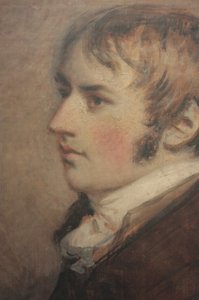
1776–1837, Regatul Unit
John Constable
Tinerețe, Familie și Formare John Constable s-a născut în anul 1776 în satul East Bergholt, din Suffolk. Fiul al doilea al lui Golding și Ann (Watts) Constable, el a crescut într-un mediu definit de activitatea economică a familiei sale. Tatăl său, un comerciant prosper de cereale și cărbune, deținea Flatford Mill. Această legătură strânsă cu râul și cu comerțul local însemna că ritmurile apei și mișcarea mărfurilor erau parte integrantă din viața cotidiană a căminului său.
Despre John Constable Lucrări remarcabile ale lui John Constable
Alte lucrări ale lui John Constable
 "The Hay Wain" translates to "Pârâul de iască" in Romanian.1821
 Vederea Catedralei Salisbury de pe domeniile Episcopului1823
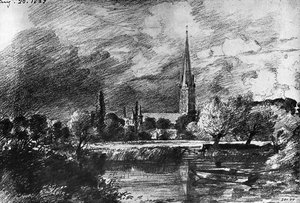 Salisbury cathedral
 Carul cu fân (detaliu)1821

Eseuri despre East Bergholt
 The Language of Brushstrokes: How Texture and Technique Reveal the Soul of ArtDiscover the profound connection between texture and emotion in Impressionist art. Explore how masterful brushstrokes by Renoir and Monet c…
 25 Must-See Masterpieces at the Yale Center for British ArtExplore 25 iconic British masterpieces from Turner to Hogarth. Discover museum-quality art at OriginalUniqueArt.com.
 Mastering the English Landscape: The Top 25 Artworks by John ConstableImmerse yourself in the soul of the English countryside with our curated guide to John Constable's top 25 masterpieces. Explore the emotive…