Fauvism · 1923
Nude (André Derain, 1923)
André Derain (1880–1954) a realizat Nude. Data sa este din 1923. Face parte din mișcarea Fauvism. Este realizată în Oil On Canvas. Dimensiunile sunt 44 × 58 cm.
- 1923
- Oil On Canvas
- 44 × 58 cm

 Previzualizare

 Tablou în ulei pictat manual
 Trimite prin felicitare
 Distribuie
 Fișă informativă


 Descarcă imaginea
 Produse similare
 Radiografie
 Galerie foto
 Întrebări și răspunsuri

 Statistici
Nude, pe scurt
- Titlu
- Nude
- Artist
- André Derain (1880–1954)
- Artist născut în
- Chatou, Franța
- Date
- 1923
- Medium
- Oil On Canvas
- Dimensiuni
- 44 × 58 cm
- Mișcare
- Fauvism
- Perioadă
- Modern
- Subiect
- woman, nude, female figure, grayscale, seated woman
Ce reprezintă Nude?
Identification of the Nude by André Derain
In this 1923 work, titled Nude, André Derain turns his attention to the quietude of the human form. The painting presents a nude female figure, captured in a moment of stillness that invites a closer, more intimate observation. It is a study of presence and form, rendered with a focus on the essential character of the subject.
The artist, André Derain, approaches the figure with a sense of restraint. Rather than relying on the loud, unmixed hues of his earlier Fauvist period, this piece reflects a more disciplined sensibility. The subject is seated and facing forward, occupying the central space of the composition. There is a certain gravity to her pose, suggesting a state of introspection or perhaps a quiet contemplation of her surroundings.
This work belongs to a period in the artist's career where structure and form began to take precedence. The figure is defined by simplified shapes and a deliberate use of line. It is a direct encounter with the subject, stripped of unnecessary distraction, allowing the viewer to focus entirely on the weight and volume of the female form as it exists within the frame.
Composition and Visual Elements
The figure is centrally positioned within the frame, creating a quiet sense of balance that draws the eye immediately to the subject. She is seated in a moment of stillness, her pose defined by arms crossed and resting upon her legs. This arrangement suggests a state of introspection or perhaps a simple, unhurried relaxation. The composition avoids complex spatial arrangements, opting instead for a relatively flat perspective that lacks a strong sense of depth, keeping the viewer's attention fixed on the immediate presence of the form.
There is a deliberate simplification in how the human form is rendered. The artist employs simplified geometric shapes to represent the body, using curves to trace the silhouette while sharper angles define the features of the face, such as the nose and eyebrows. This structural approach gives the figure a certain weight and presence despite the lack of environmental detail. The background remains largely undefined, which serves to isolate the subject and emphasize the contours of her body.
The palette is strictly monochromatic, relying on a controlled range of shades including gray, white, and black. Rather than using color to create volume, the artist uses subtle variations in tone to model the figure. Strong, visible brushstrokes define the contours of the body and the facial features. These lines are not blended into smooth transitions; instead, they retain an individual character that adds a tactile energy to the surface. The interplay between these textured strokes and the softer areas of the skin creates a visual rhythm that is both disciplined and expressive.
Technique and Material Details
This work is an oil on canvas, executed with a deliberate and tactile approach to the medium. The artist employs visible brushstrokes that remain unblended in many areas, creating a surface defined by its physical texture. These marks are not merely marks of application but are essential to the structural definition of the figure, providing a sense of energy and movement across the form.
There is a clear evidence of layering and careful blending used to achieve subtle tonal variations. This technique allows for a nuanced transition between light and shadow, giving the subject a sense of volume and presence. The interplay of these layers creates a depth that relies on the weight of the paint rather than a reliance on linear perspective. The result is a surface where the materiality of the oil paint is as much a part of the composition as the subject itself.
Imagini la înaltă rezoluție ale lui Nude

Domeniu public: artistul a decedat în 1954.
Alte dimensiuni, cadrări și citare →André Derain, Nude (1923). Domeniu public
Culorile sunt adaptate după original de către un expert digital, iar fișierul este fin retușat, fiind fidel picturii artistului.
Cumpără fișierul la rezoluție înaltăÎntrebări despre Nude, răspunsuri
În ce an a fost creat "Nude" de André Derain?
"Nude" de André Derain a fost creat(ă) în 1923.
În ce tehnică este realizată lucrarea "Nude" de André Derain?
"Nude" este realizat în Oil On Canvas."
Ce dimensiuni are originalul "Nude"?
„Nude” măsoară 44 x 58 cm în formatul său original. Dimensiunile originale reprezintă o referință utilă atunci când alegeți dimensiunea unei reproduceri.
Ce subiecte sunt reprezentate în "Nude" de André Derain?
Temele prezente în "Nude" de André Derain includ woman, nude, female figure, grayscale, seated woman. Împreună, acestea definesc subiectul întregii opere de artă.
Imaginea pentru "Nude" de André Derain poate fi reprodusă liber?
"Nude" de André Derain este în domeniul public (în domeniul public – drepturile de autor au expirat). Acest statut reglementează modul în care imaginea lucrării poate fi reprodusă.
Cine este artistul din spatele "Nude"?
„Nude” este atribuit lui André Derain.
Din ce curent artistic face parte "Nude" de André Derain?
„Nude” este o operă de Fauvism. Acest curent indică tradiția artistică din care face parte lucrarea.
În ce perioadă a carierei lui André Derain se încadrează "Nude"?
În cariera lui André Derain, „Nude” aparține perioadei Return to order. Această etapă facilitează compararea sa cu celelalte opere ale artistului.
Ce vârstă avea André Derain când a creat "Nude" în 1923?
Când „Nude” a fost creat în 1923, André Derain – născut în 1880 – avea 43 ani.
Despre artistul André Derain
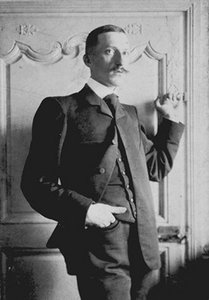
1880–1954, Franța
André Derain
Tinerețe, Familie și Formare În anul 1880, André Derain a păşit pe lume în Chatou, un orășel pitoresc situat în regiunea Yvelines, din Franța. Primii săi ani au fost modelați de peisajele liniștite din Île-de-France, unde o curiozitate naturală pentru mediul înconjurător a început să prindă rădăcini. Până în 1895, acesta începuse deja să studieze pe cont propriu, căutând să înțeleagă lumea vizuală prin propriile sale ochi, mai degrabă decât prin instruirea formală. Această perioadă de explorare autodidactă i-a permis să își dezvolte un mod personal de a vedea, înainte ca rigoarea unei academii să îi poată impune propria voință.
Despre André Derain Lucrări remarcabile ale lui André Derain
Alte lucrări ale lui André Derain
 bathers1907
 London Bridge1906
 Charing Cross from sw1906
 Landscape at L'Estaque1906
Eseuri despre Nude
 French artworks of the 1920sIconic French works by Matisse and Léger define the 1920s. Explore the full collection online at OriginalUniqueArt.com.
 The Evolving Human Form: Tracing Light and Flesh from Impressionism to Post-ImpressionismExplore the evolution of the human form from academic realism to Post-Impressionism. Trace the history of light and flesh with us.
 The Architecture of Stillness: A Curated Study of Seated Figures in Art HistoryExplore the psychological depth of seated figures from Rembrandt to Roman realism. Discover the secrets of art history now.