German Expressionism · 1914
Fighting Forms (Franz Marc, 1914)
Franz Marc (1880–1916) a realizat Fighting Forms. Data sa este din 1914. Face parte din mișcarea German Expressionism. Este realizată în Oil On Canvas. Este păstrat la Bayerische Staatsgemaldesammlungen în Munchen, Germania. Dimensiunile sunt 91 × 131 cm.
- 1914
- Oil On Canvas
- 91 × 131 cm
- Bayerische Staatsgemaldesammlungen, Munchen

 Previzualizare

 Tablou în ulei pictat manual
 Trimite prin felicitare
 Distribuie
 Fișă informativă


 Descarcă imaginea
 Produse similare
 Radiografie
 Galerie foto
 Întrebări și răspunsuri

 Statistici
Fighting Forms, pe scurt
- Titlu
- Fighting Forms
- Artist
- Franz Marc (1880–1916)
- Artist născut în
- Munchen, Germania
- Date
- 1914
- Medium
- Oil On Canvas
- Dimensiuni
- 91 × 131 cm
- Unde poate fi vizualizată
- Bayerische Staatsgemaldesammlungen, Munchen, Germania
- Mișcare
- German Expressionism
- Subiect
- expressionism, conflict, red, black, animals, anxiety
Ce reprezintă Fighting Forms?
A Symphony of Conflict: Unpacking the Power of Franz Marc’s *Fighting Forms*
Franz Marc's 1914 painting, *Fighting Forms*, isn’t merely a visual representation; it’s an intensely felt experience. Created during a period of escalating anxieties surrounding the impending First World War, this work embodies the core tenets of Expressionism – a movement dedicated to conveying subjective emotions and inner turmoil rather than objective reality. Marc, a founding member of Der Blaue Reiter, sought to capture not just what he saw, but how he *felt*, channeling his spiritual concerns into a language of vibrant color and dynamic form. The painting immediately confronts the viewer with a swirling vortex of red and black, hues that instinctively evoke danger, struggle, and perhaps even death. Yet, within this apparent chaos lies a profound sense of yearning – a desperate plea for understanding amidst the looming darkness.
- The Palette of Emotion: Marc’s masterful use of color is paramount. The dominant reds represent aggression, violence, and the destructive forces threatening to consume humanity. These fiery tones are juxtaposed with the darker blacks and browns, symbolizing the unknown, the unconscious, and the inevitable consequences of conflict.
- Animal as Symbol: As a lifelong devotee of the animal kingdom, Marc frequently employed them as symbolic figures in his work. While not explicitly depicted here, the forms themselves suggest a primal struggle – a dance between predator and prey, life and death. This connection to the natural world provides a grounding element within the painting’s emotional intensity.
Deconstructing Abstract Forms: A Language of Tension
The composition of *Fighting Forms* is deliberately abstract, eschewing realistic representation in favor of conveying raw emotion. The swirling shapes aren't meant to depict specific objects or figures; instead, they embody the very essence of conflict – a chaotic interplay of opposing forces. Marc’s brushwork is loose and gestural, emphasizing movement and energy over precise detail. Notice how the lines seem to vibrate with an almost palpable tension, mirroring the anxieties of the era. The painting feels less like a static image and more like a captured moment of intense emotional upheaval – a visual representation of a battle waged not just on the battlefield, but within the human psyche.
Technique & Materials: Executed in oil on canvas, Marc’s technique is characterized by bold strokes and an expressive application of paint. The layering of colors creates depth and dynamism, while the loose brushwork contributes to the painting's overall sense of movement and urgency.Historical Context: A Precursor to War
To fully appreciate *Fighting Forms*, it’s crucial to understand its creation within the context of 1914. Europe was teetering on the brink of war, and Marc, like many artists of his time, felt a deep sense of foreboding. His work reflects this anxiety – not through explicit depictions of warfare, but through an exploration of the underlying emotions that fueled it: fear, uncertainty, and the potential for destruction. *Fighting Forms* can be seen as a visual meditation on the fragility of peace and the ever-present threat of violence. It’s a poignant reminder of how art can serve as a powerful reflection of its time.
A Legacy of Emotional Resonance
Franz Marc's *Fighting Forms* remains a profoundly moving work of art, continuing to resonate with viewers over a century later. Its abstract forms and emotionally charged colors capture the anxieties of a turbulent era while simultaneously offering a glimpse into the artist’s deeply held spiritual beliefs. Reproductions of this powerful painting offer an opportunity to bring its intensity into any space, prompting contemplation on themes of conflict, spirituality, and the enduring human condition. Consider how the vibrant hues might transform a room – injecting it with a sense of urgency and introspection.
În ce muzeu se află Fighting Forms?
Bayerische Staatsgemaldesammlungen
Munchen, Germania
Istoria Bayerische Staatsgemaldesammlungen Originea Bayerische Staatsgemaldesammlungen se regăsește în anul 1799, odată cu înființarea Centralgemäldegaleriedirektion. Situată în München, Germania, instituția a început viața ca un spațiu curat, dedicat colecțiilor regale. Această vocație primordială reflectă o epocă în care arta era păstrată în cercul privat al nobilii, înainte de a trece prin transformarea necesară către resursa publică ce reprezintă astăzi.


Imagini la înaltă rezoluție ale lui Fighting Forms

Domeniu public: artistul a decedat în 1916.
Alte dimensiuni, cadrări și citări →Franz Marc, Fighting Forms (1914).
Franz Marc (1880–1916), Fighting Forms, 1914, oil on canvas, Bayerische Staatsgemaldesammlungen, Munchen, Germania. Domeniu public Imagine: OriginalUniqueArt.com.
Întrebări despre Fighting Forms, răspunsuri
Unde pot vedea originalul "Fighting Forms" de Franz Marc?
Puteți vedea originalul "Fighting Forms" la Bayerische Staatsgemaldesammlungen, Munchen, Germania.
În ce an a fost creată „Fighting Forms”?
Opera "Fighting Forms" de Franz Marc a fost creată în 1914.
Din ce materiale este realizată „Fighting Forms”?
Tehnica utilizată pentru "Fighting Forms" de Franz Marc este Oil On Canvas, iar reproducerile urmăresc să reducă aspectul acestei tehnici.
Care sunt dimensiunile originalului "Fighting Forms" de Franz Marc?
„Fighting Forms” măsoară 91 x 131 cm în formatul său original. Dimensiunile originale reprezintă o referință utilă atunci când alegeți dimensiunea unei reproduceri.
Ce subiecte sunt reprezentate în "Fighting Forms" de Franz Marc?
Temele prezente în "Fighting Forms" de Franz Marc includ expressionism, conflict, red, black, animals, anxiety, war, forms. Împreună, acestea definesc subiectul întregii opere de artă.
Imaginea pentru "Fighting Forms" de Franz Marc poate fi reprodusă liber?
În ceea ce privește drepturile de autor, "Fighting Forms" este în domeniul public – drepturile de autor au expirat.
La ce artist este atribuită opera „Fighting Forms”?
„Fighting Forms” este atribuit lui Franz Marc.
Din ce curent artistic face parte "Fighting Forms" de Franz Marc?
„Fighting Forms” este o operă de German Expressionism. Acest curent indică tradiția artistică din care face parte lucrarea.
Din ce perioadă a carierei lui Franz Marc face parte „Fighting Forms”?
"Fighting Forms" reprezintă perioada Late Period a lui Franz Marc.
Despre artistul Franz Marc

1880–1916, Germania
Franz Marc
Tinerețea, Familia și Formarea Franz Marc s-a născut în München, Germania, într-un cămin în care limbajul vizual al peisajului era deja bine stabilit. Tatăl său, Wilhelm Marc, era pictor de peisaje profesionist, oferindu-i astfel o introducere directă, deși nu complet certă, în mecanismul artei. Această legătură familială a însemnat ca instrumentele meseriei să fie prezente încă de la început, însă drumul lui Marc nu a fost o linie dreaptă de la moștenire la pânză. Înainte de a se consacra vieții de pictor, a petrecut timp luptându-se cu teologia, o perioadă de căutare spirituală care va dicta, mai târziu, intensitatea producției sale vizuale.
Alte lucrări ale lui Franz Marc
 Calul Albastru I1911
 fără titlu (4325)
 Caii albaștri mari1911
 Tirol1914
Eseuri despre Fighting Forms
 The Visceral Language of Emotion: Exploring Representations of Intense Feeling in Art HistoryExplore the profound history of emotional representation in art. Discover how masters like Goya evoked feeling & the impact of affect theor…
 25 Masterpieces by Franz Marc: The Soul of German ExpressionismFranz Marc co-founded the Blue Rider movement in Munich. See 25 works including The Large Blue Horses and Tyrol from the era of Expressioni…
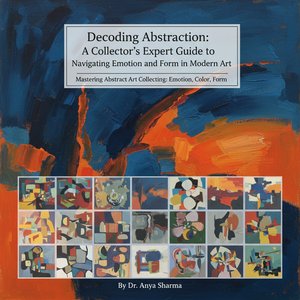 Dincolo de Reprezentare: Decodificarea Emoției și a Sensului în Arta Abstractă ModernăExplorează profunzimea artei abstracte moderne! Descoperă artiști iconici, stiluri revoluționare și simbolismul emoțional din spatele fiecă…