

 Vezi în context
 Trimite
 Distribuie
 Detalii
 Ghidul

 Descarcă
 Produse similare
 Radiografie
 Diaporama
 Statistici
Abordage d
 Oil On Canvas
- WallArt
- Romanticism
 19th Century
 150.0 x 280.0 cm
 Grand Palais
 Citește mai mult
Reproducere pictată manual în ulei
Pictură în ulei pe pânză, realizată manual de artiștii noștri la dimensiunea și ramele dorite de dumneavoastră, pe comandă. ( Comută pe versiunea Print Treci la imagine digitală)




P118B lei10

P118H lei10

P118W lei10

P438Z lei10

P508JH lei12

P508YH lei12

P805H lei10

P805Z lei10

P919BZ lei10

P919G lei10

P919XJ lei10

P959ZH lei10

P968JZ lei12

W106C lei8

W218G lei10

W218JH lei8

W218Y lei10

W307PJ lei10

W316G lei10

W316PJ lei8

W316Y lei10

W398PJ lei8

W4111J lei10

W500HY lei15

W500JH lei15

W692G lei12

W849H lei8

W940BG lei15

W953PJ lei8




Alegeți dintre dimensiunile noastre prestabilite, care respectă proporțiile originale ale operei de artă.

Introduceți lățimea și înălțimea de care aveți nevoie, pentru a se potrivi ramei sau peretelui dumneavoastră. Această lucrare este pictată manual, așa că pentru o dimensiune cu o formă diferită, artistul poate picta puțin mai mult în jurul imaginii sau poate tăia puțin din margini — dumneavoastră decideți. Vă vom trimite o simulare digitală pentru aprobare înainte de a începe pictarea. Imaginea afișată pe această pagină nu reprezintă rezultatul real — doar simularea este reprezentativă.
După plasarea comenzii, echipa OriginalUniqueArt.com va contacta clientul prin e-mail pentru instrucțiuni și îi va furniza o previzualizare a machetei
Livrare în întreaga lume () în 3-4 săptămâni, în loc de cele 5 săptămâni standard. (22 Octombrie). Fără compromisuri în ceea ce privește calitatea.

Livrare expres gratuită la nivel mondial

Pânză de in premium

Asigurare completă pentru transport

Garanție de rambursare a taxelor vamale

Garanția fidelității culorilor

Politica de retur în 100 de zile (doar pentru defecte)

Garanție de rambursare 100%

Reducere pentru comenzi multiple
 Opțiunea cu sticlă este disponibilă doar pentru dimensiuni de sub 110 cm

Abordage d
Tip de reproducere
Dimensiune reproducere
-


Preț total
lei 2313
A Storm of Valor: The Cinematic Grandeur of Biard’s Naval Conflict
In the heart of the chaos, amidst the splintering wood and the roar of battle, François Auguste Biard captures a moment of profound historical tension in Abordage d. This masterful work transports the viewer directly onto the deck of a vessel caught in the throes of a 1694 naval engagement. The scene is far from a static portrait; it is a living, breathing spectacle of movement and desperation. At the epicenter of this maritime struggle stands Captain Jean Bart, rendered in a striking, offensive red that pulls the eye through the swirling smoke and shadows. As privateers board the Dutch convoy, the painting vibrates with the energy of an imminent clash, inviting anyone who gazes upon it to feel the salt spray and the adrenaline of the fight.
Biard, an official marine painter of the 19th century, utilizes a style deeply rooted in Romanticism to heighten the emotional stakes of this historical event. The composition is intentionally crowded and dynamic, employing angled lines and an enclosed frame to create a sense of claustrophobia and intense focus. There is no easy escape from the action; the viewer is trapped within the deck's perimeter alongside the combatants. Through the masterful use of chiaroscuro, light breaks through unseen clouds to illuminate key figures, casting deep, dramatic shadows that accentuate the muscularity of the sailors and the rugged textures of the ship’s rigging. This interplay of light and dark does more than provide depth—it mirrors the moral and physical struggle between the pursuing privateers and the defending commanders.
The Artistry of Motion and Historical Resonance
Technically, Abordage d is a triumph of oil on canvas, showcasing Biard’s ability to manipulate texture to convey materiality. One can almost feel the rough grain of the weathered timber, the heavy weight of the soaked fabrics, and the cold glint of weaponry. The color palette is a sophisticated study in contrasts; the somber, cool blues and deep browns of the sea and shadows are pierced by the warm, urgent reds and golds of the central figures. This deliberate chromatic tension serves to guide the narrative flow, ensuring that even amidst the visual complexity, the story of Jean Bart’s legendary pursuit remains the focal point.
For the discerning collector or interior designer, this piece offers more than mere decoration; it provides a window into an era of maritime legend. The painting commemorates a pivotal moment when the seizure of wheat-laden Dutch vessels helped alleviate famine in France, turning a tactical maneuver into a celebrated feat of heroism. To hang such a reproduction is to introduce a sense of drama, history, and narrative depth into a space. It is a conversation piece that commands attention, offering an evocative atmosphere of adventure and resilience that can anchor a room with its profound emotional weight and classical elegance.
Întrebări și răspunsuri
Cum se încadrează „Abordage d” în temele și stilul lui Francois Auguste Biard?
„Abordage d” împarte cu celelalte opere ale lui Francois Auguste Biard stilul Romanticism și temele recurente: maritime adventure & heroism, 17th-century naval history, french privateering era, romantic battle depiction, biard's exotic subject matter, exploration and travel themes, early marine painting focus, illustrative of biard's style.
Pentru ce cameră este recomandată lucrarea "Abordage d" de Francois Auguste Biard?
Spațiul recomandat pentru "Abordage d" de Francois Auguste Biard este o Hotel Lobby. Sugestia poate fi, desigur, adaptată interiorului dumneavoastră.
Ce emoție transmite "Abordage d" de Francois Auguste Biard?
"Abordage d" este asociată cu un sentiment Dramatic. Tonul emoțional descrie impresia pe care o transmite lucrarea.
Biografie artist
The Adventurous Spirit of François Auguste Biard
François Auguste Biard stands as a singular figure in 19th-century French art, distinguished not merely by his prolific output but also by an audacious spirit—a willingness to embrace adventure and challenge conventional artistic norms. Born in Lyon in 1799 as François Thérèse Biard, he lived a life that defied the expectations of his clergyman father. Rather than pursuing the pulpit, Biard embraced a passion for painting that would propel him through Europe and beyond, shaping an oeuvre enriched by experiences gleaned from diverse cultures and landscapes. His legacy resides not only in his celebrated genre scenes but also in his pioneering role as one of the first European painters to document encounters with indigenous populations, a bold undertaking that foreshadowed developments in ethnographic art decades later.
Biard’s formative years were marked by a deliberate rejection of clerical ambitions, fueled by an innate artistic inclination. His early training began in the practical world of a wallpaper factory in Lyon, providing him with a foundational understanding of color and texture. Eventually, his talent led him to the prestigious École des Beaux-Arts, where he honed his skills under the tutelage of Pierre Révolet and later Fleury François Richard. These mentors championed a style rooted in keen observation and psychological insight. Unlike many of his contemporaries who were preoccupied with grand historical narratives or idealized mythological subjects, Biard focused on capturing the nuances of everyday life and portraying human emotions with an unflinching honesty that became a hallmark of his artistic identity.
A Journey Through Light and Landscape
Biard’s wanderlust propelled him across Italy, Greece, and the Middle East, each destination enriching his visual vocabulary and providing him with an unparalleled trove of material. However, it was his expedition to Spitzbergen and Lapland in 1839—accompanied by Léonie d’Aunet—that irrevocably transformed his artistic trajectory. This journey into the Arctic wilderness yielded hundreds of landscape sketches and portraits that captured the raw, biting heart of the North. In works such as Sami Camp, the viewer is transported far from the polished salons of Paris into a world defined by resilience and the elemental struggle for survival. Through the flickering glow of a central fire pit within a nomadic tent, Biard masterfully captures the intimacy of life in extreme environments.
His travels also allowed him to explore themes of maritime history and colonial encounters. As an official marine painter, he created powerful history paintings dedicated to famous sailors, such as Abordage d'un vaisseau, which depicts the intense confusion and drama of a naval battle involving Captain Jean Bart. His ability to balance warm and cold colors, combined with angled composition lines, allowed him to accentuate the kinetic energy of combat. This versatility—moving from the quiet, frozen landscapes of the Arctic to the high-stakes drama of the sea—demonstrates a technical range that few of his peers could match.
Legacy of Observation and Realism
The historical significance of Biard lies in his ability to blend the Romantic movement's emphasis on emotion and imagination with a burgeoning interest in realism. His paintings often feature opulent gatherings, such as Le salon de M. le comte de Nieuwerkerke, where he utilizes an academic style and rich colors to document the social strata of his time. Yet, even within these formal settings, there is a sense of authenticity and attention to detail that prevents the work from becoming mere decoration. Whether depicting the grand chandeliers of a French salon or the humble dwellings of indigenous tribes, Biard maintained a commitment to documenting the world as he saw it.
Ultimately, François Auguste Biard’s contribution to art history is defined by his role as an observer-explorer. His life's work serves as a visual bridge between the traditional European academic style and the modern era of ethnographic documentation. By bringing the distant corners of the globe into the view of the French public, he expanded the boundaries of what genre painting could achieve, leaving behind a body of work that remains as captivating and adventurous as the man himself.

Francois Auguste Biard
1799 - 1882
Informații rapide
- Full Name: François Auguste Biard
- Nationality: French
- Date Of Birth: 1799
- Date Of Death: 1882
- Place Of Birth: Lyon, France
- Notable Artworks:
- Abordage d
- Fight with Polar Bears
- Untitled
- Artistic Movement Or Style: Romanticism
- Artists Who Influenced This Artist:
- Pierre Révoil
- Fleury François Richard
- Artists Or Movements Influenced By This Artist: ['Théophile Gautier']
Articole conexe

Émile Jean Horace Vernet: Romantic Realism & Depicting 19th-Century Life
Explore the life & art of Émile Jean Horace Vernet, a master of Romantic Realism. Discover his captivating battle scenes, portraits, and Orientalist works – a window into 19th-century France. Learn about his techniques & enduring legacy.
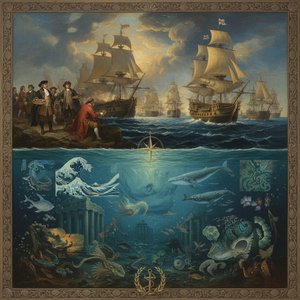
Navigating the Depths of Representation: A Historical Exploration of Marine Painting
Explore the rich history of marine painting with OriginalUniqueArt. Discover Dutch Masters, Romantic seascapes & renowned artists like Wyllie and Harris. Expert guidance for collectors & custom reproductions.

Romantic Realism's Finest: 10 Masterpieces for Your Home | OriginalUniqueArt
Explore 10 defining masterpieces of Romantic Realism! Discover Courbet, Millet & Daumier's powerful paintings—capturing emotion and social realities. Find museum-quality reproductions for your home at OriginalUniqueArt.com.

Capodopere ale Secolului al XIX-lea: 10 Lucrări de Artă Esențiale pentru Decorul Tău
Descoperă 10 capodopere ale secolului al XIX-lea! Explorează romantismul lui Delacroix, impresionismul lui Monet și realismul lui Courbet. Găsește inspirație pentru decorul tău cu reproduceri de artă de calitate muzeală pe OriginalUniqueArt.com.

The Evocative Embrace of Reality: Exploring Romantic Realism in 19th-Century Painting
Explore the captivating world of Romantic Realism! Discover key artists like Courbet & Millet, masterpieces, and the social context behind this influential art movement. Expert insights for collectors at OriginalUniqueArt.