Flemish Baroque · 1649
Falconry (Jacques D'Arthois, 1649)
Jacques D'Arthois (1613–1686) a realizat Falconry. Data sa este din 1649. Face parte din mișcarea Flemish Baroque. Este realizată în Oil On Canvas. Este păstrat la Colecțiile Statale de Pictură din Bavaria în Munchen, Germania. Dimensiunile sunt 135 × 206 cm.
- 1649
- Oil On Canvas
- 135 × 206 cm
- Colecțiile Statale de Pictură din Bavaria, Munchen

 Previzualizare

 Tablou în ulei pictat manual
 Trimite prin felicitare
 Distribuie
 Fișă informativă


 Descarcă imaginea
 Produse similare
 Radiografie
 Galerie foto
 Întrebări și răspunsuri

 Statistici
Falconry, pe scurt
- Titlu
- Falconry
- Artist
- Jacques D'Arthois (1613–1686)
- Artist născut în
- Bruxelles, Belgia
- Date
- 1649
- Medium
- Oil On Canvas
- Dimensiuni
- 135 × 206 cm
- Unde poate fi vizualizată
- Colecțiile Statale de Pictură din Bavaria, Munchen, Germania
- Mișcare
- Flemish Baroque
- Perioadă
- Early Modern
- Subiect
- people, horse, tree, forest, sky, landscape
Ce reprezintă Falconry?
The Depiction of Falconry by Jacques D' Arthois
In Falconry by Jacques D' Arthois, a classical hunting scene unfolds within a dense, shadowed woodland. The air feels heavy with the anticipation of the chase as figures on horseback and on foot move through a clearing. They push toward a distant landscape, their presence cutting through the thick vegetation. This moment captures the very essence of the pursuit, where the stillness of the forest meets the sudden movement of the hunt. It is a scene that speaks to the ancient connection between nobility and the wild, placing the viewer directly into the heart of the action.
Painted about 1649, the work focuses on the tension inherent in the hunt. The figures navigate the undulating terrain, their forms silhouetted against the light of the clearing. There is a sense of purpose in their movement, a drive that mirrors the natural instincts of the animals involved. The landscape itself seems to participate in the drama, with overhanging trees framing the central activity and directing the eye toward the unfolding event. Nature is not merely a backdrop here; it is an active participant in the pursuit, providing both the stage and the obstacles for the hunters.
The subject matter reaches beyond a simple depiction of sport to touch upon deeper themes of nature and the structured life of the nobility. Every movement in the clearing suggests a world governed by the rules of the hunt and the rhythms of the forest. As the figures advance, the tension of the chase lingers in the air, leaving one to wonder what lies just beyond the next thicket of trees. The scene remains suspended in this state of motion, caught between the quiet of the woods and the sudden energy of the hunt.
Composition and Visual Elements of the Work
The scene unfolds within a dramatic, large-scale landscape where the eye is immediately drawn into the heart of the woods. Massive, dark trees overhang the foreground on both the left and right sides, acting as a natural frame that pushes the viewer's gaze toward the center of the action. These heavy, shadowed branches create a sense of enclosure, making the clearing ahead feel like a stage set for the hunt. In the mid-ground, the stillness of the forest is broken by a group of figures moving through the light. Some ride upon horseback while others travel on foot, all navigating the undulating terrain as they push toward the horizon.
A monochromatic palette of grayscale tones defines the entire vista, stripping away color to focus entirely on the interplay of light and shadow. The light descends from the upper center, casting long, sweeping shadows across the forest floor and highlighting the movement of the hunters. This celestial glow creates a profound sense of depth through atmospheric perspective. As the eye travels toward the background, the distant hills and trees lose their sharp edges, becoming lighter and increasingly less detailed as they recede into the misty distance.
Technique and Material Composition
The scene unfolds through the medium of oil on canvas, where every stroke works to build a sense of tangible reality. The artist employs chiaroscuro to manipulate light and shadow, casting deep, dark tones into the recesses of the foliage to create a profound sense of volume and drama. This interplay of light and dark guides the eye through the woodland, making the figures and the terrain feel heavy and present within the space.
Fine brushwork brings a remarkable level of detail to the surface, allowing the viewer to feel the textures of the natural world. The rough, rugged bark of the overhanging trees in the foreground contrasts sharply with the soft, billowing forms of the clouds drifting through the sky. Even the distant hills benefit from this meticulous application, as atmospheric perspective lightens the landscape to suggest a vast, receding distance. Every element, from the organic curves of the tree trunks to the undulating earth, is rendered with a precision that breathes life into the monochromatic landscape.
The Artistic Style of Jacques D' Arthois
The brushstrokes reveal a man deeply attuned to the quiet rhythms of the forest. In this work, the landscape does not merely exist; it breathes with an idealized harmony that seeks to find peace within the wild. The woods around Brussels provide the essential soul for such scenes, offering a lush, verdant stage where nature feels both untamed and perfectly balanced. Every thicket and clearing seems to hold a sense of stillness, as if the world has paused to observe the movement of the hunt.
A particular mastery emerges in the way the light clings to the organic textures of the woodland. The tree trunks, heavy and ancient, are rendered with a tactile precision that invites the eye to wander over every ridge of bark. There is a specific, delicate skill in the way moss and ivy cling to these wooden pillars, adding layers of life to the stationary giants. These creeping greens and soft textures create a sense of depth, making the forest feel like a living, breathing entity rather than a mere backdrop for the figures passing through it.
The composition relies on a careful interplay between the dense, shadowed foliage of the foreground and the lighter, more open spaces of the mid-ground. This creates a natural rhythm that guides the eye through the thickets. The figures move through the clearing not as intruders, but as part of a larger, harmonious cycle of life. The interplay of light and shadow gives the scene a weight and volume that makes the atmosphere feel palpable, as if the very air of the Belgian countryside is caught within the frame.
The Artistic Influence and Legacy of D' Arthois
The echoes of his brushwork ripple through the history of Flemish landscape painting. As one of the few landscape painters from Brussels during the 17th century, he holds a singular position in the artistic landscape of his time. His presence in the art world is felt through the many hands that seek to replicate his vision. His style is not a solitary note but a melody that many other landscape artists choose to follow, imitating his specific approach to the natural world. This imitation ensures that his aesthetic remains a recurring theme in the evolution of the genre.
His fame does not fade with the passing of centuries. Instead, his reputation remains remembered, a lingering presence in the annals of art history. The way he captures the essence of the woods and the movement of figures creates a standard that others strive to meet. His influence is a quiet, persistent force, shaping how subsequent generations perceive the interplay of light and shadow within a wooded setting. He remains a vital link in the development of the Flemish tradition, leaving a mark that continues to be recognized long after his era has passed.
În ce muzeu se află Falconry?
Colecțiile Statale de Pictură din Bavaria
Munchen, Germania
Moștenirea Colecțiilor Statale de Pictură din Bavaria Colecțiile Statale de Pictură din Bavaria, situate în München, Germania, și-au început istoria instituțională în anul 1799, sub denumirea de Centralgemäldegaleriedirektion. Această fundație a stabilit un cadru esențial pentru conservarea artei europene, un efort care continuă să definească peisajul cultural al orașului. Rădăcinile colecției se întind până în secolul al XVI-lea, posesa fiind de piese remarcabile care datează din perioada lui William IV (1508-1550).
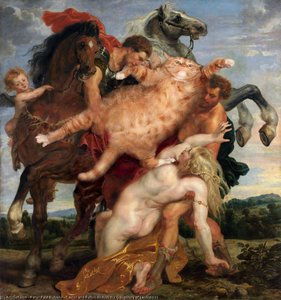


Imagini la înaltă rezoluție ale lui Falconry

Domeniu public: artistul a decedat în 1686.
Alte dimensiuni, cadrări și citări →Jacques D'Arthois, Falconry (1649), Colecțiile Statale de Pictură din Bavaria. Domeniu public
Întrebări despre Falconry, răspunsuri
În ce muzeu se află originalul "Falconry"?
"Falconry" de Jacques D'Arthois este expusă la Colecțiile Statale de Pictură din Bavaria, Munchen, Germania. Mențiunea muzeului se referă la lucrarea originală, nu la reproduceri.
În ce an a fost creată "Falconry" de Jacques D'Arthois?
Opera "Falconry" de Jacques D'Arthois a fost creată în 1649.
În ce tehnică este realizată lucrarea "Falconry" de Jacques D'Arthois?
Jacques D'Arthois a utilizat tehnica Oil On Canvas pentru "Falconry". Tehnica definește natura materială a lucrării originale.
Care sunt dimensiunile originalului "Falconry" de Jacques D'Arthois?
Dimensiunile înregistrate pentru "Falconry" de Jacques D'Arthois sunt 135.0 x 206.0cm. Reproducerile pot fi comandate în alte dimensiuni, păstrând aceleași proporții.
Ce reprezintă "Falconry"?
Subiectele din "Falconry" sunt people, horse, tree, forest, sky, landscape, clouds.
Este "Falconry" în domeniul public?
Statusul drepturilor de autor pentru "Falconry" de Jacques D'Arthois: opera este în domeniul public – drepturile de autor au expirat. Acest lucru determină dacă reproducerile imaginii pot fi realizate liber.
Cine a creat "Falconry"?
„Falconry” este atribuit lui Jacques D'Arthois.
Din ce curent artistic face parte "Falconry" de Jacques D'Arthois?
Mișcarea asociată cu "Falconry" de Jacques D'Arthois este Flemish Baroque. Această clasificare plasează lucrarea printre artiști și opere de artă conexe.
Din ce perioadă a carierei lui Jacques D'Arthois face parte „Falconry”?
"Falconry" reprezintă perioada Mature Period a lui Jacques D'Arthois.
Despre artistul Jacques D'Arthois

1613–1686, Belgia
Jacques D'Arthois
Un maestru al scenelor pădurii din Bruxelles: Viața și arta lui Jacques d’Arthois Jacques d'Arthois, născut la Bruxelles în 1613, a apărut într-o perioadă vibrantă pentru arta flamandă—un moment în care pictura de peisaj câștiga treptat importanță, alături de tradițiile consacrate ale portretului și ale picturii istorice. Deși nu a fost la fel de celebru ca unii dintre contemporanii săi, d’Arthois și-a creat o nișă semnificativă prin reprezentările sale meticulos detaliate ale peisajelor silvastre, populate de figuri engaged în viața de zi cu zi sau în activități pastorale. Cariera sa s-a desfășurat pe fundalul unor agitații politice și religioase, însă a reușit să cultive un stil constant, care a rezonat cu patronii care căutau atât frumusețea, cât și liniștea în mediul lor înconjurător. Ucenit la Jan Mertens în 1625, detaliile formării sale timpurii rămân parțial obscure; totuși, este clar că d'Arthois a dezvoltat rapid o afinitate pentru redarea lumii naturale cu o precizie remarcabilă.
Despre Jacques D'Arthois Lucrări remarcabile ale lui Jacques D'Arthois
Alte lucrări ale lui Jacques D'Arthois
 Family Group in a Landscape1645
 Extensive forest landscape with St. Stanisław Kostka1665
 Landscape with Entrance to a Forrest1650
 The Ford in the Forest1660

Eseuri despre Falconry
 Masterpieces of Hugo van der Goes: The Top 25 Essential ArtworksExplore the top 25 masterpieces by Hugo van der Goes. Discover Flemish Realism icons and explore the full collection online at OriginalUniq…
 Masterpieces of Nature: The Top 25 Charles-François Daubigny ArtworksExplore 25 iconic works by Charles-François Daubigny. Discover Barbizon School masterpieces on OriginalUniqueArt.com.
 French Barbizon paintersMasterpieces by Théodore Rousseau and Daubigny define the Barbizon School. Explore the full collection online at OriginalUniqueArt.com.