1872
Thermopylae (Edward Lear, 1872)
Edward Lear (1812–1888) a realizat Thermopylae. Data sa este din 1872. Este păstrat la Muzeul Ashmolean de Artă și Arheologie în Oxford, Regatul Unit. Dimensiunile sunt 34 × 54 cm.
- 1872
- 34 × 54 cm
- Muzeul Ashmolean de Artă și Arheologie, Oxford

 Previzualizare

 Tablou în ulei pictat manual
 Trimite prin felicitare
 Distribuie
 Fișă informativă


 Descarcă imaginea
 Produse similare
 Radiografie
 Galerie foto
 Întrebări și răspunsuri

 Statistici
Thermopylae, pe scurt
- Titlu
- Thermopylae
- Artist
- Edward Lear (1812–1888)
- Artist născut în
- Londra, Regatul Unit
- Date
- 1872
- Dimensiuni
- 34 × 54 cm
- Unde poate fi vizualizată
- Muzeul Ashmolean de Artă și Arheologie, Oxford, Regatul Unit
- Perioadă
- 19th Century
- Subiect
- landscape, mountains, nature, people, vista, outdoors
Ce reprezintă Thermopylae?
A Vista of Eternal Grandeur
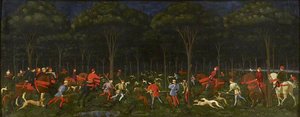
In his 1872 masterpiece, Thermopylae, Edward Lear invites the viewer to step beyond the boundaries of the everyday and into a realm where the majesty of the earth meets the quiet contemplation of the human spirit. The painting presents a breathtaking panorama, capturing a group of figures perched upon a verdant hilltop, their gazes lost in the infinite expanse of a distant mountain range. There is a profound sense of scale at play here; the vastness of the horizon serves as a silent protagonist, dwarfing the small assembly of people while simultaneously connecting them to the ancient, rugged landscape. Lear, a master of capturing both the whimsical and the sublime, uses this composition to explore the delicate equilibrium between humanity and the untamed natural world.
The technique employed in this work reflects the exquisite precision characteristic of the Victorian era's fascination with landscape realism. Through a masterful application of light and shadow, Lear breathes life into the undulating terrain, creating a sense of depth that pulls the eye from the textured foreground toward the hazy, ethereal peaks of the far distance. The brushwork, while controlled, possesses an organic fluidity that mimics the movement of wind through the valleys and the soft diffusion of light across the mountain slopes. For the discerning collector or interior designer, this piece offers a sophisticated interplay of color and atmosphere, making it an ideal focal point for spaces that require a sense of tranquility and intellectual depth.
The Soul of the Landscape
Beyond its visual splendor, Thermopylae resonates with a deep emotional intelligence. The figures within the scene are not merely spectators; they are embodiments of awe. Their presence imbues the landscape with a narrative of shared experience and quiet reverence. There is an inherent symbolism in the choice of the Thermopylae setting—a location steeped in historical weight—yet Lear strips away the violence of conflict to focus on the enduring, peaceful permanence of the earth itself. The painting suggests that even amidst the fleeting nature of human life, there exists a monumental beauty that remains unchanged by time.
For those seeking to curate an environment of inspiration, this reproduction serves as more than just decoration; it is a window into a moment of pure connection. The soft palette and sweeping vistas evoke a feeling of "the sublime," a concept central to 19th-century Romanticism, where the beauty of nature inspires both wonder and a touch of melancholy. Integrating such a work into a home or gallery space provides an anchor of serenity, inviting guests to pause, breathe, and reflect upon the magnificent scale of the world around them.
În ce muzeu se află Thermopylae?
Muzeul Ashmolean de Artă și Arheologie
Oxford, Regatul Unit
Origini și Istoria Muzeului Povestea Muzeul Ashmolean de Artă și Arheologie a pris amplas de la colecția personală a lui Elias Ashmole, un anticar pasionat care și-a dăruit tezaurele sale Universității în anul 1677. Acest gest de generozitate a pus temelia pentru ceea ce avea să devină primul muzeu public din Marea Britanie. Prima clădire a fost ridicată între anii 1678 și 1683 pentru a adăposti aceste curiozități, printre care se numărau monede romane și mumii egiptene, iar instituția s-a deschis oficial pentru public pe data de 21 mai 1683.


Imagini la înaltă rezoluție ale lui Thermopylae
Domeniu public: artistul a decedat în 1888.
Edward Lear, Thermopylae (1872), Muzeul Ashmolean de Artă și Arheologie. Domeniu public
Întrebări despre Thermopylae, răspunsuri
Unde pot vedea originalul "Thermopylae" de Edward Lear?
"Thermopylae" de Edward Lear este expusă la Muzeul Ashmolean de Artă și Arheologie, Oxford, Regatul Unit. Mențiunea muzeului se referă la lucrarea originală, nu la reproduceri.
În ce an a fost creat "Thermopylae" de Edward Lear?
„Thermopylae” datează din 1872. Această dată plasează lucrarea în cadrul carierei lui Edward Lear și în contextul epocii sale.
Care sunt dimensiunile originalului "Thermopylae" de Edward Lear?
„Thermopylae” măsoară 34 x 54 cm în formatul său original. Dimensiunile originale reprezintă o referință utilă atunci când alegeți dimensiunea unei reproduceri.
Ce subiecte sunt reprezentate în "Thermopylae" de Edward Lear?
Subiectele din "Thermopylae" sunt landscape, mountains, nature, people, vista, outdoors.
"Thermopylae" de Edward Lear face parte din domeniul public?
"Thermopylae" de Edward Lear este în domeniul public (în domeniul public – drepturile de autor au expirat). Acest statut reglementează modul în care imaginea lucrării poate fi reprodusă.
Cine este artistul din spatele "Thermopylae"?
Artistul din spatele operei „Thermopylae” este Edward Lear. Lucrarea este catalogată sub numele lui Edward Lear.
În ce etapă a evoluției lui Edward Lear se încadrează „Thermopylae”?
"Thermopylae" reprezintă perioada Mature Period a lui Edward Lear.
La ce vârstă a creat Edward Lear opera „Thermopylae”?
Edward Lear a creat "Thermopylae" la vârsta de 60. Artistul s-a născut în 1812, iar lucrarea datează din 1872.
Care este motivul statutului drepturilor de autor pentru "Thermopylae"?
„Thermopylae” de Edward Lear este în domeniul public – drepturile de autor au expirat. Termenul de protecție a drepturilor de autor se calculează de la data decesului artistului, iar Edward Lear a decedat în 1888.
Despre artistul Edward Lear

1812–1888, Regatul Unit
Edward Lear
A Life Painted in Nonsense and Light Edward Lear, a name inextricably linked with whimsical verse and delightfully peculiar illustrations, was far more than simply the creator of limericks and fantastical creatures. Born in 1812 in Holloway, North London, into a family teeming with twenty-one children – a truly remarkable number for the time – his early life was shaped by both financial instability and an undeniable artistic talent. His father, Jeremiah Lear, faced considerable hardship following the Napoleonic Wars, forcing young Edward to begin earning a living through his drawings at the tender age of fifteen. This early necessity, however, ignited a lifelong passion that would propel him across continents, capturing the world in vibrant hues and playful lines.
Alte lucrări ale lui Edward Lear
 Cogoleto, Italy
 Crescenza
 Blue And Yellow Macaw
 View of Taormina in Sicily with Etna in the distance1852
Eseuri despre Thermopylae
 Whispers of Antiquity: The Ethereal Beauty of Ruins in Impressionist ArtStep into a world where time meets light. Explore the enchanting beauty of ruins in Impressionist masterpieces. At OriginalUniqueArt.com, w…
 25 Masterpieces of Giorgio de Chirico: Exploring Metaphysical ArtStep into the haunting dreamscapes of Giorgio de Chirico. Explore 25 iconic Metaphysical paintings, from eerie shadows to surrealist enigma…
 Top 25 de Capodopere James Abbott McNeill Whistler: Artă, Istorie și Decor ExcepționalDescoperă top 25 de picturi James Abbott McNeill Whistler, maeștri ai impresionismului și esteticismului. Explorează nocturnele, portretele…