
 Previzualizare
 Trimite prin felicitare
 Distribuie
 Detalii despre lucrare
 Ghid
Ghid

 Descarcă imaginea
 Produse similare
 Radiografie
 Galerie foto
 Întrebări și răspunsuri
 Statistici
The twelfth


 Vezi mai mult
Lucrarea de artă afișată pe această pagină este protejată de legile privind drepturile de autor, ceea ce înseamnă că nu putem crea sau vinde în mod legal o reproducere identică. Această protecție este garantată prin acorduri internaționale, precum Convenția de la Berna și de legile naționale, inclusiv cele prevăzute de Legea dreptului de autor din S.U.A. – Titlul 17. Toate drepturile rezervate. Orice reproducere neautorizată este interzisă.
Această metodă respectă pe deplin reglementările privind drepturile de autor, deoarece nu implică copierea sau duplicarea operei protejate. În schimb, este o reinterpretare creativă – o pictură nouă, influențată de original, dar care nu este identică cu acesta.
Giclée / Imprimare artistică
Printuri giclée sau pe canvas de calitate muzeală, cu proces de producție rapid și opțiuni flexibile de finisare. ( Comandă pictură realizată manual Comută pe Imagine Digitală)




P118B lei10

P118H lei10

P118W lei10

P438Z lei10

P508JH lei12

P508YH lei12

P805H lei10

P805Z lei10

P919BZ lei10

P919G lei10

P919XJ lei10

P959ZH lei10

P968JZ lei12

W106C lei8

W218G lei10

W218JH lei8

W218Y lei10

W307PJ lei10

W316G lei10

W316PJ lei8

W316Y lei10

W398PJ lei8

W4111J lei10

W500HY lei15

W500JH lei15

W692G lei12

W849H lei8

W940BG lei15

W953PJ lei8




Alegeți dintre dimensiunile noastre prestabilite, care respectă proporțiile originale ale operei de artă.

Introduceți lățimea și înălțimea necesare pentru a se potrivi ramei sau peretelui dumneavoastră. O printare poate fi doar tăiată, niciodată extinsă dincolo de dimensiunea imaginii originale, astfel încât o dimensiune cu o formă diferită va pierde o parte din imagine. Vă trimitem o simulare digitală pentru aprobare înainte de a imprima orice. Imaginea afișată pe această pagină nu prezintă tăierea reală — doar simularea arată acest lucru.
Livrare în întreaga lume () în 2 săptămâni, în loc de cele 4/5 săptămâni standard. (14 Noiembrie)

Livrare expres gratuită la nivel mondial

Pânză de in de înaltă calitate

Asigurare completă pentru transport

Garanție de rambursare a taxelor vamale

Garanția fidelității culorilor

Politica de retur în 100 de zile (doar pentru defecte de fabricație)

Garanție de rambursare 100%

Ofertă pentru comenzi multiple
 Opțiunea cu sticlă este disponibilă doar pentru dimensiuni de sub 110 cm

The twelfth
Giclée / Imprimare artistică
Dimensiune reproducere
-


Preț total calculat
lei 384
A Symphony of Color and Perception
In the vibrant tapestry of twentieth-century art, few works capture the sheer joy of visual discovery quite like David Hockney’s “The Twelfth.” Painted in 1973, this masterpiece serves as a profound testament to the artist's lifelong commitment to capturing the essence of experience through a lens of brilliant color and simplified form. To gaze upon this composition is to enter a world where the boundaries between reality and abstraction dissolve into a rhythmic dance of shapes. Hockney does not merely seek to replicate the world; he seeks to translate the very feeling of sight itself, inviting the viewer to participate in a sensory celebration that mirrors the immediacy of human perception.
The painting presents an enchanting arrangement of geometric elements, where large, sweeping circles and smaller, scattered discs create a sense of celestial movement across the canvas. A central, vase-like silhouette anchors the composition, providing a structural heartbeat amidst the swirling blues and energetic accents of orange and yellow. This deliberate reduction of detail—a technique Hockney famously referred to as “joinery”—allows the viewer to focus on the pure emotional resonance of color. By stripping away the clutter of meticulous realism, Hockney achieves an uncanny sense of presence, evoking the warmth of sunlight filtering through a garden or the tranquil stillness of a summer afternoon.
The Legacy of British Pop and Modern Vision
Emerging from the burgeoning energy of the British Pop Art movement, “The Twelfth” embodies a pivotal moment in art history when creators began to reject the heavy intellectualism of Abstract Expressionism in favor of something more democratic and accessible. Drawing inspiration from the visual language of popular culture—from advertising to the bold graphics of comic books—Hockney infused his work with a vitality that felt both modern and deeply personal. This piece stands as a bridge between the structured traditions of his training at the Royal College of Art and the liberated, experimental spirit of the 1970s.
For the discerning collector or interior designer, this artwork offers much more than mere decoration; it provides a focal point of intellectual and aesthetic depth. The painting’s ability to harmonize cool, tranquil blues with sudden bursts of warmth makes it an incredibly versatile piece for sophisticated modern interiors. Whether placed in a sun-drenched gallery or a contemporary living space, “The Twelfth” radiates an aura of optimism and clarity. It is a work that does not demand attention through complexity, but rather commands it through its profound ability to inspire wonder and a renewed appreciation for the beauty found in simple, observed truths.
Întrebări și răspunsuri
Ce nuanță dominantă străbate întregul "The twelfth" de David Hockney?
"The twelfth" tinde spre o nuanță de Warm Sunset Tones.
În ce încăpere este recomandată expunerea operei „The twelfth”, având în vedere paleta sa cromatică?
Paleta de culori Dark din "The twelfth" de David Hockney se armonizează perfect cu spațiul recomandat: un Living Room.
Care sunt culorile dominante în "The twelfth" de David Hockney?
"The twelfth" de David Hockney utilizează o paletă de culori Dark, având culoarea Mahogany (#ae5817) ca nuanță dominantă.
Biografie artist
Viața și primii ani ai lui David Hockney
David Hockney a venit pe lume pe 9 iulie 1937, în Bradford, West Yorkshire, Anglia. A crescut într-o familie de cinci copii, fiind al patrulea din grup. Tatăl său, Kenneth Hockney, lucra ca subiecți de contabilitate și fusese obiector de conștiință în timpul celui de-al Doilea Război Mondial. Mama sa, Laura, era metodistă și vegetariană strictă. Acești ani de început au fost petrecuți în peisajul industrial al Yorkshire, un loc marcat de fabrici de cărămidă și piețe aglomerate.
Educația sa a început la Școala Primară Wellington și a continuat la Bradford Grammar School. În această perioadă, mediul din jurul orașului Bradford i-a modelat modul de a vedea lumea. Asprimea inimii industriale și lumina specifică a regiunii au oferit fundalul perfect pentru anii săi de formare. A fost copilul unei familii care prețuia gândirea independentă, fiind influențat de convingerile tatălui său în timpul războiului.
Formarea Artistică și Educația în Marea Britanie
Fundamentul practicii sale artistice a fost clădit prin ani de observație atentă a lumii înconjurătoare. Între 1953 și 1957, acesta a studiat la Bradford School of Art, o perioadă dedicată în întregime mecanicii privirii. Și-a petrecut timpul exersând desenul vie și portretura, perfecționând acele abilități tradiționale de observație care aveau să rămână centrale în opera sa timp de decenii. Există o accentuare profundă asupra preciziei liniei și a modului în care subiectul ocupă spațiul.
Trecând de la peisajul industrial al orașului Yorkshire la agitația Londrei, acesta a intrat în cadrul Royal College of Art. Aceasta a fost o etapă de intensă dezvoltare tehnică, în care a parcurs curriculumul cu un accent deosebit pe fundamentul formei și pe nuanțele subtile ale luminii. Până în 1962, a absolvit Royal College of Art, fiind laureat cu Medalia de Aur. Această recunoaștere a marcat sfârșitul educației sale formale în Marea Britanie și începutul unei cariere definite de o curiozitate constantă și neliniștită despre modul în care pot fi reprezentate lucrurile pe care le vede.
Mișcarea Pop Art și Los Angeles
Anul 1960 a marcat ascensiunea lui David Hockney ca o figură centrală în cadrul mișcării Pop Art. În timp ce alți reprezentanți ai acestui curent se lăsau seduși de estetica comercială a culturii de masă americane, abordarea sa a rămas profund personală. Mutarea sa de la Londra la Los Angeles în 1964 a reprezentat un moment de cotitură, o schimbare care i-a transformat radical percepția asupra culorii și a luminii. Lumina intensă a Californiei a devenit o prezență constantă în opera sa, eliminând treptat tonurile muted și temperate ale primilor ani de creație. El a început să documenteze farmecul orașului din perspectiva unui observator extern, concentrându-se pe modul în care lumina lovește suprafețele și pe acele nuanțe specifice, saturate, de albastru ale unei piscine.
Această perioadă este definită de fascinația sa pentru timpul liber și de geometria vieții suburbane. David Hockney și-a dedicat o mare parte din timp studiului modului în care apa se mișcă și se reflectă, o provocare artistică pe care a abordat-o prin celebra sa serie dedicată piscinelor. Aceste picturi au capturat liniștea hedonistă a vieții de lângă piscină prin linii clare și precise. Alegând să se îndepărteze de tendințele abstracte ale epocii, artistul a preferat să picteze oameni și obiecte recognoscibile. Lucrările sale din această eră explorează adesea intimitatea discretă a relațiilor și modul în care spațiul este perceput prin prisma unei lumini strălucitoare și directe.
- A Bigger Splash (1967)
- Beverly Hills Housewife (1966)
- Portrait of an Artist (Pool with Two Figures) (1972)
Tehnică și evoluția limbajului vizual
Opera lui David Hockney reprezintă o mișcare continuă între diverse moduri de a privi lumea. Artistul nu s-a limitat niciodată la constrângerile unui singur medium, explorând cu aceeași pasiune pictura, desenul, gravura și fotografia. Abordarea sa începe, de cele mai multe ori, prin observația directă și prin desenul vie, utilizând portretul pentru a studia modul în care trăsăturile unei fețe păstrează esența caracterului, dar experimentând, în același timp, cu structurarea spațiului. Prin utilizarea perspectivei inversate, el perturbă modul tradițional în care privim o scenă, creând un sentiment de adâncime care oferă o experiență distinctă față de cea a unei fotografii standard. Fotografia a servit adesea ca un mediu preparator, camera fiind utilizată pentru a captura o clipă efemeră înainte ca aceasta să fie transpusă pe pânză într-o pictură plină de viață.
Modul în care gestionează culoarea și lumina a evoluat odată cu schimbarea instrumentelor sale de lucru. În primii ani ai carierei, a apelat la picturile acrilice pentru a obține nuanțe saturate, în special atunci când surprindea mișcarea apei în piscinele însorite. Ulterior, a îndreptat privirea către mediile digitale; folosind tablete iPad, a început să reîntrupeze peisajele, găsind o metodă inovatoare de a capta lumina schimbătoare și culorile vibrante ale lumii naturale. Această tranziție de la pictura fizică la ecranele digitale demonstrează un interes persistent pentru modul în care tehnologia ne poate altera percepția asupra unui loc. Opera sa rămâne o cronică a acestor schimbări tehnice, de la linia precisă a unui desen până la compozițiile stratificate ale unui peisaj digital.
- A bigger splash (1967)
- Portrait of an Artist (Pool with Two Figures) (1972)
- The Arrival of Spring in Woldgate (fără dată)
Opere Cheie și Picturi Icoanice
Modul în care lumina lovește o suprafață dictează adesea direcția unei picturi. În 1961, We Two Boys Together Clinging a explorat intimitatea conexiunii prin prisma simbolismului și a textului. Această lucrare timpurie demonstrează o concentrare asupra relațiilor dintre oameni și a amprentelor lăsate de prezența lor. Ulterior, trecerea către culorile vibrante și saturate ale Californiei a schimbat modul în care apa era tratată pe pânză. A Bigger Splash, creată în 1967, surprinde un moment de mișcare într-o piscină, utilizând linii clare pentru a defini interacțiunea dintre lumină și lichid.
Punctul focal se mută adesea între peisaj și oamenii din interiorul acestuia. În 1971, Mr and Mrs Clark and Percy a adus împreună un sentiment de companie și caracter. Această abordare a portretului a continuat cu Portrait of an Artist (Pool with Two Figures în 1972, unde utilizarea fotografiei ca mediu preparator a ajutat la definirea aranjamentului spațial. Aceste opere dezvăluie un interes persistent pentru modul în care percepem spațiul și modul în care oamenii îl ocupă.
- We Two Boys Together Clinging (1961)
- A Bigger Splash (1967)
- Mr and Mrs Clark and Percy (1971)
- Portrait of an Artist (Pool with Two Figures) (1972)
Scenografia și Comenziile de Operă
Limbajul vizual pe care David Hockney l-a dezvoltat pe pânză a găsit adesea un ritm distinct în cadrul universului teatral. Munca sa în domeniul scenografiei a presupus perioade lungi de concentrare, care uneori se extindeau pe parcursul unui an pentru o singură producție. El a făcut tranziția de la suprafața plană a unei picturi la spațiul tridimensional al scenei, creând decoruri pentru opera Fluiersul magic de Mozart. Această evoluție a cerut o schimbare profundă în modul în care gestiona lumina și mișcarea, traducând pasiunea sa pentru perspectivă în medii capabile să susțină spectacolele de teatru live.
Implicarea sa în lumea operei a inclus punerea în scenă a titlului Progresul unui debil de Igor Stravinsky în 1975. Ulterior, în 1990, a creat designuri pentru Turandot de Giacomo Puccini. Aceste proiecte l-au obligat să reflecteze asupra modului în care un personaj traversează un spațiu și a modului în care un decor se poate transforma pe măsură ce muzica evoluează. De asemenea, și-a aplicat ochiul avizat pentru compoziție în domeniul modei, proiectând coperta și paginile ediției din decembrie 1985 a revistei Vogue franceză. În toate aceste ipoteze, accentul a rămas pe modul în care un subiect este încadrat și pe interacțiunea culorii cu privirea spectatorului.
Moștenire și Recunoaștere Globală
Greutatea unei cariere îndelungate se cristalizează, adesea, prin onorurile conferite de cele mai înalte instituții culturale. În anul 2000, David Hockney a fost desemnat laureat al premiului Praemium Imperiale pentru pictură, un tribut adus geniului său vizual. Ulterior, în 2003, a fost ales membru al Royal Society, o recunoaștere care a venit odată cu o prezență constantă în conștiința publică, evoluind de la primele zile ale mișcării Pop Art până la statutul de unul dintre cei mai influenți artiști britanici ai secolelor XX și XXI.
Locul său în peisajul cultural a fost marcat definitiv în 2018, când a fost numit membru al Ordinului Companion of Honour. Această distincție onorează decenii de creație care au pornit de la asprimea industrială a Yorkshire-ului, au călătorit prin lumina vibrantă a Californiei și au ajuns, în cele din urmă, în realmul digital al desenelor realizate pe iPad. Influența sa se simte nu doar în galeriile de artă, ci și în modul în care a redefinit percepția noastră asupra spațiului și a perspectivei, prin diversitatea mediilor pe care le-a explorat cu o curiozitate nesfârșită.
- A bigger splash (1967)
- American Collectors (Fred and Marcia Weisman) (1968)
- Portrait of an artist pool with two figures (1971)
- A bigger grand canyon (1998)
Unde pot fi admirate astăzi operele sale
Pentru a experimenta direct magia creației sale, un călător ar putea să viziteze Galeria 1853 de la Salts Mill, în Saltaire. Acest spațiu găzduiește numeroase dintre piesele sale, păstrând o legătură profundă cu peisajul industrial al tinereții sale. De asemenea, Fundația David Hockney administrează o colecție vastă de lucrări, asigurând conservarea unei părți semnificative din producția sa pentru cercetare și contemplare estetică.
Picturile și desenetele sale sunt împrăștiate prin numeroase instituții de renume, pe diverse continente. În Regatul Unit, colecția Tate cuprinde piese emblematice ale sale. Dincolo de Atlantic, prezența sa artistică este palpabilă în cadrul Metropolitan Museum of Art și în cadrul Muzeului de Artă Modernă. Aceste colecții adună diverse etape ale carierei sale, de la primele sale lucrări figurative până la explorările tardive ale luminii și culorii.
- A bigger splash
- American Collectors (Fred and Marcia Weisman)
- Portrait of an artist pool with two figures
- A bigger grand canyon
- Place furstenberg, paris
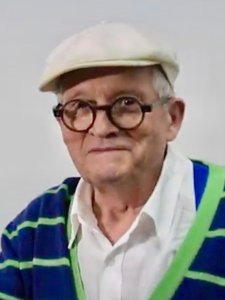
David Hockney
1937 - , Regatul Unit
Detalii rapide
- Artists Who Influenced This Artist: ['Frank Lisle']
- Date Of Birth: 1937
- Full Name: David Hockney
- Nationality: Britanic
- Notable Artworks:
- A Bigger Splash
- American Collectors
- We Two Boys Together Clinging
- Portrait of an Artist
- The Arrival of Spring in Woldgate
- Place Of Birth: Bradford, Regatul Unit
Articole similare

Mastering Abstraction: The Top 25 Essential Works by Wassily Kandinsky
Journey through the soul of abstraction with our curated guide to the top 25 Wassily Kandinsky masterpieces. Explore the vibrant colors and spiritual forms that defined modern art. Find museum-quality reproductions and decor inspiration. Discover all masterpieces on OriginalUniqueArt.com.
Dots & Screens: The Industrial Secrets Behind 1960s Pop Art Masterpieces
Explore the industrial secrets of 1960s Pop Art. Discover how Ben-Day dots and silk screening transformed mass media into masterpieces by Roy Lichtenstein. An in-depth look at the intersection of mechanical printing and fine art history for students and collectors.
Top 10 Capodopere Pictate în Tonuri de Piatră: Artă, Istorie și Decor Excepțional
Descoperă top 10 picturi celebre dominate de tonuri de piatră! Explorează capodoperele lui Rembrandt, Caravaggio și alți maeștri. Istorie, tehnică artistică & inspirație decor interior. Reproduceri tablouri de calitate muzeală pe OriginalUniqueArt.com
David Hockney: A Retrospective on Pop Art's Chronicler of Light, Space, and the Everyday
Explore the life & work of David Hockney, Pop Art's master chronicler. Discover his iconic paintings, Californian landscapes, and lasting influence on modern art. Expert analysis for collectors.

Masterpieces of Abstraction: The Top 25 Wassily Kandinsky Artworks
Explore 25 iconic Wassily Kandinsky masterpieces and the birth of abstraction. Discover the full collection online at OriginalUniqueArt.com.


