Impressionism · 1883
Cobeas (Claude Monet, 1883)
Claude Monet (1840–1926) a realizat Cobeas. Data sa este din 1883. Face parte din mișcarea Impressionism. Este realizată în Oil On Canvas.
- 1883
- Oil On Canvas

 Previzualizare

 Tablou în ulei pictat manual
 Trimite prin felicitare
 Distribuie
 Fișă informativă


 Descarcă imaginea
 Produse similare
 Radiografie
 Galerie foto
 Întrebări și răspunsuri

 Statistici
Cobeas, pe scurt
- Titlu
- Cobeas
- Artist
- Claude Monet (1840–1926)
- Artist născut în
- Paris, Franța
- Date
- 1883
- Medium
- Oil On Canvas
- Mișcare
- Impressionism
- Perioadă
- 19th Century
- Subiect
- floral impressionism, garden scene art, monet landscape, vibrant colors, nature painting, light and color
Ce reprezintă Cobeas?
A Symphony of Blossoms: Exploring Monet’s “Cobeas”
Claude Monet, a pivotal figure in the development of Impressionism, gifted the world with paintings that captured not just what he *saw*, but how light and atmosphere transformed his perceptions. Created in 1883, "Cobeas" is a captivating example of this artistic philosophy – a vibrant celebration of nature’s fleeting beauty rendered with characteristic looseness and brilliance. This artwork isn't merely a depiction of flowering vines; it’s an immersive experience of a sun-drenched garden, inviting the viewer to step into a world of color and light.Subject & Composition: A Garden in Full Bloom
“Cobeas” focuses on the cascading beauty of climbing flowers – likely cobaea vines, known for their bell-shaped blossoms – against a warm, golden backdrop. The composition is dynamically vertical, emphasizing the upward reach and exuberant growth of the plant. Rather than a meticulously detailed botanical study, Monet presents an *impression* of a garden scene. A sense of depth is suggested not through strict perspective, but through layering of color and form. The eye is drawn upwards along the vines, creating a feeling of movement and vitality.Impressionistic Technique: Capturing Fleeting Light
Monet’s mastery lies in his revolutionary technique. He eschewed traditional blending methods, instead employing short, broken brushstrokes to build up layers of color. This approach allows the colors to mix optically in the viewer's eye, creating a shimmering, vibrant effect that mimics the way light plays on natural forms. The use of complementary colors – deep purples and reds against yellows and greens – heightens the visual impact and adds to the painting’s overall luminosity. The texture is palpable; you can almost feel the warmth of the sun and the gentle breeze rustling through the leaves.Historical Context & Artistic Innovation
By 1883, Monet was firmly established as a leading figure in the Impressionist movement. He had already challenged academic conventions with his *plein air* painting – working outdoors directly from nature – and his focus on capturing momentary effects of light and color. “Cobeas” exemplifies this commitment. It’s a departure from the historical or mythological subjects favored by earlier artists, instead celebrating the beauty of everyday life and the natural world. This shift in subject matter was radical for its time and paved the way for modern art.Symbolism & Emotional Resonance
While not overtly symbolic, “Cobeas” evokes a sense of joy, abundance, and the ephemeral nature of beauty. The flowering vines represent growth, vitality, and the cyclical rhythms of life. The painting’s overall warmth and luminosity create a feeling of optimism and tranquility. It's an invitation to pause, appreciate the present moment, and find solace in the beauty that surrounds us. It is a testament to Monet’s ability to translate his personal experience of nature into a universally resonant emotional landscape.Bringing “Cobeas” Into Your Space
- Explore our collection of Claude Monet's paintings.
- Discover more about the fascinating world of Impressionism and its key artists.
- Learn about The Art of Painting Styles.
Imagini la înaltă rezoluție ale lui Cobeas
Domeniu public: artistul a decedat în 1926.
Claude Monet, Cobeas (1883). Domeniu public
Întrebări despre Cobeas, răspunsuri
În ce an a fost creată „Cobeas”?
„Cobeas” datează din 1883. Această dată plasează lucrarea în cadrul carierei lui Claude Monet și în contextul epocii sale.
Ce tehnică a fost utilizată pentru "Cobeas" de Claude Monet?
Claude Monet a utilizat tehnica Oil On Canvas pentru "Cobeas". Tehnica definește natura materială a lucrării originale.
Ce reprezintă "Cobeas" de Claude Monet?
"Cobeas" de Claude Monet surprinde: floral impressionism, garden scene art, monet landscape, vibrant colors, nature painting, light and color, french impressionism.
"Cobeas" de Claude Monet face parte din domeniul public?
Statusul drepturilor de autor pentru "Cobeas" de Claude Monet: opera este în domeniul public – drepturile de autor au expirat. Acest lucru determină dacă reproducerile imaginii pot fi realizate liber.
La ce artist este atribuită opera „Cobeas”?
„Cobeas” a fost creat de Claude Monet. Informațiile de pe această pagină descriu opera originală a lui Claude Monet.
Din ce curent artistic face parte "Cobeas" de Claude Monet?
Mișcarea asociată cu "Cobeas" de Claude Monet este Impressionism. Această clasificare plasează lucrarea printre artiști și opere de artă conexe.
Din ce perioadă a carierei lui Claude Monet face parte „Cobeas”?
"Cobeas" reprezintă perioada Mature Period a lui Claude Monet.
La ce vârstă a creat Claude Monet opera „Cobeas”?
Claude Monet a creat "Cobeas" la vârsta de 43. Artistul s-a născut în 1840, iar lucrarea datează din 1883.
Care este situația drepturilor de autor pentru "Cobeas" de Claude Monet?
Statutul drepturilor de autor pentru "Cobeas" - în domeniul public – drepturile de autor au expirat - este determinat de data decesului artistului, în anul 1926.
Despre artistul Claude Monet
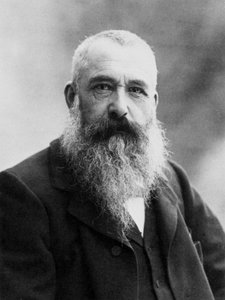
1840–1926, Franța
Claude Monet
Viața timpurie, familia și formarea artistică Născut la Paris, Franța, pe 14 noiembrie 1840, Claude Monet a pășit într-o lume a așteptărilor divergente. În timp ce tatăl său, Claude-Adolphe Monet, îi viziona un parcurs profesional mai stabil, mama sa, Louise-Justine Aubrée Monet, îi oferea un sprijin discret pentru inclinațiile sale creative emergente. În cele din urmă, familia s-a stabilit în Le Havre, în Normandia, unde atmosfera côtieră avea să lase o impresie durabilă asupra tânărului băiat. Această perioadă a copilăriei a fost marcată de un talent precoce pentru desen, o abilitate care, în cele din urmă, îl va îndepărta de interesele comerciale pe care tatăl său le prefera.
Despre Claude Monet Lucrări remarcabile ale lui Claude Monet
Alte lucrări ale lui Claude Monet
 Nuferi (sau Nympheas)1916
 Rasunetul zorii1872
 Baloturi de fân: Efectul zăpezii1891
 Plimbarea. Domnița cu parasol1875
Eseuri despre Cobeas
 Claude Monet’s Giverny: The Living Canvas of Impressionist Light and WaterExplore the luminous world of Monet's Giverny through expert historical insight. Step into his living canvas today.
 French artworks of the 1880sFrench Impressionist masterpieces by Claude Monet, Pierre-Auguste Renoir, and Georges Seurat. Find museum-quality reproductions on Original…
 Capturing Fleeting Moments: Light, Color & Emotion in Impressionistic ArtExplore the captivating world of Impressionism! Discover the techniques, artists (Monet, Renoir, Degas), and enduring legacy of this revolu…