

San Leonardo al Lago: A Tuscan Sanctuary of Faith and Frescoes
Nestled within a verdant forest just outside Siena, Italy, San Leonardo al Lago is more than simply a historic hermitage; it’s an immersive experience—a journey into the heart of medieval Tuscany. This hidden gem, strategically positioned along the ancient Via Francigena pilgrimage route, offers a rare glimpse into a world where spirituality and artistic expression intertwined seamlessly. The site's tranquil setting, punctuated by the serene waters of Lake Verano (now Pian del Lago), immediately evokes a sense of peace and contemplation, inviting visitors to step back in time and connect with centuries of devotion.
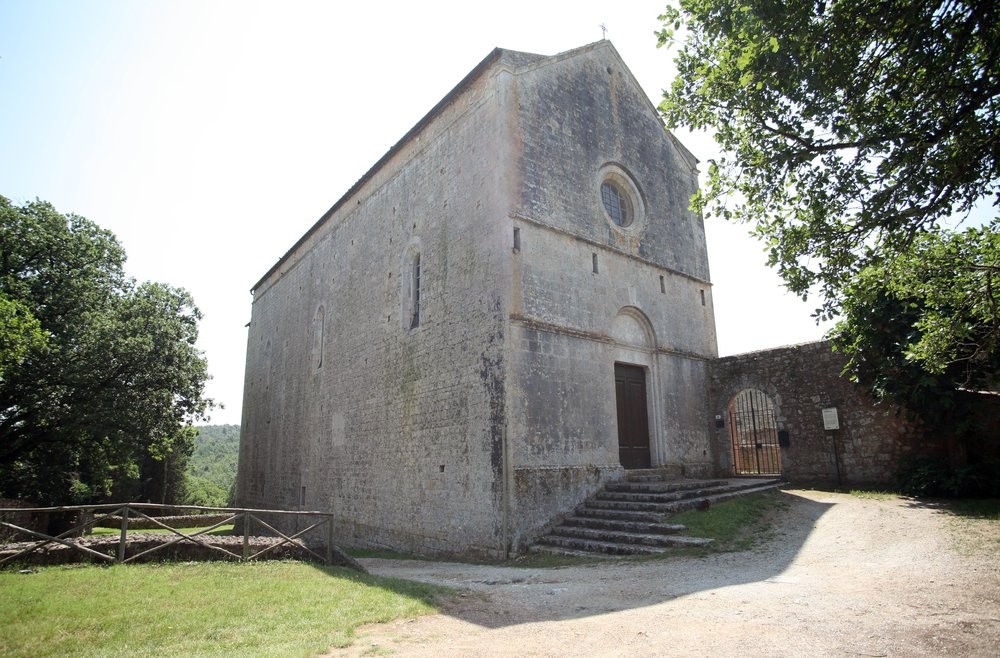
The origins of San Leonardo al Lago are shrouded in a captivating blend of legend and historical fact. While precise founding dates remain elusive, the current structure reflects significant development during the 14th century, evolving from a modest place of solitude for monks into a substantial hermitage capable of hosting pilgrims seeking respite on their spiritual journeys. The architecture itself is a testament to Tuscan Romanesque style—characterized by its robust simplicity and harmonious integration with the surrounding landscape. The building’s sturdy walls and rounded arches speak to a time when practicality and faith were equally valued, creating an atmosphere that feels both grounded and profoundly moving.
A Treasury of Sienese Frescoes
The true heart of San Leonardo al Lago lies within its remarkable collection of frescoes—a vibrant testament to the artistic prowess of two masters: Lippo Vanni and Giovanni di Paolo. These aren’t merely decorative paintings; they are windows into a medieval worldview, offering profound insights into religious beliefs, narrative storytelling, and the evolving techniques of Sienese painting. Lippo Vanni, a key figure in the early Renaissance, demonstrates an extraordinary command of color and composition, his frescoes depicting scenes from the life of the Virgin Mary with a luminous quality that seems to radiate outwards. His work is particularly notable for its use of perspective and its ability to evoke a sense of depth within the relatively small chapel space.
In contrast, Giovanni di Paolo’s contributions possess a distinctive, almost otherworldly quality. Known for his elongated figures, intense colors—particularly deep reds and blues—and dramatic compositions, Giovanni's frescoes imbue the hermitage with a unique spiritual dimension. His depictions of the Crucifixion, housed in the refectory, are particularly arresting, conveying an overwhelming sense of pathos and sacrifice. The vibrant hues and stylized forms create a powerful emotional impact, drawing viewers into the heart of the narrative.
A Pilgrimage Route and Spiritual Legacy
San Leonardo al Lago’s significance extends far beyond its artistic treasures. Its location along the Via Francigena—one of Europe's most important pilgrimage routes—adds a layer of profound cultural and historical context. For centuries, pilgrims from across Christendom traversed this path, seeking spiritual enlightenment and solace. The hermitage served as a vital stopover point, offering shelter, sustenance, and a place for reflection. Walking the same paths as these devout travelers creates a tangible connection to the past, fostering a sense of shared faith and experience.
Unique Qualities: Serenity, History, and Artistic Rarity
What truly distinguishes San Leonardo al Lago is its unique combination of elements. The serene location within the Tuscan forest provides an immediate escape from the hustle and bustle of modern life, fostering a sense of tranquility and contemplation. The preservation of the building and its frescoes represents a remarkable achievement—a testament to the dedication of those who recognized their historical and artistic value. Furthermore, the collection itself is exceptionally rare, offering a glimpse into the artistic trends of the 14th century in Siena – a period marked by both innovation and deep religious devotion. Visiting San Leonardo al Lago is not simply a museum visit; it’s an opportunity to connect with history, art, and spirituality on a deeply personal level.
Further Exploration
- Siena:** Explore the historic city of Siena, just a short distance away, known for its stunning Duomo and Piazza del Campo. ( Wikipedia )
- Via Francigena:** Trace the route of the Via Francigena, a network of ancient roads that connected Rome to Canterbury.
- Lippo Vanni:** Discover more about Lippo Vanni’s artistic style and other works. ( Wikipedia )
- Giovanni di Paolo:** Learn about Giovanni di Paolo's distinctive iconography and his role in Sienese painting. ( Wikipedia )