Uma Sinfonia do Maneirismo: Revelando o Palazzo del Te em Mântua
Situado logo além das muralhas de Mântua, na Itália, o Palazzo del Te ergue-se como um testemunho deslumbrante da arte renascentista e da inovação arquitetônica. Mais do que um simples palácio, trata-se de uma experiência imersiva — uma jornada pela mente de Giulio Romano, o brilhante pupilo de Rafael, e uma reflexão profunda sobre o poder, o lazer e a própria natureza da ilusão. Construída entre 1524 e 1534 para Federico II Gonzaga, o astuto e ambicioso Marquês de Mântua, esta obra-prima suburbana serviu inicialmente como um refúgio privado — um espaço concebido para personificar o estilo de vida opulento de seu patrono e exibir sua crescente autoridade. Hoje, acolhe visitantes de todo o mundo, oferecendo um vislumbre inigualável de um momento crucial na história da arte.
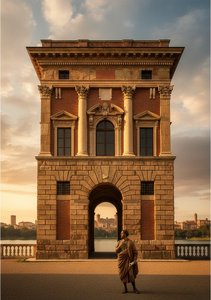
A gênese do palácio está enraizada na ambição da família Gonzaga e no uso estratégico da paisagem. O próprio local — uma ilha conectada à cidade por uma ponte — foi escolhido por seu relativo isolamento e proximidade com as zonas pantanosas, proporcionando tanto privacidade quanto acesso a recursos. Romano recebeu a tarefa de transformar este local humilde em um espetáculo deslumbrante, fundindo elementos da arquitetura palaciana com a estética mais relaxada de uma villa – uma escolha deliberada que sinalizava um afastamento da formalidade rígida em direção a uma abordagem de design mais dinâmica e lúdica. A estrutura resultante caracteriza-se por suas fachadas assimétricas, vãos irregulares e um jogo magistral de luz e sombra, criando uma atmosfera simultaneamente grandiosa e íntima.
A Sala dos Gigantes: Afrescos como Narrativa
O verdadeiro coração do Palazzo del Te reside em seus extraordinários afrescos, uma série de narrativas interconectadas que se desenrolam pelas inúmeras salas do palácio. Giulio Romano, ao lado de sua equipe de artesãos habilidosos, incluindo Benedetto Pagni e Rinaldo Mantovano, embarcou em um projeto ambicioso para transformar cada superfície em uma tela para o mito, a alegoria e o puro deleite visual. A Sala dos Gigantes é, sem dúvida, a mais famosa — um espetáculo caótico onde figuras colossais lutam contra deuses e demônos, criando uma sensação vertiginosa de movimento e drama. Aqui, o estilo característico de Romano – conhecido como Maneirismo – manifesta-se plenamente: formas alongadas, perspectivas distorcidas e uma ênfase na intensidade emocional em detrimento da representação realista.
Outros ciclos de afrescos notáveis incluem a Sala de Psiquê, retratando o apaixonado caso de amor da deusa com Cupido, e a Sala dos Cavalos, uma celebração vibrante da destreza equestre. Cada sala conta uma história, muitas vezes entrelaçada com temas mitológicos e sutis comentários políticos que refletem as ambições de Federico II Gonzaga. A escala e a complexidade desses afrescos são surpreendentes, exigindo uma observação cuidadosa para apreciar plenamente seus detalhes intrincados e significados em camadas. O uso do spezzato — uma técnica que envolve o uso deliberado de gesso imperfeito — adiciona profundidade e textura às superfícies, realçando ainda mais o efeito illusionista.
Além das Muralhas: Tesouros Mesopotâmicos
Embora os afrescos do palácio sejam indubitavelmente seu principal atrativo, o Palazzo del Te também abriga uma coleção fascinante de artefatos mesopotâmicos dentro do Museo Civico. Esta adição inesperada proporciona um contraste envolvente ao cenário renascentista, exibindo o interesse da família Gonzaga pelas civilizações antigas e suas conexões com narrativas históricas mais amplas. O acervo do museu inclui tábuas cuneiformes, selos cilíndricos, fragmentos de cerâmica e outros objetos que oferecem visões sobre a vida cotidiana, as crenças religiosas e as tradições artísticas da Mesopotâmia — uma civilização separada por milhares de anos da Itália renascentista.
Um Legado Preservado: História e Restauração
A história do Palazzo del Te é marcada tanto pelo triunfo quanto pela tragédia. Construído durante um período de intensa instabilidade política, testemunhou os eventos tumultuados da Guerra da Sucessão de Mântua em 1630, quando o palácio foi devastado pelas tropas imperiais. Apesar desse dano devastador, o palácio foi meticulosamente restaurado ao longo dos séculos, preservando seus tesouros artísticos para as gerações futuras. Hoje, o Palazzo del Te é um Patrimônio Mundial da UNESCO — um testemunho do poder duradouro da arte e da arquitetura. Ele continua a evoluir como um centro cultural, acolhendo exposições, programas educacionais e eventos que celebram sua rica história e legado artístico.
Uma visita ao Palazzo del Te é mais do que apenas um passeio turístico; é uma imersão em um mundo de ilusão, ambição e genialidade artística. Dos afrescos dramáticos à inesperada coleção de artefatos mesopotâmicos, este palácio notável oferece um vislumbre único ao coração da Itália renascentista — um lugar onde a arte, a história e a arquitetura convergem em uma experiência verdadeiramente inesquecível.