A Window into Portugal’s Dramatic Past: The National Theatre and Dance Museum
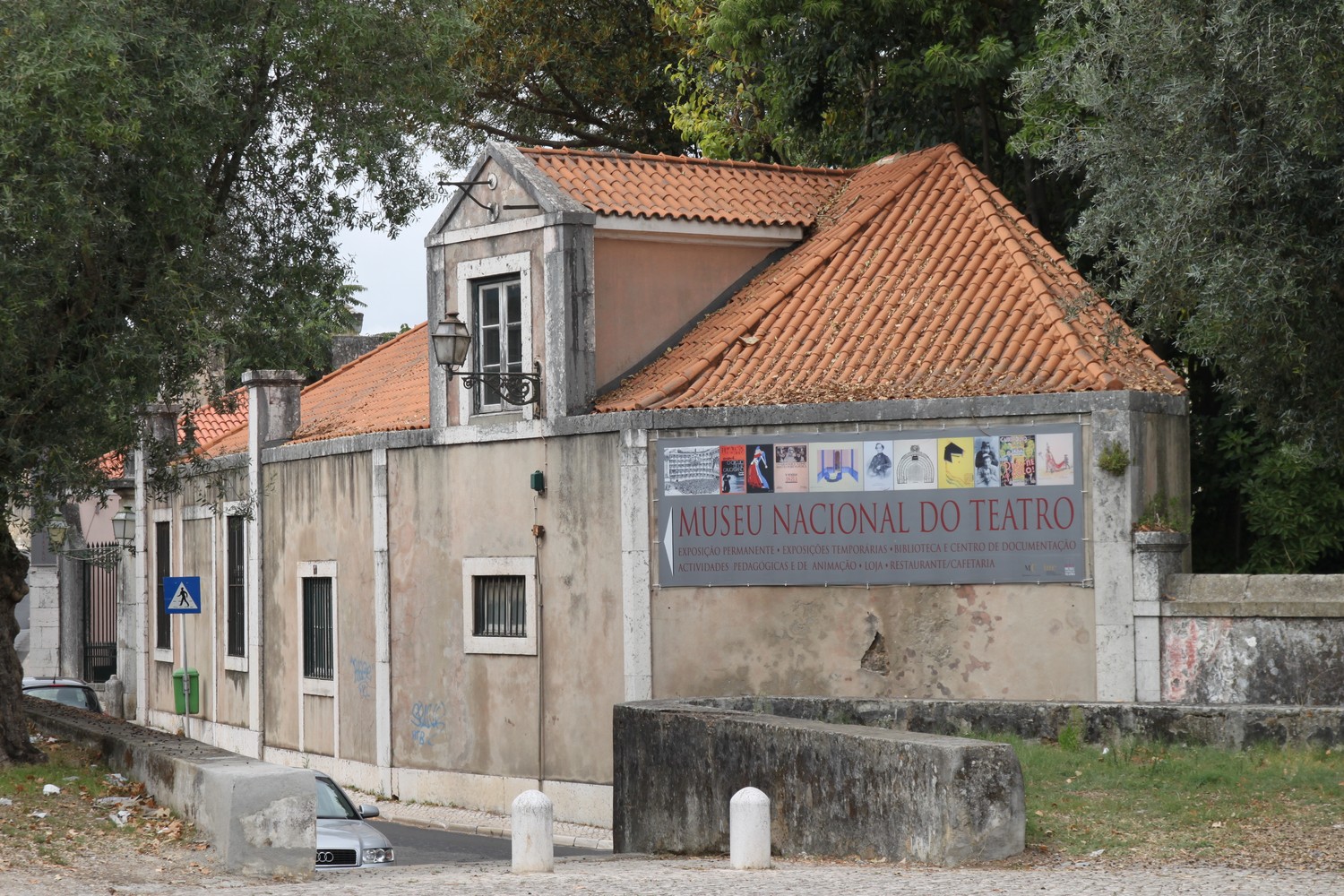
Nestled within the opulent Monteiro-Mor Palace in Lisbon, the National Theatre and Dance Museum is more than just a repository of artifacts; it's a vibrant portal to centuries of Portuguese performance. This remarkable institution breathes life into the nation’s theatrical and dance heritage, offering visitors an immersive journey through elaborate costumes, evocative stage sets, and meticulously preserved documents that whisper tales of passion, tradition, and artistic evolution. The palace itself, a stunning example of Neoclassical architecture, provides a breathtaking backdrop – its grand halls echoing with the ghosts of performances past, creating an atmosphere of both reverence and delight.
The museum’s core strength lies in its astonishing collection of over 300,000 costumes. These aren't simply garments; they are meticulously researched embodiments of each era, reflecting not only fashion trends but also social customs and political climates. From the flamboyant silks of the Baroque period to the more restrained elegance of the Romantic era, and then into the vibrant colors and theatrical styles of the 20th century, the collection charts a remarkable evolution in theatrical design. Beyond the costumes themselves, the museum boasts an impressive array of historical props and stage sets – miniature castles, elaborate thrones, fantastical landscapes – each piece meticulously recreated to transport viewers back to the heart of a bygone production. These tangible remnants offer a powerful connection to the creative process and the vision of Portuguese theatre directors and designers.
Unlocking the Archives: A Treasure Trove of Performance History
Delving deeper than mere visual displays, the National Theatre and Dance Museum’s archives are truly exceptional. Here, amidst carefully cataloged scripts, scores, photographs, programs, and even original stage designs, lies a wealth of information about Portuguese theatrical history. Researchers, artists, and enthusiasts alike can spend hours poring over these documents, uncovering forgotten productions, identifying influential figures, and gaining a nuanced understanding of the cultural context surrounding each performance. The museum’s specialized library complements this research with an extensive collection of books, periodicals, and scholarly articles dedicated to performing arts – a vital resource for anyone seeking to explore the subject in greater depth.
The Palace as Context: A Historical Setting
The choice of location within the Monteiro-Mor Palace is profoundly significant. This historic residence, originally built for the wealthy Portuguese merchant José Bastos da Gama, adds an unparalleled layer of richness and context to the museum’s exhibits. The palace itself reflects a fascinating blend of architectural styles – elements of Neoclassicism intertwine with Baroque flourishes, mirroring the diverse artistic influences that shaped Portugal's cultural landscape. Walking through the museum’s halls is akin to stepping back in time, experiencing not just the history of theatre and dance but also the evolution of Portuguese architecture and design.
Beyond the Exhibits: Special Events and Ongoing Research
The National Theatre and Dance Museum isn't a static institution; it actively engages with the contemporary arts scene through a series of special exhibitions, workshops, and educational programs. These events often showcase lesser-known aspects of Portuguese theatrical history or explore connections between traditional performance forms and modern artistic practices. Furthermore, the museum’s ongoing research initiatives ensure that its collection continues to grow and evolve, adding new insights into Portugal's rich performing arts heritage. The museum also hosts temporary exhibitions focusing on specific artists, companies, or genres, offering fresh perspectives on established traditions.
A Unique Cultural Destination: Lisbon’s Living Legacy
What truly distinguishes the National Theatre and Dance Museum is its ability to seamlessly blend historical preservation with vibrant cultural engagement. It's a place where visitors can not only admire exquisite costumes and intricate stage sets but also connect with the passionate stories behind them. Combined with its stunning location within the Monteiro-Mor Palace, and its commitment to research and education, this museum offers a rare opportunity to explore the evolution of theatre and dance traditions in Portugal – a truly unique cultural destination for art lovers, collectors, and anyone seeking a deeper understanding of Portuguese heritage.