A Resonance of Metal and Memory
Within the bustling heart of Loughborough University, where the air is often thick with the spirit of scientific inquiry and athletic ambition, lies a sanctuary of sound and substance: the Loughborough University Museum. It is not a place of silent, stagnant relics, but rather a living chronicle of Britain’s industrial heartbeat. To step into its halls is to encounter the profound legacy of Taylor’s Bell Foundry , an institution whose craftsmanship has echoed through the centuries. Here, the museum captures the very essence of metallurgy, tracing the journey from raw ore to the majestic chimes that grace landmarks like St. Paul's Cathedral. One cannot help but feel a sense of awe when witnessing the scale of the forgings and the meticulous precision required to tune a bell so that its voice may resonate across generations.The museum’s narrative begins with the pragmatic roots of the Loughborough Technical Institute, founded in 1909. This history is not merely recorded; it is felt through the weight of the exhibits that showcase how the institution rapidly adapted to the ever-changing demands of a dynamic world. For the lover of industrial art, the museum offers a rare glimpse into the transformative power of the Industrial Revolution and the enduring strength of human ingenuity.
The Art of Human-Centric Design
Beyond the rhythmic clang of the foundry, the museum offers a sophisticated exploration of how human ingenuity refines our interaction with the world. For the discerning eye—particularly those drawn to the nuances of ergonomics and materials science —the collection provides an illuminating study of optimization. The exhibits delve into the delicate science of human-machine interaction, demonstrating how a deep understanding of physiology can transform the efficiency of our tools and the comfort of our environments. This dedication to practical beauty extends into the realm of sports technology, where the evolution of athletic equipment is presented not merely as technical progress, but as a masterful application of design to enhance human performance.This intersection of science and aesthetics makes the museum a profound destination for interior designers and collectors of innovation alike. It celebrates the moment where engineering meets elegance, proving that the most functional objects are often those crafted with the deepest respect for the human form.
A Tapestry of Leadership and Legacy
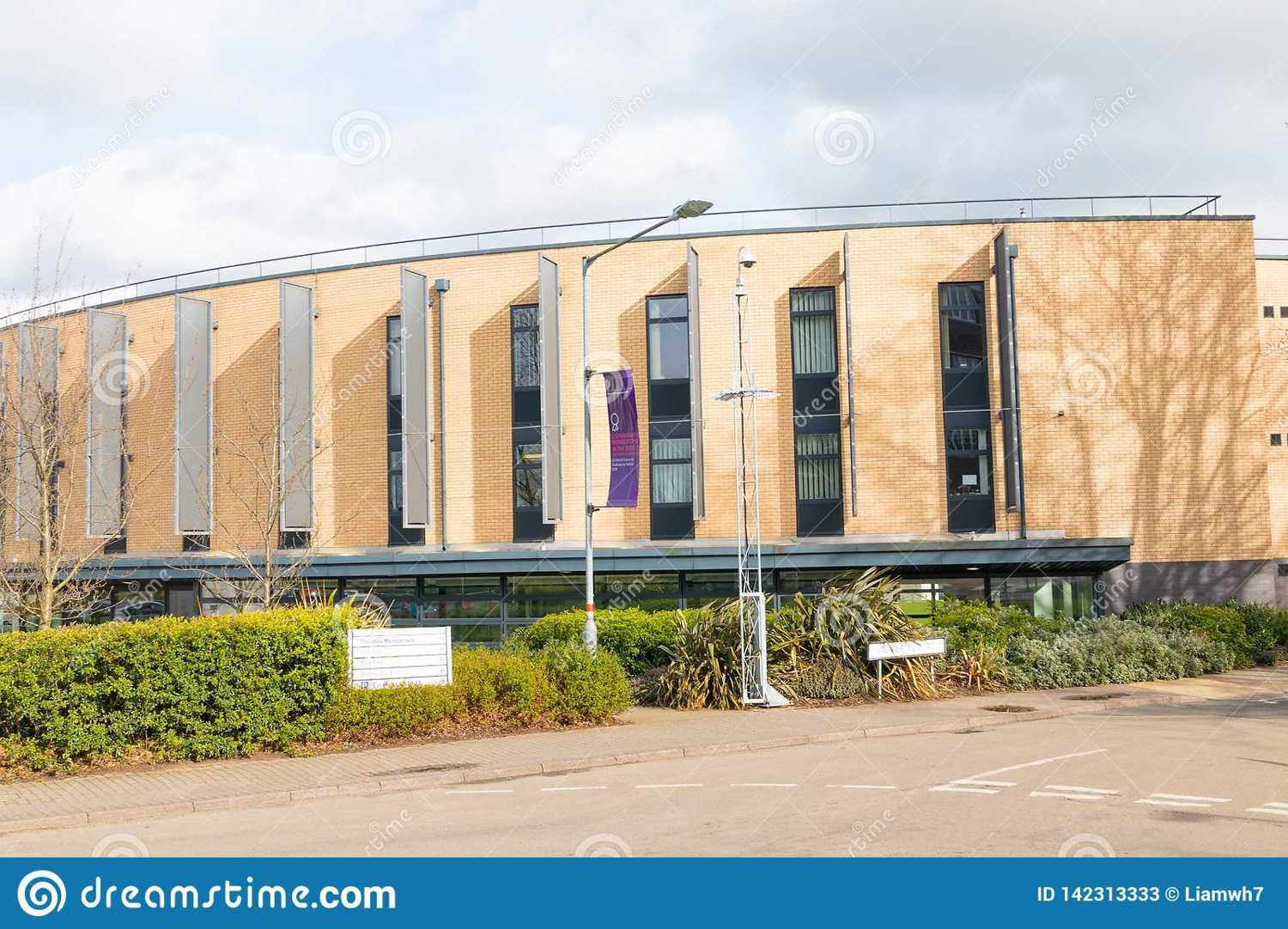
The museum’s architecture itself serves as a metaphor for its mission, seamlessly weaving historic foundations with contemporary academic life. This duality is perhaps most elegantly captured in the thoughtfully curated series of Vice Chancellor Portraits . These works offer more than just a record of leadership; they provide intimate glimpses into the strategic visions that have steered Loughborough through eras of immense transformation. As visitors wander through the integrated spaces, they find themselves part of an ongoing narrative where the triumphs of the past—from the early days of the Technical Institute to the cutting-edge research of today—inform every new discovery.The museum remains a dynamic space that celebrates not just what has been achieved, but what is yet to come. It invites all who enter to consider how a legacy of learning and practical knowledge continues to shape the very fabric of our modern world, making it an essential pilgrimage for anyone captivated by the enduring impact of human creativity on society.