Uma Tapeçaria do Tempo: A Alma do Museu Histórico Alemão de Berlim
No coração de Berlim, onde os ecos da grandeza imperial encontram a promessa transparente da modernidade, ergue-se o Deutsches Historisches Museum (DHM) . Não é meramente um repositório de relíquias, mas um diálogo vivo e pulsante entre o passado e o presente. Situado no histórico Zeughaus —uma formidável armaria do século XVII que outrora pulsava com a ambição militar da Prússia—o museu oferece uma profunda justaposição arquitetônica. Aqui, a alvenaria pesada e desgastada pelo tempo do velho mundo encontra seu contraponto na luminosa sala de exposições revestida de vidro, projetada pelo lendário I.M. Pei . Esta integração perfeita de estilos serve como uma metáfora silenciosa para a própria Alemanha: uma nação que honra sua herança complexa e muitas vezes turbulenta, enquanto abraça resolutamente a luz do progresso e da inovação.
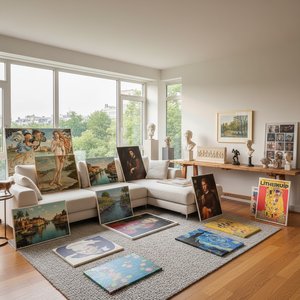
Vagar pelo DHM é embarcar em uma odisseia imersiva através do próprio tecido da identidade alemã. A coleção é uma curadoria magistral da experiência humana, abrangendo séculos de transformação. Os amantes da arte encontrar-se-ão cativados pelas extensas posses do museu em pintura, que traçam uma linhagem visual desde a intensidade dramática da era Barroca até o poder emotivo do Expressionismo. Estas obras fazem mais do que decorar um salão; elas atuam como janelas para os valores sociais mutáveis de uma nação. Além das telas, o museu preserva marcos intelectuais e espirituais da Europa, incluindo tesouros significativos pertencentes à Reforma. Cada artefato, seja um delicado manuscrito medieval ou um documento político monumental, é apresentado como um fio vital em uma narrativa europeia mais ampla.
Uma Jornada de Múltiplas Perspectivas através do Patrimônio
O que verdadeiramente distingue o Museu Histórico Alemão é a sua recusa em apresentar a história como uma verdade estática e monolítica. Em vez disso, adota uma abordagem de múltiplas perspectivas que desafia o visitante a engajar-se criticamente com as narrativas de poder, luta e triunfo. O museu mergulha nas vidas íntimas de cidadãos comuns ao lado das grandes manobras políticas de imperadores e reformadores. Desde a ascensão da Prússia até as profundas convulsões sociais da reunificação, as exposições são desenhadas para fomentar a empatia e a compreensão.
Para o designer de interiores ou o viajante culto, o DHM oferece mais do que apenas uma visita a uma galeria; ele proporciona um profundo poço de inspiração, onde o jogo de luz, sombra e peso histórico cria uma atmosfera de profunda curiosidade intelectual e maravilhamento estético. O museu serve como uma ponte entre eras, convidando colecionadores e historiadores, todos, a contemplar o destino compartilhado de um continente através de suas exibições diversas e evocativas.