

Fondation Napoléon: A Legacy of Napoleonic Art and Scholarship
Nestled in the heart of Paris, the Fondation Napoléon stands as a beacon for those captivated by the grandeur and complexity of Napoleon Bonaparte’s reign – a period that irrevocably shaped European history. Established in 1980 with a singular mission: to preserve and disseminate knowledge about Napoleon and his era—the Fondation transcends the traditional role of museum, evolving into a dynamic hub for research, artistic appreciation, and public engagement.
The Foundation’s impressive collection is arguably its most celebrated achievement. It boasts an extraordinary assemblage of artworks depicting Napoleon himself, his family, and pivotal moments from his life – ranging from monumental paintings by Jacques-Louis David to exquisitely crafted sculptures and opulent decorative arts. These pieces offer a tangible connection to the Napoleonic period, allowing visitors to immerse themselves in the visual language of imperial ambition and artistic patronage.
- Napoleonic Art: The Fondation’s core collection centers around Napoleon’s artistic endeavors, showcasing masterpieces created during his rule. David's “Napoleon Crossing the Alps,” a symbol of Napoleonic heroism, dominates the gallery space alongside portraits capturing Napoleon’s likeness and conveying his personality.
- Historical Artifacts: Beyond visual art, the Fondation houses an extensive array of historical objects—uniforms worn by soldiers during Napoleon’s campaigns, maps charting military strategies, ceremonial weaponry, and everyday items reflecting the daily life of Parisians under Napoleonic rule.
- Militaria: A significant portion of the collection is dedicated to militaria – meticulously preserved weapons, uniforms, battle plans, and other objects that chronicle Napoleon's numerous military engagements. These artifacts illuminate the logistical challenges and strategic brilliance characteristic of his leadership.
- French History (1789-19th Century): The Fondation’s scope extends beyond Napoleon himself, encompassing the broader context of French history from the tumultuous Revolution through the Restoration. Materials relating to the Directory, Consulate, and subsequent monarchs provide invaluable insight into the political landscape that fostered Napoleon's rise and influenced his reign.
What distinguishes the Fondation Napoléon is its unwavering commitment to scholarly rigor combined with accessible outreach initiatives. Researchers from across the globe converge here to study Napoleonic art and history, fueled by publications, conferences, and fellowships—a testament to the Foundation’s dedication to advancing knowledge. Simultaneously, regular exhibitions, educational programs, and public events breathe life into the Napoleonic era for audiences of all ages.
Founded on the conviction that Napoleon's legacy deserved meticulous investigation and thoughtful dissemination, the Fondation Napoléon quickly gained recognition as a leading authority on the subject. Its activities are supported by generous private donations and collaborative partnerships—a symbol of its enduring commitment to preserving Napoleonic heritage for future generations.
Architectural Elegance and Historical Significance
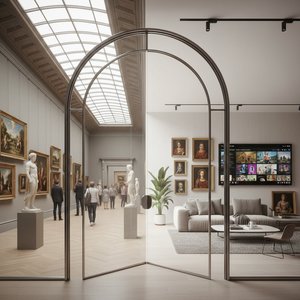
The Fondation’s building itself is an architectural marvel, designed in 1987 by architect Jean Nouvel. Situated on Rue de Lille, it embodies minimalist elegance with expansive glass facades that flood the interior spaces with natural light—creating an environment conducive to contemplation and scholarly pursuit. The building's design reflects the Foundation’s ethos: transparency, innovation, and respect for its historical context.
Notable Exhibitions and Ongoing Research
Throughout its history, the Fondation Napoléon has hosted groundbreaking exhibitions that illuminate diverse facets of Napoleonic culture—from decorative arts to fashion to music. Recent initiatives include “Imperial Gifts,” showcasing opulent presentations exchanged between Napoleon and European monarchs, and “Napoleon: A Life,” a comprehensive biography by historian Andrew Roberts that challenges conventional interpretations of Napoleon’s character.
A Center for Artistic Inspiration
The Fondation Napoléon serves as an invaluable resource for artists seeking inspiration from the Napoleonic era. Its collection inspires creativity and encourages dialogue between art historians and contemporary practitioners—affirming the enduring relevance of Napoleonic history to artistic expression.