

A Sanctuary of Stone and Spirit
Nestled within the verdant embrace of Fort Tryon Park in Upper Manhattan, The Cloisters stands as a breathtaking architectural poem dedicated to the enduring legacy of the European Middle Ages. It is not merely a museum but a meticulously reconstructed sanctuary, where the very stones seem to whisper tales of monastic devotion and medieval splendor. This extraordinary institution, born from the visionary passion of financier John D. Rockefeller Jr., serves as a profound bridge across centuries, transporting the modern visitor from the frantic pace of New York City into a serene realm of spiritual contemplation and historical depth. The museum’s soul resides in its unique structural composition, featuring four distinct cloisters painstakingly salvaged from dismantled French monasteries during the Belle Époque. Through the ambitious efforts of sculptor George Grey Barnard, these architectural relics were brought to American soil, allowing the heavy Romanesque solidity and the soaring Gothic heights of a bygone era to coalesce into a singular, immersive experience.
To wander through these hallowed halls is to embark on a sensory journey through the heart of medieval life. The architecture itself acts as a living canvas, where the interplay of light and shadow across ancient masonry recreates the atmosphere of a monastic retreat. Beyond the structural marvels, the collection offers an intimate window into the artistic soul of the Middle Ages. One cannot help but be captivated by the luminous brilliance of the Flemish Masters, whose works possess a jewel-like clarity and a mastery of detail that continues to enchant the contemporary eye. In pieces such as Lambert Sustris’s portrait of ‘Hans Christoph Vöhlin,’ the viewer encounters the refined elegance of the Renaissance, where every brushstroke serves to celebrate humanism and intricate beauty. These paintings do not merely hang on walls; they breathe with a vitality that speaks to the technical prowess and the profound cultural shifts of their time.
The museum’s treasures extend far beyond the realm of high painting, delving into the deeply personal expressions of religious folk art. Here, the spiritual preoccupations of ordinary medieval people are laid bare through objects that reflect local beliefs, traditions, and a shared devotion to the divine. This collection provides an essential counterpoint to the grandeur of the architecture, offering a more grounded, human perspective on the transformative power of faith. Complementing this is the museum's commitment to the natural world; the meticulously landscaped gardens are designed to mirror those found in historic monasteries, inviting visitors to find peace among flora that once graced the courtyards of France. This deliberate integration of art, architecture, and nature creates a holistic environment where one can contemplate the themes of pilgrimage, craftsmanship, and the enduring role of religion in shaping European society.
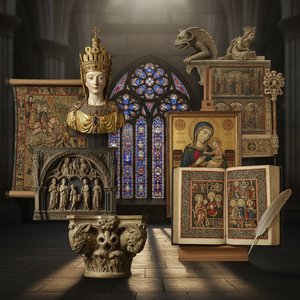
As a destination for art lovers, collectors, and designers alike, The Cloisters remains a vibrant center of ongoing discovery. Through rotating exhibitions that explore everything from the delicate intricacies of illuminated manuscripts to the tactile richness of medieval textiles, the institution continues to unravel new layers of historical meaning. It is a place where the past is never truly gone, but rather preserved in a state of perpetual grace. For those seeking inspiration, the museum offers an unparalleled aesthetic experience—a rare opportunity to stand within a reconstructed piece of history and witness the seamless fusion of artistic mastery and architectural triumph.