


A Burgundian Masterpiece: The Soul of Champmol
Nestled on the tranquil outskirts of Dijon, France, the Chartreuse de Champmol stands as an unparalleled testament to the artistic ambition and spiritual devotion of the Valois Dukes during the fourteenth and fifteenth centuries. More than just a monastic retreat, this site was conceived as a grand dynastic mausoleum, a symbol of Burgundian power meticulously crafted to rival the great abbeys of Europe and solidify the eternal legacy of its rulers. To step into the history of Champmol is to enter a world where the boundaries between earthly prestige and divine aspiration blur, offering a profound glimpse into the heart of the Middle Ages.
The genesis of this monumental undertaking began in 1383, when Duke Philip the Bold commissioned the monastery to serve as a sacred resting place for his lineage. The architectural vision was spearheaded by the renowned Druet de Dammartin, whose expertise at the Louvre and Sluis brought a sophisticated blend of Gothic tradition and emerging Renaissance sensibilities to the site. This deliberate aesthetic strategy transformed Dijon into a beacon of innovation, creating a space where stone and spirit were inextricably linked through the mastery of light, shadow, and form.
Sculptural Grandeur and the Mastery of Sluter
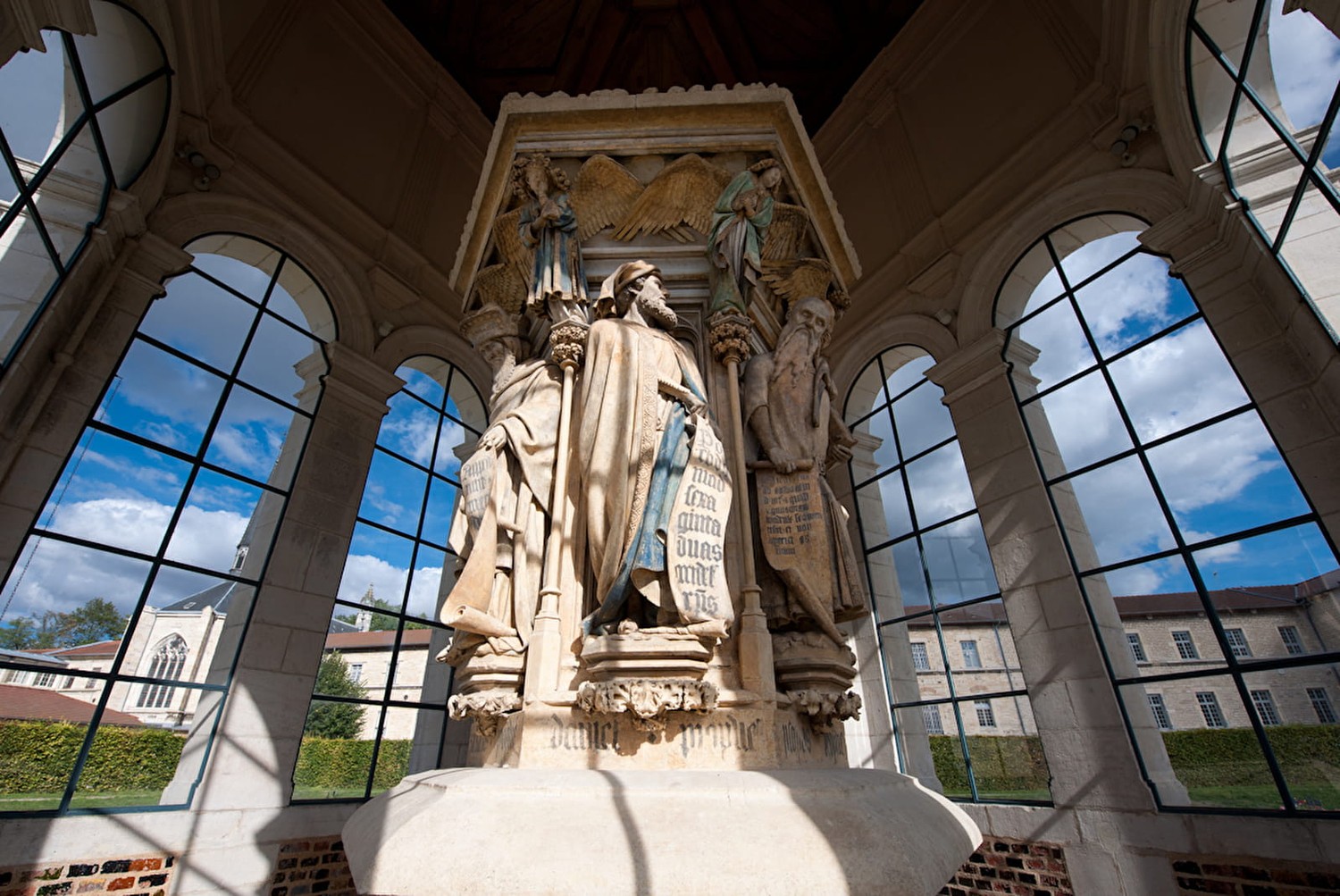
The collection held within the memory and remnants of Champmol continues to inspire scholarly debate and captivate the modern imagination. The undisputed centerpiece is The Well of Moses , a monumental achievement in Gothic sculpture by the legendary Claus Sluter. This work represents a pinnacle of Northern European art, where the figures of David slaying Goliath, Moses leading his people, and the four prophets—Isaiah, Daniel, Zechariah, and Jeremiah—are rendered with an astonishing, palpable realism. Each fold of drapery and every expression of profound emotion serves as a stylistic hallmark of Sluter’s oeuvre, imbuing the cold stone with a lifelike vitality that remains breathtaking centuries later.
Complementing this sculptural brilliance are the funerary monuments of Philip the Bold and John the Fearless. These masterpieces of funerary art showcase striking effigies crafted from luminous alabaster, surrounded by a celestial retinue of angelic attendants. The presence of the pleurants , or mourning figures, flanking these tombs adds a layer of poignant, rhythmic sorrow to the architecture, reflecting the deep theological preoccupations of the Burgundian court and the solemn grandeur characteristic of royal burials.
A Legacy of Color and Devotion
Beyond the sculptural triumphs, Champmol’s artistic richness is further illuminated by the Dijon Altarpiece , painted by Melchior Broederlam. This rare glimpse into fourteenth-century painting techniques showcases a masterful use of color and perspective that hints at the burgeoning influence of Northern Renaissance aesthetics. The altarpiece’s vibrant hues and meticulous biblical depictions underscore the monastery's role as a crucible for artistic experimentation, where the spiritual fervor of the age was captured through innovative oil painting techniques and dramatic chiaroscuro.
For art lovers, collectors, and those with an eye for historical elegance, the legacy of Champmol offers an extraordinary opportunity to explore the intellectual currents that shaped Western art. It remains a site of profound beauty, where the fusion of religious piety and dynastic ambition created a lasting imprint on the history of European culture. To encounter the remnants of this Burgundian masterpiece is to witness firsthand the unwavering pursuit of artistic perfection that once defined the height of the Valois era.




