Índice
Informações Essenciais
- Movements: late gothic style
- Mediums: acrílico sobre tela
- Works on APS: 3
- Location: Praga, República Checa
- Ver mais…
- Featured artists: Peter Parler
- Art types: arte de parede
- Alternate names: Museu da Catedral
Artistas Expostos

Peter Parler
A master of Late Gothic architecture and sculpture, Peter Parler defined the era through his monumental work on St. Vitus Cathedral and the Head of Charles IV, inviting you to discover a legacy etched in stone.

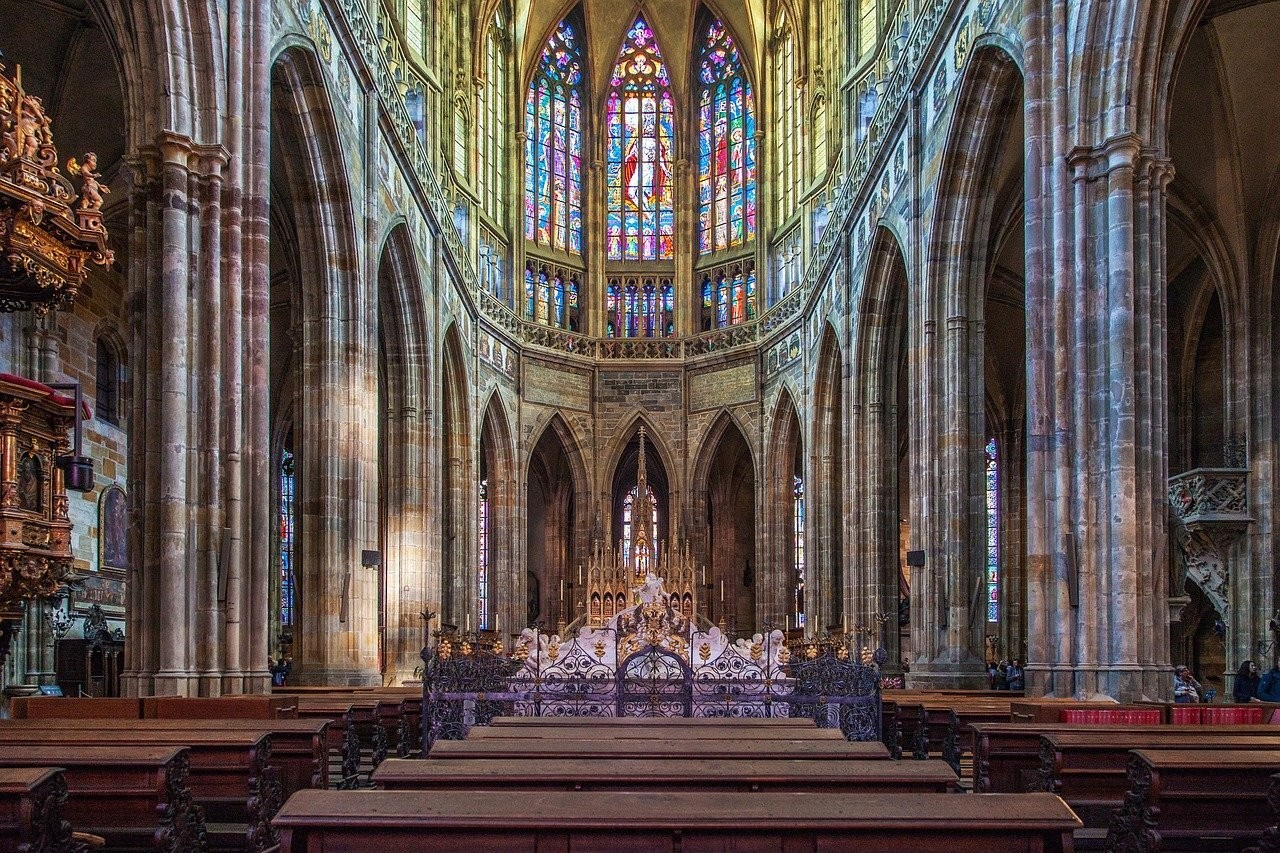
Um Monumento Vivo
O que realmente distingue a Catedral de São Vitus é sua vitalidade duradoura. Ela permanece como um local ativo de culto, um sítio onde a fé é praticada e celebrada até os dias de hoje. Esta mistura perfeita de passado e presente oferece aos visitantes uma conexão profunda com a história, a espiritualidade e as conquistas artísticas da República Checa. Mais do que apenas uma peça de museu, ela se ergue como um monumento vivo — um testemunho da criatividade humana, da devoção e do poder duradouro da beleza. É um espaço que continua a evoluir, ressoando com os ecos de séculos enquanto abraça o momento presente, garantindo que seu legado perdure pelas gerações vindouras.
Quiz de Arte
Cada pergunta possui apenas uma resposta correta.
Pergunta 1:
Qual é o estilo arquitetônico predominante na Catedral de Praga?
Pergunta 2:
Quem iniciou a construção da catedral em 1344?
Pergunta 3:
Qual é o significado simbólico do túmulo de São Wenceslas na Catedral?
Pergunta 4:
O que torna o Catedral de Praga uma obra-prima arquitetônica?
Pergunta 5:
Em que ano foi concluída a construção da Catedral?
Artigos Relacionados

Symbols of Majesty: The Sacred History and Ritual Significance of the Coronation Regalia
Discover the sacred history and ritual meaning of the Coronation Regalia. Explore these royal symbols with us now.

Chiaroscuro and Cathedral Interiors: The Interplay of Light and Shadow in Sacred Architecture
Explore the masterful interplay of light and shadow in sacred architecture through history. Discover the divine power of cathedral interiors.
The Architecture of Light: Tracing the Spiritual Resonance of Cathedrals from Gothic Mastery to Impressionist Vision
Explore the spiritual evolution from Gothic stone to Monet's light. Trace this luminous journey through art history now.
Lista de Obras de Arte em Catedral de São Vito
Nenhuma obra encontrada.