



Uma Residência Real Imersa em História: Revelando o Palácio de Buckingham
O Palácio de Buckingham não é meramente um edifício; é um símbolo duradouro da monarquia britânica, da tradição e da identidade nacional — um testemunho vivo de séculos de história real e mecenato artístico. Cruzar as suas grandiosas portas é como viajar no tempo, encontrando os ecos de incontáveis coroações, celebrações e momentos de quietude dentro das suas paredes opulentas. Originalmente concebido como uma modesta casa de campo para o Duque de Buckingham em 1703, o Palácio passou por uma evolução dramática, moldada por monarcas ambiciosos, arquitetos visionários e uma coleção de arte inigualável acumulada ao longo de gerações. Hoje, ergue-se tanto como uma residência real ativa quanto como um museu meticulosamente curado, oferecendo aos visitantes um vislumbre raro das vidas daqueles que moldaram o passado da Grã-Bretanha.
A jornada arquitetónica do Palácio é, por si só, uma narrativa fascinante. A estrutura central, adquirida por Jorge III em 1761, foi gradualmente transformada sob a orientação dos renomados arquitetos John Nash e Edward Blore durante o século XIX. Eles remodelaram magistralmente o edifício na fachada icónica que reconhecemos hoje — uma mistura harmoniosa de elegância neoclássica e grandeza régia. A Fachada Leste, com a sua varanda instantaneamente reconhecível, tornou-se o ponto focal para aparições reais, testemunhando inúmeros momentos de importância nacional. Além deste marco, as adições de Nash criaram um vasto complexo de pátios, abrigando salas de estado concebidas para impressionar dignitários estrangeiros e acolher grandes recepções. A evolução do Palácio reflete não apenas tendências arquitetónicas, mas também os gostos e prioridades em constante mudança dos sucessivos monarcas — desde os interiores luxuosos defendidos por Jorge IV até a elegância mais contida favorecida durante reinados posteriores.
Um Tesouro de Arte Real: Pinturas e Artes Decorativas
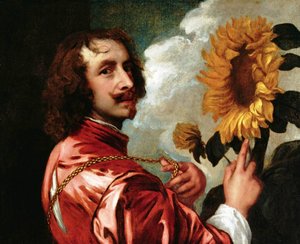
O Palácio de Buckingham abriga uma das coleções de arte mais significativas do mundo — a Coleção Real — que abrange séculos e englovação uma diversidade deslumbrante de estilos e períodos. Mais de 7.000 pinturas adornam as paredes do palácio, representando um testemunho notável do mecenato real e do gosto artístico. A coleção inclui obras-primas de renomados artistas europeus como Rembrandt, Van Dyck, Rubens, Canaletto, entre muitos outros, cada uma oferecendo uma janela única para os gostos e preferências dos monarcas do passado. Estas obras não são meramente decorativas; representam artefatos culturais e históricos significativos, refletindo a evolução da paisagem artística da Europa.
Além das pinturas, a coleção do Palácio estende-se a uma impressionante gama de artes decorativas e mobiliário. Desde objetos de prata intrincadamente esculpidos e porcelanas da China e do Japão até tapeçarias requintadas e relógios antigos, cada item conta uma história — um reflexo dos gostos reais, da mestria artesanal e das relações internacionais. A coleção é um testemunho do papel do Palácio como um centro de recolha e preservação de tesouros artísticos ao longo da história.
Artistas Notáveis na Coleção:Um Palácio Vivo: Cerimónias, Tradição e Vida Real
O Palácio de Buckingham é mais do que apenas um museu; permanece como uma residência real ativa — um centro pulsante da vida nacional. O Palácio acolhe inúmeras ocasiões de Estado, eventos cerimoniais e as cerimónias de Troca da Guarda que atraem multidões de todo o mundo. Testemunhar estas tradições desenrolarem-se dentro das paredes do Palácio oferece uma oportunidade única de se conectar com a rica herança da Grã-Bretanha.
A abertura anual de verão permite o acesso do público às Salas de Estado, oferecendo uma oportunidade incomparável para explorar estes espaços magníficos e admirar os seus interiores opulentos. Além deste evento, os visitantes podem experienciar a grandeza da vida real através de visitas guiadas, programas educativos e exposições especiais que mergulham mais profundamente nos aspetos da Coleção Real e da história monárquica. O papel do Palácio como centro de celebrações nacionais — de Jubileus a comemorações — sublinha a sua importância duradoura na sociedade britânica.
Além das Muralhas: Contexto Arquitetónico e Significado Histórico
Para apreciar plenamente o Palácio de Buckingham, é essencial compreender o seu contexto histórico dentro de Londres. Originalmente construído como uma grande casa de campo em 1703 para o Duque de Buckingham, o local foi de propriedade privada durante séculos antes de ser adquirido por Jorge III. As transformações subsequentes realizadas pelos arquitetos John Nash e Edward Blore remodelaram dramaticamente o edifício na icónica palácio que conhecemos hoje. A localização do Palácio dentro da City de Westminster — um centro histórico de governo e poder real — aumenta ainda mais a sua importância como símbolo da governação britânica.
Além disso, o Palácio de Buckingham está inextricavelmente ligado à história mais ampla de Londres. A própria cidade evoluiu ao longo de milénios, moldada por assentamentos romanos, guildas medievais e a industrialização vitoriana. A presença do Palácio neste dinâmico cenário urbano sublinha o seu papel tanto como um marco histórico quanto como um centro vibrante da vida contemporânea.


