Retrato de Wit Stwosz

As 35 Pinturas Mais Famosas de Wit Stwosz, uma Seleção da Galeria

Atualizado em Novembro 2026 · classificado pela nossa pontuação de popularidade (pesquisas, visitas e pedidos de cada obra) · 35 obras de Wit Stwosz em nosso catálogo

Em resumo

De todas as obras originais deixadas por Wit Stwosz, a mais famosa é Engelsgruss of St. Lawrence Church in Nuremberg (1518), da coleção do Museus Municipais de Nuremberga, em Nuremberg. Logo atrás vêm High Altar of St Mary (detail of the Lamentation) (1477) e High Altar of St Mary (Resurrection) (1477). Nosso catálogo contém 35 obras de Wit Stwosz; a galeria preservou as 35 que o mundo mais admira, cada uma exibida com sua data, seu museu e sua história.

1447 – 1533, Horbach Northern renaissance Mais obras: Basílica de Santa Maria

As 10 principais pinturas de Wit Stwosz: a escolha da galeria

1
Engelsgruss of St. Lawrence Church in Nuremberg (1518) de Wit Stwosz

Engelsgruss of St. Lawrence Church in Nuremberg

1518 · Wood · Museus Municipais de Nuremberga, Nuremberg

In the center of the choir of St. Lorenz Church in Nuremberg, a miracle hangs from the shadows. It is an assemblage of life-sized limewood figures, suspended by a metal chain as if caught in a moment of eternal descent. The wood carries the weight of a divine encounter, the Annunciation, frozen in the quiet tension between heaven and earth. Light catches the curves of the carving, revealing the soft…

3
High Altar of St Mary (Resurrection) (1477) de Wit Stwosz

High Altar of St Mary (Resurrection)

1477 · Wood · Basílica de Santa Maria, Cracóvia

To stand before the High Altar of St Mary is to witness a moment where the earthly and the divine collide in a breathtaking display of late Gothic mastery. Carved between 1477 and 1489 by the incomparable German sculptor Wit Stwosz (also known as Veit Stoss), this monumental retable is far more than a religious relic; it is a narrative symphony rendered in wood. The altar, which resides in the…

4
High Altar of St Mary (Apostle Peter and Malchus) (1477) de Wit Stwosz

High Altar of St Mary (Apostle Peter and Malchus)

1477 · Basílica de Santa Maria, Cracóvia

To stand before the High Altar of St Mary is to witness a moment where the boundaries between the earthly and the divine dissolve into the grain of ancient wood. Created by the incomparable Wit Stwosz (also known as Veit Stoss) between 1477 and 1489, this monumental achievement in Kraków’s St Mary’s Basilica is far more than a religious relic; it is a breathtaking triumph of the Late Gothic Baroque…

5
High Altar of St Mary (detail) (1477) de Wit Stwosz

High Altar of St Mary (detail)

1477 · Tempera On Panel

This work is a detail from the High Altar of St Mary (detail) by Wit Stwosz. Known in Poland as Wit Stwosz, the artist created this piece around 1477. It forms part of the larger Veit Stoss Altarpiece, a significant sculptural ensemble located in St Mary's Basilica in Kraków, Poland.

7
Virgin and Child with Pomegranate (1500) de Wit Stwosz

Virgin and Child with Pomegranate

1500 · Engraving · Staatliche Graphische Sammlung, Munique

The artwork presents a monochrome depiction of the Virgin Mary holding the infant Jesus. The composition is centered around these two figures, who are positioned slightly off-center within the frame. Mary stands with her head tilted slightly downwards toward the child in her arms, her drapery flowing dynamically to add movement to the scene. The background remains largely empty, focusing all attention on the central figures. A pomegranate may be…

8
Lamentation (1500) de Wit Stwosz

Lamentation

1500 · Engraving · Szépművészeti Múzeum, Budapeste

To look upon this work is to witness a moment of profound stillness amidst a storm of grief. The scene depicts the Lamentation, a quiet yet heavy moment where Christ lies supine in the lap of Mary. There is a certain gravity to the composition, a pyramidal structure that draws the eye downward toward the central figure of the deceased. Above them, an angel hovers, suspended in a state of…

9
Annunciation (1517) de Wit Stwosz

Annunciation

1517 · Wood · St Lorenzkirche, Nuremberg

The Annunciation by Wit Stwosz was commissioned in 1517 by Anton II Tucher. Tucher held a high-ranking official position in Nuremberg. This assemblage of life-sized limewood sculptures was completed in 1518. The work was intended to function as a devotional centerpiece for those reciting the rosary or participating in other Marian devotions.

10
Winged Altarpiece (detail) (1523) de Wit Stwosz

Winged Altarpiece (detail)

1523 · Wood · Cathedral, Bamberg

The Winged Altarpiece (detail) by Wit Stwosz presents a quiet moment of stillness. This fragment of a larger sculptural work captures a human figure in a state of profound repose. The subject appears to be a religious or allegorical figure, caught in a private instance of devotion. Every line of the face suggests a soul turned inward, away from the noise of the world and toward a silent, spiritual presence.

A seleção de Wit Stwosz continua, de 11 a 35

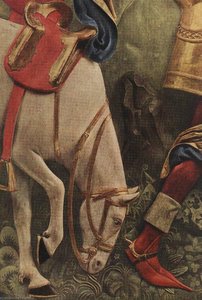
11High Altar of St Mary (Jerome) (1477) de Wit StwoszHigh Altar of St Mary (Jerome)1477 · Basílica de Santa Maria 12Christ Child (1525) de Wit StwoszChrist Child1525 13High Altar of St Mary (frame figure) (1477) de Wit StwoszHigh Altar of St Mary (frame figure)1477 · Basílica de Santa Maria 14High Altar of St Mary (1477) de Wit StwoszHigh Altar of St Mary1477 · Basílica de Santa Maria 15High Altar of St Mary (Angel with Lute) (1477) de Wit StwoszHigh Altar of St Mary (Angel with Lute)1477 · Basílica de Santa Maria 16High Altar of St Mary (detail) (1477) de Wit StwoszHigh Altar of St Mary (detail)1477 · Basílica de Santa Maria 17High Altar of St Mary (St Anne) (1477) de Wit StwoszHigh Altar of St Mary (St Anne)1477 · Basílica de Santa Maria 18High Altar of St Mary (a soldier) (1477) de Wit StwoszHigh Altar of St Mary (a soldier)1477 · Basílica de Santa Maria 19High Altar of St Mary (Apostle John) (1477) de Wit StwoszHigh Altar of St Mary (Apostle John)1477 · Basílica de Santa Maria 20High Altar of St Mary (Pouring the Bathing Water) (1477) de Wit StwoszHigh Altar of St Mary (Pouring the Bathing Water)1477 · Basílica de Santa Maria 21Dormition of the Virgin (1477) de Wit StwoszDormition of the Virgin1477 · Basílica de Santa Maria 22High Altar of St Mary (detail of the Lamentation) (1477) de Wit StwoszHigh Altar of St Mary (detail of the Lamentation)1477 · Basílica de Santa Maria 23High Altar of St Mary (a horse) (1477) de Wit StwoszHigh Altar of St Mary (a horse)1477 · Basílica de Santa Maria 24High Altar of St Mary (detail of the Noli me tangere) (1477) de Wit StwoszHigh Altar of St Mary (detail of the Noli me tangere)1477 · Basílica de Santa Maria 25High Altar of St Mary (head of Mary) (1477) de Wit StwoszHigh Altar of St Mary (head of Mary)1477 · Basílica de Santa Maria 26High Altar of St Mary (Doctors) (1477) de Wit StwoszHigh Altar of St Mary (Doctors)1477 · Basílica de Santa Maria 27Mary and the Child (1500) de Wit StwoszMary and the Child1500 · Victoria and Albert Museum 28Annunciation (detail) (1517) de Wit StwoszAnnunciation (detail)1517 · St. Lorenz 29Young Tobias (1516) de Wit StwoszYoung Tobias1516 · Germanisches Nationalmuseum 30Annunciation (1517) de Wit StwoszAnnunciation1517 · St Lorenzkirche 31Tobias and the Angel (1516) de Wit StwoszTobias and the Angel1516 · Germanisches Nationalmuseum 32Saint Vitus in a cauldron of oil (1520) de Wit StwoszSaint Vitus in a cauldron of oil1520 · Germanisches Nationalmuseum 33Antler Chandelier in the Shape of a Dragon (1522) de Wit StwoszAntler Chandelier in the Shape of a Dragon1522 · Germanisches Nationalmuseum 34Winged Altarpiece (1523) de Wit StwoszWinged Altarpiece1523 · Cathedral 35High Altar of St Mary (Crucifixion) (1477) de Wit StwoszHigh Altar of St Mary (Crucifixion)1477 · Basílica de Santa Maria

Pinturas famosas de Wit Stwosz, período por período

Os temas que cativaram o olhar de Wit Stwosz

Os quatro temas que mais se repetem nestas obras originais, cada um com o seu melhor exemplo.

Os museus que guardam os originais de Wit Stwosz

Os 8 museus que detêm a maioria das pinturas desta página.

Museus Cidade Obras de Wit Stwosz Pinturas desta lista
Basílica de Santa Maria, CracóviaBasílica de Santa Maria Cracóvia 20 High Altar of St Mary (detail of the Lamentation), High Altar of St Mary (Resurrection), High Altar of St Mary (Apostle Peter and Malchus)
Germanisches Nationalmuseum, NurembergGermanisches Nationalmuseum Nuremberg 4 Young Tobias, Tobias and the Angel, Saint Vitus in a cauldron of oil
St Lorenzkirche, NurembergSt Lorenzkirche Nuremberg 2 Annunciation, Annunciation
Cathedral, BambergCathedral Bamberg 2 Winged Altarpiece (detail), Winged Altarpiece
Museus Municipais de Nuremberga, NurembergMuseus Municipais de Nuremberga Nuremberg 1 Engelsgruss of St. Lawrence Church in Nuremberg
Staatliche Graphische Sammlung, MuniqueStaatliche Graphische Sammlung Munique 1 Virgin and Child with Pomegranate
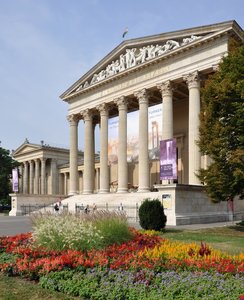
Szépművészeti Múzeum, BudapesteSzépművészeti Múzeum Budapeste 1 Lamentation
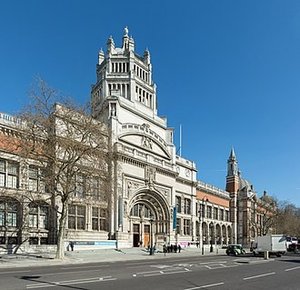
Victoria and Albert Museum, LondresVictoria and Albert Museum Londres 1 Mary and the Child

Wit Stwosz década a década: a obra original que define cada uma

Obras por década

Escolha uma década para ver a obra original que a define.

Perguntas de colecionadores sobre as pinturas de Wit Stwosz

Por qual obra Wit Stwosz é mais conhecido(a)?Revelar a resposta

Engelsgruss of St. Lawrence Church in Nuremberg (1518), Museus Municipais de Nuremberga, Nuremberg. High Altar of St Mary (detail of the Lamentation) (1477) e High Altar of St Mary (Resurrection) (1477) vêm a seguir.

Qual era a idade de Wit Stwosz quando Engelsgruss of St. Lawrence Church in Nuremberg foi feita?Revelar a resposta

71 anos: Engelsgruss of St. Lawrence Church in Nuremberg data de 1518, e Wit Stwosz nasceu em 1447.

Quais são as dez pinturas mais famosas de Wit Stwosz?Revelar a resposta

Engelsgruss of St. Lawrence Church in Nuremberg, High Altar of St Mary (detail of the Lamentation), High Altar of St Mary (Resurrection), High Altar of St Mary (Apostle Peter and Malchus), High Altar of St Mary (detail), High Altar of St Mary (heads of Joachim and Anne), Virgin and Child with Pomegranate, Lamentation, Annunciation e Winged Altarpiece (detail). O ranking acima apresenta o ano e o museu de cada uma.

Quantas pinturas Wit Stwosz deixou?Revelar a resposta

Nosso catálogo contém 35 obras de Wit Stwosz, datadas de 1477 a 1525.

Em quais museus estão expostas as obras-primas de Wit Stwosz?Revelar a resposta

Principalmente em Basílica de Santa Maria (Cracóvia), Germanisches Nationalmuseum (Nuremberg) e St Lorenzkirche (Nuremberg). A tabela de museus acima lista todos eles.

Em que anos Wit Stwosz pintou as suas obras mais famosas?Revelar a resposta

Em 1470s: 21 das 35 obras nesta página foram feitas então, sendo High Altar of St Mary (detail of the Lamentation) delas.

Quais são as primeiras e as últimas obras originais famosas de Wit Stwosz?Revelar a resposta

Nesta página, a mais antiga é High Altar of St Mary (detail of the Lamentation) (1477) e a mais recente é Christ Child (1525).

Quais temas Wit Stwosz escolheu com mais frequência?Revelar a resposta

Woman (12), Sculpture (8) e Man (6), entre as 35 obras nesta página.

Qual técnica Wit Stwosz mais utilizou?Revelar a resposta

Wood, para 22 das 35 obras nesta página.

A qual movimento artístico pertence Wit Stwosz?Revelar a resposta

Northern renaissance, a julgar pelos originais nesta página.

Quais obras de Wit Stwosz estão expostas no Basílica de Santa Maria?Revelar a resposta

High Altar of St Mary (detail of the Lamentation), High Altar of St Mary (Resurrection) e High Altar of St Mary (Apostle Peter and Malchus): o Basílica de Santa Maria, Cracóvia detém 20 das obras desta página.

Wit Stwosz: vida e obra

O Drama Emocional de Wit Stwosz

Estar diante das obras de Wit Stwosz, ou Veit Stoß, é encontrar uma profunda onda de emoção humana capturada na madeira. Este mestre escultor alemão, cuja vida abrangeu a tumultuada transição entre o Gótico tardio e o florescente Renascimento Nórdico, não apenas esculpia figuras; ele lhes soprava vida. Sua arte estava profundamente enraizada no fervor dramático de sua época, imbuindo suas criações em madeira com um senso de pathos quase palpável. Embora os detalhes de seu aprendizado inicial permaneçam envoltos nas névoas da história, é claro que, desde seus anos formativos, ele absorveu a rigorosa disciplina da tradição das oficinas alemãs, dominando técnicas que lhe permitiram transformar madeira sólida em receptáculos de narrativa espiritual.

Maestria do Material e do Movimento

O brilho técnico de Stwosz residia em sua habilidade inigualável de manipular a madeira. Sua conquista mais marcante foi a representação dos drapeados — a maneira como o tecido cai, ondula e adere a uma forma é tratada não como mera cobertura, mas como um participante ativo no drama que se desenrola dentro da escultura. Este estilo de entalhe virtuoso levou historiadores da arte a cunharem termos como "barroco gótico tardio", reconhecendo como ele infundiu as estruturas rígidas de estilos anteriores com uma energia dinâmica e quase inquieta. Suas figuras parecem capturadas no meio de um gesto, suas vestes agitando-se como se movidas por um vento divino invisível. Esta ênfase no movimento e na intensidade emocional o marca como uma figura fundamental, cuja obra serviu de ponte entre épocas estilísticas.

Iconografia e Legado Duradouro

Embora sua influência tenha permeado as correntes artísticas de sua era, talvez seja impossível discutir Stwosz sem reconhecer o monumental retábulo abrigado na Basílica de Santa Maria, em Cracóvia, Polônia. Esta peça ergue-se como um testemunho imponente de seu gênio, exibindo a complexidade narrativa e a profundidade emocional que definiram sua carreira. Além desta obra-prima, obras sobreviventes como A Virgem e o Menino com Santa Ana continuam a demonstrar sua profunda compreensão da iconografia sagrada. Sua capacidade de imbuir temas religiosos com um sentimento humano tão intenso garantiu que seu legado ressoasse muito além das oficinas da Alemanha.

Uma Ponte Entre Eras

A importância de Wit Stwosz não pode ser subestimada; ele foi um artista que navegou por um período de imensa agitação cultural. Ele tomou a intensidade espiritual e o naturalismo detalhado característicos do período gótico tardio e os infundiu com o crescente senso humanista do Renascimento, tudo isso enquanto mantinha um fervor emocional unicamente alemão. Seu compromisso em capturar a vida interior — o anseio, a dor, o êxtase divino — através do meio tangível da madeira assegurou seu lugar como um mestre artesão cuja visão continua a desafiar e emocionar os espectadores contemporâneos da mesma forma.