Retrato de Wilhelm Bendz

Pinturas de Wilhelm Bendz: As 36 mais famosas, sob o olhar de uma galeria

Atualizado em Novembro 2026 · classificado pela nossa pontuação de popularidade (pesquisas, visitas e pedidos de cada obra) · 37 obras de Wilhelm Bendz em nosso catálogo

Em resumo

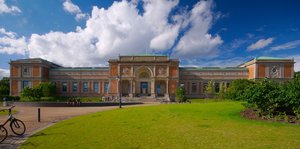
Aos olhos da galeria, a pintura mais famosa de Wilhelm Bendz é The German Painter Marcus Johann Heaselich (1831), cuja obra original está exposta no Statens Museum For Kunst, em Copenhague. Countess Sophia Vilhelmine Moltke, née Levetzau (1831) e A Smoking Party (1828) completam o trio que todos reconhecem. Dos 37 trabalhos de Wilhelm Bendz em nosso catálogo, a galeria apresenta abaixo as 36 obras mais famosas, cada uma original, com seu ano, seu museu e o que a torna única.

1804 – 1832, Odense Danish golden age Mais obras: Statens Museum For Kunst

As 10 principais pinturas de Wilhelm Bendz na galeria

1
The German Painter Marcus Johann Heaselich (1831) de Wilhelm Bendz

The German Painter Marcus Johann Heaselich

1831 · Oil On Paper · Statens Museum For Kunst, Copenhague

The light catches the side of a man's face, pulling him out of a deep, shadowy background. He sits in a moment of stillness, his gaze drifting toward the left of the frame as if lost in a thought that has nothing to do with the viewer. This is Marcus Johann Heaselich, captured in a way that feels less like a formal sitting and more like a sudden, fleeting glimpse…

2
Countess Sophia Vilhelmine Moltke, née Levetzau (1831) de Wilhelm Bendz

Countess Sophia Vilhelmine Moltke, née Levetzau

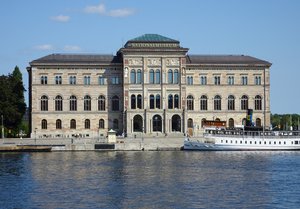
1831 · Oil · Nationalmuseum, Estocolmo

The gaze of Countess Sophia Vilhelmine Moltke, née Levetzau, meets the viewer from within this 1831 portrait by Wilhelm Bendz. She sits with a quiet, composed dignity that speaks of her high social standing and noble lineage. Every detail of her presence suggests a moment of stillness in a life of structured elegance. The subject remains poised, her expression carrying an air of calm authority that defines her character.

3
A Smoking Party (1828) de Wilhelm Bendz

A Smoking Party

1828 · Oil On Canvas · Ny Carlsberg Glyptotek, Copenhague

by Wilhelm Bendz offers a glimpse into a private social gathering within a Copenhagen home during the Golden Age. Created about 1828, the work functions as an all-male genre grouping of tobacco addicts with a musical bent. The scene captures a moment of leisure and conversation among a circle of friends.

4
The Visit of the Beggar to the Artist (1829) de Wilhelm Bendz

The Visit of the Beggar to the Artist

1829 · Oil On Panel

In "The Visit of the Beggar to the Artist" by Wilhelm Bendz, we find ourselves observing a quiet, domestic interior from the early 19th century. The composition is vertically oriented, utilizing a doorway as a framing device to create a sense of depth and a transition between different spaces. This structural choice draws the eye toward the central narrative: an elderly woman and a young child entering a room, seemingly…

5
portrait of the painter Niels Peter Holbech (1824) de Wilhelm Bendz

portrait of the painter Niels Peter Holbech

1824 · Oil On Canvas · Fuglsang Art Museum, Guldborgsund

In the portrait of the painter Niels Peter Holbech, Wilhelm Bendz utilizes a vertical medium shot to position the subject slightly off-center to the left. The young man, characterized by wavy brown hair, leans against a desk within the quiet confines of an artist's studio. He is dressed in a black waistcoat worn over a voluminous white shirt and a dark necktie. To the right, an anatomical sculpture provides a…

6
The German Painter Heinrich Marr (1832) de Wilhelm Bendz

The German Painter Heinrich Marr

1832 · Oil On Canvas · Statens Museum For Kunst, Copenhague

The German Painter Heinrich Marr is a portrait by the Danish artist Wilhelm Bendz. This work captures the likeness of the German painter Heinrich Marr, a man whose presence is fixed within the frame. The artist, Wilhelm Bendz, rendered this image about 1832, a period marking the final chapter of his own creative life.

7
Christian IV på "Trefoldigheden" i slaget på Koldberger Heide 1644 (1828) de Wilhelm Bendz

Christian IV på "Trefoldigheden" i slaget på Koldberger Heide 1644

1828 · Oil · Statens Museum For Kunst, Copenhague

The composition is vertical and dynamic, organized around a pyramidal arrangement of figures that directs the eye from the fallen soldiers in the foreground toward a central protagonist. This central figure, King Christian IV, is positioned amidst a chaotic battle scene, his stature enhanced by a low-angle perspective. The scene depicts the naval and land-based turmoil of the Battle of Koldby Heath in 1644, specifically focusing on the King's presence…

8
Portræt af jomfru Nissen (1825) de Wilhelm Bendz

Portræt af jomfru Nissen

1825 · Oil · Statens Museum For Kunst, Copenhague

In Portræt af jomfru Nissen, Wilhelm Bendz presents a formal and dignified oil portrait of an elderly woman. The composition is a centered, bust-length study that focuses entirely on the subject's presence. She is positioned against a dark, muted background, which allows the viewer to focus on the quiet strength of her features. The color palette is dominated by deep, desaturated tones, creating a somber and classical atmosphere that feels…

10
Young Pan in a Grotto. Model (1825) de Wilhelm Bendz

Young Pan in a Grotto. Model

1825 · Oil On Canvas · Statens Museum For Kunst, Copenhague

This oil on canvas painting, titled Young Pan in a Grotto. Model, was executed by the Danish artist Wilhelm Bendz in 1825. It represents a significant moment in the artist's early development, created during a period when he was refining his command of classical and mythological themes. The work captures a specific, quiet moment of repose, moving away from the genre scenes for which he would later become widely recognized.

Pinturas de Wilhelm Bendz, classificadas de 11 a 36

11Male Model (1824) de Wilhelm BendzMale Model1824 · Statens Museum For Kunst 12Self-Portrait (1825) de Wilhelm BendzSelf-Portrait1825 · Statens Museum For Kunst 13The Raffenberg Family (1830) de Wilhelm BendzThe Raffenberg Family1830 · Statens Museum For Kunst 14Cathrine von Halle, née Nathanson (1830) de Wilhelm BendzCathrine von Halle, née Nathanson1830 · Statens Museum For Kunst 15Dame med strikketøj. En af kunstnerens søstre (?) (1827) de Wilhelm BendzDame med strikketøj. En af kunstnerens søstre (?)1827 · Statens Museum For Kunst 16Unknown Young Gentleman (1831) de Wilhelm BendzUnknown Young Gentleman1831 · Statens Museum For Kunst 17Marie Raffenberg, the Artist's Betrothed (1831) de Wilhelm BendzMarie Raffenberg, the Artist's Betrothed1831 · Statens Museum For Kunst 18The Actor Christoffer Hvid (1826) de Wilhelm BendzThe Actor Christoffer Hvid1826 · Statens Museum For Kunst 19The German Painter Herman Kaufmann (1831) de Wilhelm BendzThe German Painter Herman Kaufmann1831 · Statens Museum For Kunst 20A Sculptor in his Studio Working from the Life (1827) de Wilhelm BendzA Sculptor in his Studio Working from the Life1827 · Statens Museum For Kunst 21Interior with women and children around a table. (1827) de Wilhelm BendzInterior with women and children around a table.1827 22Outside the Odense poorhouse. (1831) de Wilhelm BendzOutside the Odense poorhouse.1831 · Hirschsprung Collection 23Portrait of a young man with a Phrygian cap (1825) de Wilhelm BendzPortrait of a young man with a Phrygian cap1825 · Ny Carlsberg Glyptotek 24Artists in Finck's Coffee House (1832) de Wilhelm BendzArtists in Finck's Coffee House1832 · Thorvaldsen Museum 25Portrait of the German Painter Wilhelm von Kaulbach (1832) de Wilhelm BendzPortrait of the German Painter Wilhelm von Kaulbach1832 · Statens Museum For Kunst 26Portrait of a girl in a black dress sitting at table (1837) de Wilhelm BendzPortrait of a girl in a black dress sitting at table1837 · Statens Museum For Kunst 27Portrait of a Man de Wilhelm BendzPortrait of a ManMuseu Fitzwilliam 28A Coach House. Partenkirchen (1831) de Wilhelm BendzA Coach House. Partenkirchen1831 · Statens Museum For Kunst 29Parti ved Odense kanal (1825) de Wilhelm BendzParti ved Odense kanal1825 · Statens Museum For Kunst 30Mountain landscape (1831) de Wilhelm BendzMountain landscape1831 · Hirschsprung Collection 31The Church of Ramsau (1832) de Wilhelm BendzThe Church of Ramsau1832 · The Ashmolean Museum of Art and Archaeology 32Study of Light in a Vaulted Interior de Wilhelm BendzStudy of Light in a Vaulted Interior 33Portrait of a Woman de Wilhelm BendzPortrait of a WomanMuseu Fitzwilliam 34A Young Artist (Ditlev Blunck) Examining a Sketch in a Mirror (1826) de Wilhelm BendzA Young Artist (Ditlev Blunck) Examining a Sketch in a Mirror1826 · Statens Museum For Kunst 35Familien Waagepetersen (1830) de Wilhelm BendzFamilien Waagepetersen1830 · Statens Museum For Kunst 36Interior from Amaliegade. Captain Carl Ludvig Bendz standing and Dr. Jacob Christian Bendz seated (1829) de Wilhelm BendzInterior from Amaliegade. Captain Carl Ludvig Bendz standing and Dr. Jacob Christian Bendz seated1829 · Hirschsprung Collection

Pinturas famosas de Wilhelm Bendz, período por período

Os temas que cativaram o olhar de Wilhelm Bendz

Os quatro temas que mais se repetem nestas obras originais, cada um com o seu melhor exemplo.

Os museus que guardam os originais de Wilhelm Bendz

Os 8 museus que detêm a maioria das pinturas desta página.

Museus Cidade Obras de Wilhelm Bendz Pinturas desta lista
Statens Museum For Kunst, CopenhagueStatens Museum For Kunst Copenhague 22 The German Painter Marcus Johann Heaselich, The German Painter Heinrich Marr, Christian IV på "Trefoldigheden" i slaget på Koldberger Heide 1644
Hirschsprung Collection, CopenhagueHirschsprung Collection Copenhague 3 Outside the Odense poorhouse., Mountain landscape, Interior from Amaliegade. Captain Carl Ludvig Bendz standing and Dr. Jacob Christian Bendz seated
Ny Carlsberg Glyptotek, CopenhagueNy Carlsberg Glyptotek Copenhague 2 A Smoking Party, Portrait of a young man with a Phrygian cap
Museu Fitzwilliam, CambridgeMuseu Fitzwilliam Cambridge 2 Portrait of a Man, Portrait of a Woman
Nationalmuseum, EstocolmoNationalmuseum Estocolmo 1 Countess Sophia Vilhelmine Moltke, née Levetzau
Fuglsang Art Museum, GuldborgsundFuglsang Art Museum Guldborgsund 1 portrait of the painter Niels Peter Holbech
Thorvaldsen Museum, CopenhagaThorvaldsen Museum Copenhaga 1 Artists in Finck's Coffee House
The Ashmolean Museum of Art and Archaeology, OxfordThe Ashmolean Museum of Art and Archaeology Oxford 1 The Church of Ramsau

Wilhelm Bendz, as pinturas emblemáticas de cada ano

Cerca de dez anos, de 1824 a 1832, foram suficientes para Wilhelm Bendz: a galeria percorre-os ano a ano, um original famoso após o outro.

Obras por ano

Escolha um ano para ver as obras originais.

Pinturas de Wilhelm Bendz: a galeria responde

Qual pintura de Wilhelm Bendz é a mais famosa de todas?Revelar a resposta

The German Painter Marcus Johann Heaselich (1831), Statens Museum For Kunst, Copenhague. Countess Sophia Vilhelmine Moltke, née Levetzau (1831) e A Smoking Party (1828) vêm a seguir.

Qual era a idade de Wilhelm Bendz ao concluir The German Painter Marcus Johann Heaselich?Revelar a resposta

27 anos: The German Painter Marcus Johann Heaselich data de 1831, e Wilhelm Bendz nasceu em 1804.

Quais são as 10 principais pinturas de Wilhelm Bendz?Revelar a resposta

The German Painter Marcus Johann Heaselich, Countess Sophia Vilhelmine Moltke, née Levetzau, A Smoking Party, The Visit of the Beggar to the Artist, portrait of the painter Niels Peter Holbech, The German Painter Heinrich Marr, Christian IV på "Trefoldigheden" i slaget på Koldberger Heide 1644, Portræt af jomfru Nissen, The Life Class at the Royal Academy of Fine Arts e Young Pan in a Grotto. Model. O ranking acima apresenta o ano e o museu de cada uma.

Quantas obras Wilhelm Bendz criou?Revelar a resposta

Nosso catálogo contém 37 obras de Wilhelm Bendz, datadas de 1824 a 1832.

Onde estão expostos os originais mais famosos de Wilhelm Bendz?Revelar a resposta

Principalmente em Statens Museum For Kunst (Copenhague), Hirschsprung Collection (Copenhague) e Ny Carlsberg Glyptotek (Copenhague). A tabela de museus acima lista todos eles.

Quando é que Wilhelm Bendz criou as suas pinturas mais famosas?Revelar a resposta

Em 1831: 8 das 36 obras nesta página foram feitas então, sendo The German Painter Marcus Johann Heaselich delas.

Quais são as obras mais famosas de Wilhelm Bendz no início e no fim de sua carreira?Revelar a resposta

Nesta página, a mais antiga é portrait of the painter Niels Peter Holbech (1824) e a mais recente é The German Painter Heinrich Marr (1832).

Quais temas Wilhelm Bendz mais explorou?Revelar a resposta

Man (14), Woman (11) e Portrait (10), entre as 36 obras nesta página.

Em qual técnica Wilhelm Bendz mais trabalhou?Revelar a resposta

Oil On Canvas, para 19 das 36 obras nesta página.

Com qual movimento Wilhelm Bendz está associado(a)?Revelar a resposta

Danish golden age, a julgar pelos originais nesta página.

Quais obras originais de Wilhelm Bendz o Statens Museum For Kunst possui?Revelar a resposta

The German Painter Marcus Johann Heaselich, The German Painter Heinrich Marr e Christian IV på "Trefoldigheden" i slaget på Koldberger Heide 1644: o Statens Museum For Kunst, Copenhague detém 22 das obras desta página.

Wilhelm Bendz: o artista

Wilhelm Ferdinand Bendz: Uma Breve Biografia

Nascido em 20 de março de 1804, em Odense, na Dinamarca, Wilhelm Bendz emergiu como uma figura luminosa durante a Idade de Ouro Dinamarquesa. Sua trajetória, embora marcada por uma vida prematura, foi definida por um talento precoce que o levou das paisagens de Funen para os centros de formação artística da Europa. Bendz faleceu precocemente em 14 de novembro de 1832, em Vicenza, no Império Austríaco (atual Itália), deixando para trás um legado de precisão técnica e sensibilidade observacional que captura a essência de sua era.

Juventude e Formação Artística

Nascido em Odense, na ilha de Funen, Wilhelm Bendz revelou um talento artístico precoce que o levou a partir para Copenhague em busca de uma formação sólida. Entre 1820 e 1825, ele teve o privilégio de estudar na Real Academia de Belas Artes da Dinamarca sob a tutela de Christoffer Wilhelm Eckersberg, uma figura fundamental e transformadora na pintura dinamarquesa. Em 1825, Bendz buscou a prestigiada medalha de ouro para pintura histórica, mas o reconhecimento não veio como esperado; esse revés, contudo, moldou seu destino, levando-o a concentrar seu olhar e sua técnica nos retratos e nas cenas de gênero. Ao longo de sua trajetória, é provável que tenha absorvido profundas influências da pintura alemã contemporânea, especialmente da Escola de Munique, elementos que deixaram uma marca indelével em seu estilo artístico único.

Destaques da Carreira e Desenvolvimento Artístico

Após sua graduação, Wilhelm Bendz passou a expor regularmente em Charlottenborg, onde suas obras começaram a conquistar o reconhecimento do público e da crítica. O prestigiado acervo da Coleção Real de Pintura adquiriu diversas de suas telas, incluindo obras marcantes como "Classe de Modelos na Academia de Belas Artes", "Um Jovem Artista Observando um Esboço Através de um Espelho" e “Um Escultor Trabalhando com um Modelo Vivo”.

Sua trajetória foi profundamente moldada pelo convívio acadêmico, tendo atuado como assistente no estúdio de Eckersberg, onde desempenhou tarefas minuciosas, como a reconstrução de pinturas históricas e a criação de cópias magistrais. Em 1830, um novo horizonte se abriu para o artista através de uma bolsa de estudos para viagens, que o permitiu explorar o Sul da Europa. Durante essa jornada, ele dedicou aproximadamente um ano à vibrante Munique, que na época pulsava como um dos grandes centros artísticos do continente.

Foi nesse contexto de efervescência cultural que surgiu sua obra mais significativa desse período: "Artista à Noite no Café Finck em Munique". Esta peça, um retrato de grupo, é um testemunho sublime de seu estilo em constante evolução e de sua extraordinária capacidade de observação da vida cotidiana.

Estilo Artístico e Influências

A trajetória estética de Wilhelm Bendz foi profundamente moldada pela influência de Christoffer Wilhelm Eckersberg, de quem herdou o rigor na observação direta, a precisão na representação e uma clareza composicional magistral. Além dessa base acadêmica, a Escola de Munique também desempenhou um papel fundamental na lapidação de sua visão artística, conferindo novas camadas ao seu olhar. Suas obras são marcadas por uma iluminação sofisticada e composições complexas que capturam com realismo vívido a vida cotidiana, com um foco especial em cenas que envolvem artistas e seus círculos sociais. Bendz demonstrava uma virtuosidade técnica excepcional ao retratar ambientes internos, dedicando uma atenção meticulosa ao jogo entre luz e sombra, o que conferia uma profundidade e um realismo extraordinários às suas criações.

Legado e Significância Histórica

Apesar de uma carreira relativamente curta, interrompida precocemente por sua morte aos 28 anos, Wilhelm Bendz permanece na memória da história da arte como um dos artistas mais talentosos de sua geração. Suas pinturas oferecem visões preciosas sobre os círculos artísticos e a vida cotidiana dos artistas dinamarqueses durante a Idade de Ouro. A habilidade de Bendz em fundir o retrato, as cenas de gênero e elementos alegóricos revela não apenas sua ambição, mas uma versatilidade artística extraordinária. Obras fundamentais, como "Artista à Noite na Cafeteria Finck em Munique", continuam a ser admiradas por sua maestria técnica e pelo retrato íntimo e sensível da vida artística.