Retrato de Vittore Crivelli

Pinturas de Vittore Crivelli: As 21 mais famosas, sob o olhar de uma galeria

Atualizado em Novembro 2026 · classificado pela nossa pontuação de popularidade (pesquisas, visitas e pedidos de cada obra) · 21 obras de Vittore Crivelli em nosso catálogo

Em resumo

Aos olhos da galeria, a pintura mais famosa de Vittore Crivelli é Saint Jerome (panel from an altarpiece) (1481), cuja obra original está exposta no Victoria and Albert Museum, em Londres. Madonna and Child with Two Angels (1481) e Madonna and Child Enthroned with Two Angels and a Donor (1481) completam o trio que todos reconhecem. Dos 21 trabalhos de Vittore Crivelli em nosso catálogo, a galeria apresenta abaixo as 21 obras mais famosas, cada uma original, com seu ano, seu museu e o que a torna única.

1440 – 1501, Veneza Renaissance Mais obras: Musée du Petit Palais

As 10 principais pinturas de Vittore Crivelli na galeria

2
Madonna and Child with Two Angels (1481) de Vittore Crivelli

Madonna and Child with Two Angels

1481 · Tempera On Panel · Metropolitan Museum of Art, Nova York

The air within the frame feels heavy with a quiet, sacred stillness. A Madonna sits in a shallow, intimate space, her presence commanding the viewer through a meticulous attention to detail that borders on the hyper-realistic. She holds the Christ child, whose soft skin glows against the heavy, ornate brocade of her cloak. Flanking them, two angels lean in, their faces caught in a moment of eternal adoration. The scene…

3
Madonna and Child Enthroned with Two Angels and a Donor (1481) de Vittore Crivelli

Madonna and Child Enthroned with Two Angels and a Donor

1481 · Tempera On Panel · Metropolitan Museum of Art, Nova York

The scene unfolds with a profound sense of stillness, as if the air itself has thickened with the presence of the sacred. At the center of this celestial arrangement, the Madonna sits upon an elevated throne, her figure commanding the space with a quiet, monumental grace. She holds the Christ Child, whose small form is cradled against her, creating a focal point of soft curves amidst a world of sharp,…

4
Madonna and Child with a clove. (1450) de Vittore Crivelli

Madonna and Child with a clove.

1450 · Tempera On Panel · Castelo Real de Wawel, Cracóvia

This work, titled Madonna and Child with a clove., was painted by Vittore Crivelli. It represents a quiet moment of devotion, capturing the Virgin Mary and the Christ Child in a composition that reflects the artist's specific approach to religious portraiture. The piece is dated about 1450, a period when the artist was establishing his presence within the Venetian tradition.

5
Enthroned Virgin and Child, with Angels and Saints Bonaventure, John the Baptist, Louis of Toulouse, and Francis of Assisi (1481) de Vittore Crivelli

Enthroned Virgin and Child, with Angels and Saints Bonaventure, John the Baptist, Louis of Toulouse, and Francis of Assisi

1481 · Tempera On Panel · Philadelphia Museum of Art, Filadélfia

This polyptych, dated 1481, presents a formal arrangement of religious figures within a carved, gilded wooden frame. At the center, the Virgin Mary sits upon a throne, holding the Christ Child. She is flanked by vertical panels that house four distinct saints: Bonaventure, John the Baptist, Louis of Toulouse, and Francis of Assisi. Small angels occupy the space at the feet of the central figures. The composition follows a strict,…

6
St. Louis of Toulouse (1497) de Vittore Crivelli

St. Louis of Toulouse

1497 · Tempera On Panel · Vanderbilt Museum of Art, Nashville

The figure of St. Louis of Toulouse emerges from the shadows of history in this 1497 portrait by Vittore Crivelli. He appears before us not as a distant memory, but as a living presence, draped in the heavy, ceremonial weight of ecclesiastical vestments. The saintly figure holds his symbols of office with a quiet, steady grace that commands the viewer's immediate attention. Every fold of his liturgical attire speaks to…

7
St. Bonaventure, pendant to St. Louis (1490) de Vittore Crivelli

St. Bonaventure, pendant to St. Louis

1490 · Tempera On Panel · Rijksmuseum, Amsterdã

Vittore Crivelli presents a vertical, full-length portrait of St. Bonaventure, a figure of profound religious authority. The saint is positioned centrally, occupying the majority of the panel's height. He holds a crozier and an open book, symbols of his wisdom and ecclesiastical rank. The composition is characterized by a sharp, precise line that defines the heavy folds of his vestments and the delicate features of his face. Soft, diffused light…

8
St. Francis (1490) de Vittore Crivelli

St. Francis

1490 · Tempera On Panel · El Paso Museum of Art, El Paso

In this portrait of St. Francis by Vittore Crivelli, the subject is presented within a vertical, single-figure composition. He is framed by an arched architectural structure that creates a sense of shallow, intimate space. The saint is dressed in a heavy, tan or light brown Franciscan habit, which is secured at the waist by a knotted cord. In his right hand, he holds a thin wooden crucifix, while his left…

9
Saint Catherine (panel from an altarpiece) (1481) de Vittore Crivelli

Saint Catherine (panel from an altarpiece)

1481 · Tempera On Panel · Victoria and Albert Museum, Londres

The light of a Venetian afternoon seems to emanate from within the panel itself, where Saint Catherine emerges from a background of pure, shimmering gold. She exists in a space that feels both physical and celestial, her presence defined by the weight of the book she holds and the quiet dignity of her posture. A crown rests upon her head, catching the light, while a cross hangs near her neck,…

10
Saint Jerome de Vittore Crivelli

Saint Jerome

Tempera On Panel · Harvard Art Museums, Cambridge

A solemn, bust-length figure dominates this vertical panel, rendered with the meticulous precision characteristic of the Venetian school. The saint is depicted in a moment of quiet melancholy, his gaze cast downward in contemplation. He wears the deep red mantle and hat of a cardinal, a stark contrast to the luminous, white strands of his flowing beard. His hands hold the tools of his vocation: an open book and a…

Pinturas de Vittore Crivelli, classificadas de 11 a 21

Os temas que cativaram o olhar de Vittore Crivelli

Os quatro temas que mais se repetem nestas obras originais, cada um com o seu melhor exemplo.

Os museus que guardam os originais de Vittore Crivelli

Os 8 museus que detêm a maioria das pinturas desta página.

Museus Cidade Obras de Vittore Crivelli Pinturas desta lista
Musée du Petit Palais, AvignonMusée du Petit Palais Avignon 5 SAINT PIERRE, SAINT JULIEN, Saint Michel
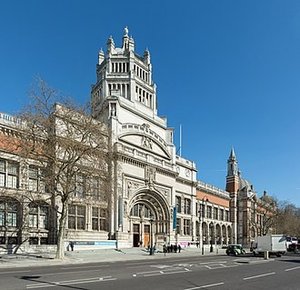
Victoria and Albert Museum, LondresVictoria and Albert Museum Londres 2 Saint Jerome (panel from an altarpiece), Saint Catherine (panel from an altarpiece)
Metropolitan Museum of Art, Nova YorkMetropolitan Museum of Art Nova York 2 Madonna and Child with Two Angels, Madonna and Child Enthroned with Two Angels and a Donor
Rijksmuseum, AmsterdãRijksmuseum Amsterdã 2 St. Bonaventure, pendant to St. Louis, St Louis of France, Vittore Crivelli, 1481 - 1502
Castelo Real de Wawel, CracóviaCastelo Real de Wawel Cracóvia 1 Madonna and Child with a clove.
Philadelphia Museum of Art, FiladélfiaPhiladelphia Museum of Art Filadélfia 1 Enthroned Virgin and Child, with Angels and Saints Bonaventure, John the Baptist, Louis of Toulouse, and Francis of Assisi
Vanderbilt Museum of Art Nashville 1 St. Louis of Toulouse
El Paso Museum of Art, El PasoEl Paso Museum of Art El Paso 1 St. Francis

Vittore Crivelli, uma pintura emblemática por década

Obras por década

Escolha uma década para ver a obra original que a define.

Pinturas de Vittore Crivelli: a galeria responde

Qual pintura de Vittore Crivelli é a mais famosa de todas?Revelar a resposta

Saint Jerome (panel from an altarpiece) (1481), Victoria and Albert Museum, Londres. Madonna and Child with Two Angels (1481) e Madonna and Child Enthroned with Two Angels and a Donor (1481) vêm a seguir.

Qual era a idade de Vittore Crivelli ao concluir Saint Jerome (panel from an altarpiece)?Revelar a resposta

41 anos: Saint Jerome (panel from an altarpiece) data de 1481, e Vittore Crivelli nasceu em 1440.

Quais são as 10 principais pinturas de Vittore Crivelli?Revelar a resposta

Saint Jerome (panel from an altarpiece), Madonna and Child with Two Angels, Madonna and Child Enthroned with Two Angels and a Donor, Madonna and Child with a clove., Enthroned Virgin and Child, with Angels and Saints Bonaventure, John the Baptist, Louis of Toulouse, and Francis of Assisi, St. Louis of Toulouse, St. Bonaventure, pendant to St. Louis, St. Francis, Saint Catherine (panel from an altarpiece) e Saint Jerome. O ranking acima apresenta o ano e o museu de cada uma.

Quantas obras Vittore Crivelli criou?Revelar a resposta

Nosso catálogo contém 21 obras de Vittore Crivelli, datadas de 1450 a 1497.

Onde estão expostos os originais mais famosos de Vittore Crivelli?Revelar a resposta

Principalmente em Musée du Petit Palais (Avignon), Victoria and Albert Museum (Londres) e Metropolitan Museum of Art (Nova York). A tabela de museus acima lista todos eles.

Quando é que Vittore Crivelli criou as suas pinturas mais famosas?Revelar a resposta

Em 1480s: 8 das 21 obras nesta página foram feitas então, sendo Saint Jerome (panel from an altarpiece) delas.

Quais são as obras mais famosas de Vittore Crivelli no início e no fim de sua carreira?Revelar a resposta

Nesta página, a mais antiga é Madonna and Child with a clove. (1450) e a mais recente é St. Louis of Toulouse (1497).

Quais temas Vittore Crivelli mais explorou?Revelar a resposta

Man (9), Book (8) e Woman (8), entre as 21 obras nesta página.

Em qual técnica Vittore Crivelli mais trabalhou?Revelar a resposta

Tempera On Panel, para 13 das 21 obras nesta página.

Com qual movimento Vittore Crivelli está associado(a)?Revelar a resposta

Renaissance e Venetian renaissance, a julgar pelos originais nesta página.

Quais obras originais de Vittore Crivelli o Musée du Petit Palais possui?Revelar a resposta

SAINT PIERRE, SAINT JULIEN e Saint Michel: o Musée du Petit Palais, Avignon detém 5 das obras desta página.

Vittore Crivelli: o artista

Vittore Crivelli: Um Eco Veneziano do Misticismo Gótico

Vittore Crivelli (n. ca. 1440, Veneza, m. 1501/2, Veneza) destaca-se como uma figura fascinante dentro da Renascença Veneziana — um pintor que abraçou simultaneamente a grandiosidade de sua era e reteve traços do fervor expressivo característico da arte gótica. Nascido em Veneza por volta de 1440, ele emergiu de uma família imersa na tradição artística, notavelmente ligada a Carlo Crivelli, seu irmão, cujo estilo distintivo moldou profundamente a obra de Vittore Crivelli. Enquanto o trabalho de Carlo inclinava-se para narrativas dramáticas infundidas com profundidade simbólica — frequentemente retratando santos e figuras bíblicas banhados por uma luz etérea — Vittore perseguiu uma estética mais contida, priorizando o detalhe meticuloso e o realismo psicológico. Esta dualidade reflete as correntes artísticas mais amplas de Veneza durante o século XV, onde as influências góticas persistiam ao lado dos florescentes ideais humanistas. Pouco se sabe sobre os anos formativos de Vittore além de seu local de nascimento e conexões familiares. É provável que ele tenha recebido treinamento dentro da oficina dos Crivelli, absorvendo as sensibilidades estilísticas de Carlo enquanto desenvolvia sua própria voz artística. Este aprendizado sem dúvida instilou um profundo apreço por paletas de cores expressivas e complexidade composicional — elementos que se tornariam marcas registradas de suas pinturas posteriores. Embora sua produção artística seja relativamente modesta em comparação com contemporâneos como Ticiano ou Tintoretto, várias peças demonstram uma habilidade e sensibilidade notáveis. Entre suas obras mais celebradas está “São Luís de França”, um retábulo monumental encomendado para a Catedral de Saint Louis em Bordeaux (1481-1502), que exibe o domínio de Vittore Crivelli sobre a perspectiva e o drapeado — uma técnica fortemente devedora da pintura flamenga. Da mesma forma, "Saint Michel," abrigada no Musée du Petit Palais em Avignon, exemplifica sua atenção meticulosa aos detalhes e o retrato psicológico de figuras religiosas. O estilo de Vittore Crivelli distingue-se por um equilíbrio cuidadoso entre as convenções góticas e renascentistas. Ele empregou técnicas de veladura luminosa — herdadas dos mestres flamengos — para alcançar uma profundidade atmosférica e imbuir suas telas com um brilho de outro mundo. No entanto, ao contrário das composições teatrais de Carlo Crivelli, Vittore favorecia cenas mais contemplativas, focando em transmitir a emoção interior em vez do grande espetáculo. Sua renderização meticulosa de texturas — particularmente as dobras dos tecidos — revela uma dedicação ao realismo que antecipa os desenvolvimentos estilísticos do Maneirismo. O legado artístico de Vittore Crivelli reside principalmente em sua contribuição para a paisagem estética em evolução da pintura veneziana. Ele serviu como um importante condutor entre as tradições gótica e renascentista, demonstrando como os artistas poderiam sintetizar influências díspares em uma linguagem visual coesa. Embora tenha sido eclipsado por figuras mais exuberantes de seu tempo, as pinturas de Vittore continuam a cativar os espectadores com sua beleza serena e profunda percepção psicológica — testemunhos do poder duradouro da história da arte veneziana. Informações sobre os últimos anos de sua vida são escassas; ele morreu em Veneza por volta de 1501 ou 1502, deixando para trás um corpo de obra modesto, mas significativo, que reflete sua visão artística e assegura seu lugar como um artista notável da Renascença Veneziana.

Coleções de Museus que Apresentam Obras de Vittore Crivelli

As pinturas de Vittore Crivelli adornam vários museus proeminentes na Itália e internacionalmente, oferecendo percepções inestimáveis sobre a arte veneziana durante o século XV. Entre os acervos notáveis, destacam-se: Estas instituições salvaguardam obras-primas que exemplificam o estilo distintivo de Crivelli e contribuem para uma compreensão mais ampla da inovação artística veneziana.