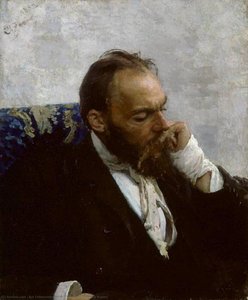
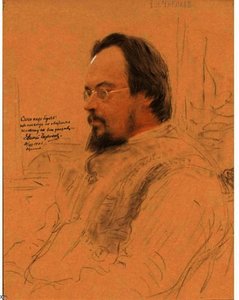
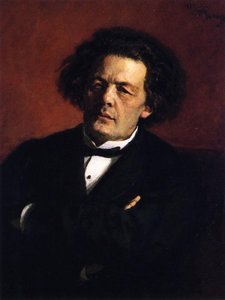
Portrait of Ilya Yefimovich Repin

The 100 Most Famous Ilya Yefimovich Repin Paintings, Each One of a Kind

Updated Outubro 2026 · ranked by our popularity score (searches, visits and orders for each work) · 672 works by Ilya Yefimovich Repin in our catalogue

In short

Ivan, o Terrível, e seu filho Ivan em 16 de novembro de 1885 (1885) is the Ilya Yefimovich Repin painting that draws the most eyes; the original belongs to the Galeria Tretyakov, Moscovo. After it, the eye goes to A Resposta dos Cossacos Zaporozhianos ao Sultão Mahmoud IV (1878) and Barqueiros no Volga (1873). Among the 672 works of Ilya Yefimovich Repin in our catalog, these 100 are the most famous, each a unique original presented with its year, its museum and the reason it endures.

1844 – 1930, Chuhuiv Realism expressionism Most works: Galeria Tretyakov

Top 10 paintings by Ilya Yefimovich Repin, through the gallery's eye

1
Ivan, o Terrível, e seu filho Ivan em 16 de novembro de 1885 (1885) by Ilya Yefimovich Repin

Ivan, o Terrível, e seu filho Ivan em 16 de novembro de 1885

1885 · Óleo sobre tela · Galeria Tretyakov, Moscovo

A obra em óleo sobre tela intitulada "Ivan, o Terrível, e seu filho Ivan em 16 de novembro de 1885" foi executada pelo artista realista russo Ilya Repin. Esta pintura foi criada entre 1883 e 1885, focando sua composição em um momento histórico específico envolvendo o czar russo Ivan, o Terrível, e seu filho, o Tsarevich Ivan Ivanovich. A cena retrata o czar embalando seu filho agonizante após um golpe…

2
A Resposta dos Cossacos Zaporozhianos ao Sultão Mahmoud IV (1878) by Ilya Yefimovich Repin

A Resposta dos Cossacos Zaporozhianos ao Sultão Mahmoud IV

1878 · Óleo sobre tela · Museu Estatal Russo, São Petersburgo

“The Reply of the Zaporozhian Cossacks to Sultan Mahmoud IV,” painted in 1878 by the masterful Ilya Yefimovich Repin, isn't merely a historical depiction; it’s a visceral embodiment of Ukrainian spirit – a defiant roar against oppression rendered with breathtaking realism. This monumental canvas transports us to the heart of 17th-century Ukraine, a time when the Zaporozhian Cossacks, fiercely independent warriors beyond the Dnieper rapids, stood as a bulwark against…

3
Barqueiros no Volga (1873) by Ilya Yefimovich Repin

Barqueiros no Volga

1873 · Óleo sobre tela · Museu Estatal Russo, São Petersburgo

Na vasta paisagem do Realismo Russo do século XIX, poucas telas comandam a atenção do espectador com um poder tão bruto e implacável quanto Ilya Yefimovich Repin em sua obra Barqueiros no Volga. Pintada entre 1870 e 1873, esta obra monumental é muito mais do que uma mera representação do trabalho manual; é um profundo estudo psicológico do espírito humano sob o peso de privações sistêmicas. Ao contemplar a cena,…

4
Retorno Inesperado (1884) by Ilya Yefimovich Repin

Retorno Inesperado

1884 · Óleo sobre tela · Galeria Tretyakov, Moscovo

Na vasta tapeçaria do Realismo Russo, poucas obras capturam a profunda tensão entre a intimidade privada e a agitação pública de forma tão pungente quanto Ilya Yefimovich Repin’s Retorno Inesperado. Pintada em 1884, esta obra-prima é muito mais do que um mero tableau doméstico; é um estudo psicológico de um momento congelado no tempo, onde os limites do santuário de uma família são subitamente rompidos pelo peso da história. A…

5
Sadko (1876) by Ilya Yefimovich Repin

Sadko

1876 · Oil On Canvas · Museu Estatal Russo, São Petersburgo

Ilya Repin’s “Sadko,” completed in 1876, is not merely a depiction of a fantastical tale; it’s an immersion into a world where myth and reality intertwine. This monumental canvas, measuring 323 x 230 cm, captures the essence of Russian folklore – the legend of the Volga boatman Sadko, who traded his riches for three beautiful daughters with the Sea King. The scene unfolds as a vibrant, almost overwhelming, tableau of…

6
Krestny Khod (Religious Procession) in Kursk Gubernia (1883) by Ilya Yefimovich Repin

Krestny Khod (Religious Procession) in Kursk Gubernia

1883 · Oil On Canvas · Galeria Tretyakov, Moscovo

A Social Commentary Through Art "CITE>Ilya Yefimovich Repin:CITE>" is renowned for his captivating and thought-provoking paintings, and "CITE>Krestny Khod (Religious Procession) in Kursk Gubernia:CITE>" stands out as a testament to his skillful storytelling through art. This oil on canvas masterpiece, measuring 175 x 280 cm, was created in 1883 and is now housed at the Tretyakov Gallery in Moscow. The Painting's Significance When first exhibited, "Krestny Khod (Religious Procession) in…

8
Portrait of Chuguev resident S.L. Lyubitskaya (1877) by Ilya Yefimovich Repin

Portrait of Chuguev resident S.L. Lyubitskaya

1877 · Oil On Canvas

To stand before Ilya Yefimovich Repin's Portrait of Chuguev resident S.L. Lyubitskaya is to encounter a moment suspended in time, a quiet dialogue between the subject and the viewer. Painted in 1877, this oil on canvas transcends a mere likeness; it is a profound study in human introspection. Repin, the master chronicler of Russian life, captures here not just the features of S.L. Lyubitskaya, but the very essence of her…

10
The Vice-President of the Academy of Arts, I.I. Tolstoy (1899) by Ilya Yefimovich Repin

The Vice-President of the Academy of Arts, I.I. Tolstoy

1899 · Oil On Canvas · Museu Estatal Russo, São Petersburgo

To gaze upon Ilya Yefimovich Repin's depiction of The Vice-President of the Academy of Arts, I.I. Tolstoy, is to step into a moment suspended in time—a sanctuary of quiet thought amidst the grandeur of late 19th-century Russian intellectual life. This portrait transcends a mere likeness; it captures the very essence of contemplation. The subject, seated with an air of distinguished gravity, holds a book as if it were both a…

Ilya Yefimovich Repin's famous paintings, numbers 11 to 100

11Portrait of the Composer Mikhail Glinka (1887) by Ilya Yefimovich RepinPortrait of the Composer Mikhail Glinka1887 · Galeria Tretyakov 12Portrait of Dmitry Mendeleev (1885) by Ilya Yefimovich RepinPortrait of Dmitry Mendeleev1885 13Portrait of Pavel Tretyakov, Founder of the Tretyakov Gallery. (1883) by Ilya Yefimovich RepinPortrait of Pavel Tretyakov, Founder of the Tretyakov Gallery.1883 · Galeria Tretyakov 14Autorretrato (1887) by Ilya Yefimovich RepinAutorretrato1887 · Galeria Tretyakov 15The Surgeon E. Pavlov in the Operating Theater. (1888) by Ilya Yefimovich RepinThe Surgeon E. Pavlov in the Operating Theater.1888 · Galeria Tretyakov 16Portrait of Emperor Nicholas II (1895) by Ilya Yefimovich RepinPortrait of Emperor Nicholas II1895 · Museu Hermitage 17Portrait of the Actress Pelageya Strepetova (1882) by Ilya Yefimovich RepinPortrait of the Actress Pelageya Strepetova1882 · Galeria Tretyakov 18Portrait of the Composer Modest Musorgsky. (1881) by Ilya Yefimovich RepinPortrait of the Composer Modest Musorgsky.1881 · Galeria Tretyakov 19Portrait of Professor Ivanov (1882) by Ilya Yefimovich RepinPortrait of Professor Ivanov1882 · Finnish National Gallery 20Sadko in the Underwater Kingdom (1875) by Ilya Yefimovich RepinSadko in the Underwater Kingdom1875 · Galeria Tretyakov 21Portrait of the Lawyer Vladimir Spasovitch. (1891) by Ilya Yefimovich RepinPortrait of the Lawyer Vladimir Spasovitch.1891 22Portrait of Composer Cesar Antonovich Cui (1890) by Ilya Yefimovich RepinPortrait of Composer Cesar Antonovich Cui1890 23Портрет Николая Ремизова (1917) by Ilya Yefimovich RepinПортрет Николая Ремизова1917 24Portrait of Bella Gorskaya (1910) by Ilya Yefimovich RepinPortrait of Bella Gorskaya1910 · The State Museum of Fine Arts of Tatarstan Republic 25Portrait of writer Yevgeny Nikolayevich Chirikov (1906) by Ilya Yefimovich RepinPortrait of writer Yevgeny Nikolayevich Chirikov1906 26Portrait of the Surgeon Nikolay Pirogov (1881) by Ilya Yefimovich RepinPortrait of the Surgeon Nikolay Pirogov1881 27Portrait of actor and dramatist Grigory Grigorievich Ghe (1895) by Ilya Yefimovich RepinPortrait of actor and dramatist Grigory Grigorievich Ghe1895 · Nizhniy Tagil State Museum of Fine Arts 28Portrait of the Lawyer Vladimir Spasovitch (1891) by Ilya Yefimovich RepinPortrait of the Lawyer Vladimir Spasovitch1891 29Portrait of actress Eleonora Duse (1891) by Ilya Yefimovich RepinPortrait of actress Eleonora Duse1891 30Portrait of K.B. Boleslavova (1913) by Ilya Yefimovich RepinPortrait of K.B. Boleslavova1913 31Boris Godunov with Ivan the Terrible (1890) by Ilya Yefimovich RepinBoris Godunov with Ivan the Terrible1890 · Art Gallery of Tver 32Portrait of the Author Leonid Andreev. (1904) by Ilya Yefimovich RepinPortrait of the Author Leonid Andreev.1904 33Portrait of the physiologist Ivan Petrovich Pavlov. (1924) by Ilya Yefimovich RepinPortrait of the physiologist Ivan Petrovich Pavlov.1924 · Galeria Tretyakov 34Portrait of Nadya Repina (1881) by Ilya Yefimovich RepinPortrait of Nadya Repina1881 35Portrait of the Art Critic Vladimir Stasov (1889) by Ilya Yefimovich RepinPortrait of the Art Critic Vladimir Stasov1889 36Young ladys walk among herd of cow by Ilya Yefimovich RepinYoung ladys walk among herd of cowTereshchenko Museum 37Golgotha by Ilya Yefimovich RepinGolgotha 38Portrait of painter and sculptor Mikhail Osipovich Mikeshin. (1888) by Ilya Yefimovich RepinPortrait of painter and sculptor Mikhail Osipovich Mikeshin.1888 · Galeria Tretyakov 39Interior (etude). (1883) by Ilya Yefimovich RepinInterior (etude).1883 · Galeria Tretyakov 40Ivan the Terrible and His Son Ivan on November 16, 1581. (1885) by Ilya Yefimovich RepinIvan the Terrible and His Son Ivan on November 16, 1581.1885 · Galeria Tretyakov 41On a Turf Bench. (1876) by Ilya Yefimovich RepinOn a Turf Bench.1876 42Unexpected Visitors (1888) by Ilya Yefimovich RepinUnexpected Visitors1888 43Haulers on the Volga. (1870) by Ilya Yefimovich RepinHaulers on the Volga.1870 44On a Bridge in Abramtsevo. (1879) by Ilya Yefimovich RepinOn a Bridge in Abramtsevo.1879 · Museu Estatal Pushkin de Artes Visuais 45Poet-futurist (retrato de Vladimir Vladimirovich Mayakovsky) by Ilya Yefimovich RepinPoet-futurist (retrato de Vladimir Vladimirovich Mayakovsky) 46Repouso. Retrato de Vera Repina, Esposa do Artista. (1882) by Ilya Yefimovich RepinRepouso. Retrato de Vera Repina, Esposa do Artista.1882 · Galeria Tretyakov 47Portrait of Yuria Repina, the Artist's son. (1882) by Ilya Yefimovich RepinPortrait of Yuria Repina, the Artist's son.1882 · Galeria Tretyakov 48Portrait of the Composer Mikhail Glinka. (1887) by Ilya Yefimovich RepinPortrait of the Composer Mikhail Glinka.1887 · Galeria Tretyakov 49Portrait of Tatyana Repina, the Artist's Mother. (1867) by Ilya Yefimovich RepinPortrait of Tatyana Repina, the Artist's Mother.1867 · Galeria Nacional de Praga 50Retrato do Compositor Anton Rubinstein (1881) by Ilya Yefimovich RepinRetrato do Compositor Anton Rubinstein1881 · Galeria Tretyakov 51Портрет Сергея Витта (1903) by Ilya Yefimovich RepinПортрет Сергея Витта1903 52Portrait of Nadezhda Repina, the Artist's Daughter. (1900) by Ilya Yefimovich RepinPortrait of Nadezhda Repina, the Artist's Daughter.1900 · Galeria Tretyakov 53Judas (1885) by Ilya Yefimovich RepinJudas1885 54Dragon-Fly. Portrait of Vera Repina, the Artist's Daughter. (1884) by Ilya Yefimovich RepinDragon-Fly. Portrait of Vera Repina, the Artist's Daughter.1884 · Galeria Tretyakov 55Retrato do Crítico de Arte Vladimir Stasov (1889) by Ilya Yefimovich RepinRetrato do Crítico de Arte Vladimir Stasov1889 · Galeria Tretyakov 56Portrait of the artist daughter Nadezhda (1898) by Ilya Yefimovich RepinPortrait of the artist daughter Nadezhda1898 57Portrait of the Artist Ilya Repin by Valentin Serov. (1901) by Ilya Yefimovich RepinPortrait of the Artist Ilya Repin by Valentin Serov.1901 · Galeria Tretyakov 58Portrait of the Author Vladimir Korolemko. (1912) by Ilya Yefimovich RepinPortrait of the Author Vladimir Korolemko.1912 · Galeria Tretyakov 59Portrait of S.F. Mamontova (1879) by Ilya Yefimovich RepinPortrait of S.F. Mamontova1879 60Zaporozhets by Ilya Yefimovich RepinZaporozhetsVitebsk Museum of Modern Art 61The road from Montmartre in Paris (1876) by Ilya Yefimovich RepinThe road from Montmartre in Paris1876 62The Procurator (1912) by Ilya Yefimovich RepinThe Procurator1912 · Finnish National Gallery 63A Shy Peasant (1877) by Ilya Yefimovich RepinA Shy Peasant1877 64Cry of prophet Jeremiah on the Ruins of Jerusalem (on a Bible subject) (1870) by Ilya Yefimovich RepinCry of prophet Jeremiah on the Ruins of Jerusalem (on a Bible subject)1870 · Galeria Tretyakov 65Religious Procession (1877) by Ilya Yefimovich RepinReligious Procession1877 · Museu Estatal Russo 66Old Man and Raven (1885) by Ilya Yefimovich RepinOld Man and Raven1885 · Alte Nationalgalerie 67Tramps. Homeless. (1894) by Ilya Yefimovich RepinTramps. Homeless.1894 68Portrait of Vladimir Aleksandrovich (1910) by Ilya Yefimovich RepinPortrait of Vladimir Aleksandrovich1910 69A woman in a cap by Ilya Yefimovich RepinA woman in a capVitebsk Museum of Modern Art 70Portrait of the Art Critic Vladimir Stasov (1873) by Ilya Yefimovich RepinPortrait of the Art Critic Vladimir Stasov1873 71A Parisian Cafe (1875) by Ilya Yefimovich RepinA Parisian Cafe1875 72The Surgeon E. Pavlov in the Operating Theater (1888) by Ilya Yefimovich RepinThe Surgeon E. Pavlov in the Operating Theater1888 · Galeria Tretyakov 73Portrait of Leo Tolstoy as a Ploughman on a Field (1887) by Ilya Yefimovich RepinPortrait of Leo Tolstoy as a Ploughman on a Field1887 · Galeria Tretyakov 74Portrait of the Chello-Player Alexander Verzhbilovich. (1895) by Ilya Yefimovich RepinPortrait of the Chello-Player Alexander Verzhbilovich.1895 75Portrait of Polixena Stasova. (1879) by Ilya Yefimovich RepinPortrait of Polixena Stasova.1879 76The Self immolation of Gogol (1909) by Ilya Yefimovich RepinThe Self immolation of Gogol1909 · Galeria Tretyakov 77Portrait of Tevashova by Ilya Yefimovich RepinPortrait of Tevashova 78Diogenes and the boy (1867) by Ilya Yefimovich RepinDiogenes and the boy1867 79Portrait of A. Bocharova, artist's aunts (1859) by Ilya Yefimovich RepinPortrait of A. Bocharova, artist's aunts1859 80Barge Haulers Pulling on the Strap (1870) by Ilya Yefimovich RepinBarge Haulers Pulling on the Strap1870 81Portrait of P.P. Chistyakov (1870) by Ilya Yefimovich RepinPortrait of P.P. Chistyakov1870 82Portrait of sculptor Mark Matveevich Antokolski (1866) by Ilya Yefimovich RepinPortrait of sculptor Mark Matveevich Antokolski1866 83Portrait of a kalmyk (1871) by Ilya Yefimovich RepinPortrait of a kalmyk1871 84Portrait of A.I. Shevtsov (1869) by Ilya Yefimovich RepinPortrait of A.I. Shevtsov1869 85Academic keeper Efimov (1870) by Ilya Yefimovich RepinAcademic keeper Efimov1870 86Crucession in Oak wood (1877) by Ilya Yefimovich RepinCrucession in Oak wood1877 87Study of a peasant in the grass. (1875) by Ilya Yefimovich RepinStudy of a peasant in the grass.1875 · Museu Nacional de Varsóvia 88The Scytheman (1876) by Ilya Yefimovich RepinThe Scytheman1876 · Finnish National Gallery 89Portrait de Mykola Ivanovich Murashko (1877) by Ilya Yefimovich RepinPortrait de Mykola Ivanovich Murashko1877 · Museu Nacional de Arte da Ucrânia 90Under guard. On a dirty road (1876) by Ilya Yefimovich RepinUnder guard. On a dirty road1876 · Galeria Tretyakov 91Death of Fedor Chizhov (1877) by Ilya Yefimovich RepinDeath of Fedor Chizhov1877 92Reading Aloud (1878) by Ilya Yefimovich RepinReading Aloud1878 93Two woman (1878) by Ilya Yefimovich RepinTwo woman1878 94To his homeland. The hero of the last war (1878) by Ilya Yefimovich RepinTo his homeland. The hero of the last war1878 95Death of Fedor Chizhov (1877) by Ilya Yefimovich RepinDeath of Fedor Chizhov1877 96Portrait of the artist R. S. Levitsky (1878) by Ilya Yefimovich RepinPortrait of the artist R. S. Levitsky1878 · Finnish National Gallery 97Portrait of V. Repin, musician, brother of the artist (1876) by Ilya Yefimovich RepinPortrait of V. Repin, musician, brother of the artist1876 98A Newspaper Seller in Paris (1873) by Ilya Yefimovich RepinA Newspaper Seller in Paris1873 99Portrait of poet and slavophile Ivan Sergeyevich Aksakov (1878) by Ilya Yefimovich RepinPortrait of poet and slavophile Ivan Sergeyevich Aksakov1878 100Girl at a Table (1883) by Ilya Yefimovich RepinGirl at a Table1883 · Finnish National Gallery

Ilya Yefimovich Repin's famous paintings, period by period

The subjects that held Ilya Yefimovich Repin's eye

The four subjects that come back most often in these originals, each with its finest example.

The museums that keep Ilya Yefimovich Repin's originals

The 8 museums that hold the most of the paintings on this page.

Museum City Works by Ilya Yefimovich Repin Paintings from this list
Galeria Tretyakov, MoscovoGaleria Tretyakov Moscovo 59 Ivan, o Terrível, e seu filho Ivan em 16 de novembro de 1885, Retorno Inesperado, Krestny Khod (Religious Procession) in Kursk Gubernia
Museu Estatal Russo, São PetersburgoMuseu Estatal Russo São Petersburgo 28 A Resposta dos Cossacos Zaporozhianos ao Sultão Mahmoud IV, Barqueiros no Volga, Sadko
Finnish National Gallery, HelsinkiFinnish National Gallery Helsinki 29 Portrait of Professor Ivanov, The Procurator, The Scytheman
Vitebsk Museum of Modern Art, VitebskVitebsk Museum of Modern Art Vitebsk 2 Zaporozhets, A woman in a cap
The State Museum of Fine Arts of Tatarstan Republic, KazanThe State Museum of Fine Arts of Tatarstan Republic Kazan 2 Portrait of Bella Gorskaya
Nizhniy Tagil State Museum of Fine Arts, Nizhny TagilNizhniy Tagil State Museum of Fine Arts Nizhny Tagil 2 Portrait of actor and dramatist Grigory Grigorievich Ghe
Museu Nacional de Varsóvia, VarsóviaMuseu Nacional de Varsóvia Varsóvia 2 Study of a peasant in the grass.
Museu Hermitage, São PetersburgoMuseu Hermitage São Petersburgo 1 Portrait of Emperor Nicholas II

Ilya Yefimovich Repin across the decades: one unique original for each

Works per decade

Pick a decade to see the original that defines it.

Ilya Yefimovich Repin's paintings: questions for the gallery

What is the single most famous work of Ilya Yefimovich Repin?Reveal the answer

Ivan, o Terrível, e seu filho Ivan em 16 de novembro de 1885 (1885), Galeria Tretyakov, Moscovo. A Resposta dos Cossacos Zaporozhianos ao Sultão Mahmoud IV (1878) and Barqueiros no Volga (1873) come next.

At what age did Ilya Yefimovich Repin create Ivan, o Terrível, e seu filho Ivan em 16 de novembro de 1885?Reveal the answer

41 years old: Ivan, o Terrível, e seu filho Ivan em 16 de novembro de 1885 dates from 1885, and Ilya Yefimovich Repin was born in 1844.

Which ten paintings by Ilya Yefimovich Repin are the most famous?Reveal the answer

Ivan, o Terrível, e seu filho Ivan em 16 de novembro de 1885, A Resposta dos Cossacos Zaporozhianos ao Sultão Mahmoud IV, Barqueiros no Volga, Retorno Inesperado, Sadko, Krestny Khod (Religious Procession) in Kursk Gubernia, Ceremonial Meeting of the State Council, Portrait of Chuguev resident S.L. Lyubitskaya, Portrait of the Poet Voinov and The Vice-President of the Academy of Arts, I.I. Tolstoy. The ranking above gives each one's year and museum.

How many works by Ilya Yefimovich Repin are known?Reveal the answer

Our catalog holds 672 works by Ilya Yefimovich Repin, dated from 1859 to 1926.

Where can the most famous Ilya Yefimovich Repin originals be seen?Reveal the answer

Mostly in Galeria Tretyakov (Moscovo), Museu Estatal Russo (São Petersburgo) and Finnish National Gallery (Helsinki). The museum table above lists them all.

During which period did Ilya Yefimovich Repin create the best-known paintings?Reveal the answer

In 1870s: 34 of the 100 works on this page were made then, A Resposta dos Cossacos Zaporozhianos ao Sultão Mahmoud IV among them.

Which famous Ilya Yefimovich Repin painting is the earliest, and which the latest?Reveal the answer

On this page, the earliest is Portrait of A. Bocharova, artist's aunts (1859) and the latest Portrait of the Poet Voinov (1926).

What subjects did Ilya Yefimovich Repin favour?Reveal the answer

Portrait (36), Russian art (30) and Portraits (10), across the 100 works on this page.

What materials did Ilya Yefimovich Repin paint with most?Reveal the answer

Oil On Canvas, for 45 of the 100 works on this page.

Which movement does the work of Ilya Yefimovich Repin belong to?Reveal the answer

Realism expressionism, judging by the originals on this page.

What Ilya Yefimovich Repin originals can I see at the Galeria Tretyakov?Reveal the answer

Ivan, o Terrível, e seu filho Ivan em 16 de novembro de 1885, Retorno Inesperado and Krestny Khod (Religious Procession) in Kursk Gubernia: the Galeria Tretyakov, Moscovo holds 28 of the works on this page.

Where can I order a hand-painted Ilya Yefimovich Repin reproduction?Reveal the answer

Yes, as a reproduction: the original stays in its museum, but any painting on this page can be painted by hand for you, made to order one at a time, from the painting's own page.

Ilya Yefimovich Repin: a portrait of the artist

Primeiros Anos, Família e Formação

Ilya Yefimovich Repin chegou ao mundo em 5 de agosto de 1844, em Chuguev, situada no Governadorado de Kharkov, no Império Russo. Sua criação foi moldada pelas realidades práticas de um lar modesto; seu pai, Yefim Vasilyevich Repin, era um colono militar que mais tarde atuou como comerciante itinerante. Esse contexto proporcionou a ele uma conexão profunda com o movimento das pessoas e com as durezas da vida provincial, elementos que mais tarde viriam a fundamentar sua perspectiva artística. Seus primeiros anos foram definidos pela disciplina silenciosa de uma pequena cidade, longe das academias formais que, eventualmente, definiriam sua trajetória profissional.

As sementes de sua habilidade técnica foram plantadas por meio de um aprendizado tradicional. Aos dezesseis anos, ele iniciou o meticuloso trabalho de pintura de ícones, aprendendo o ofício sob a orientação de iconógrafos locais. Este período de treinamento exigia uma mão precisa e uma compreensão profunda da composição religiosa. Foi uma introdução rigorosa à linguagem visual de seu entorno, ensinando-o a observar as nuances de forma e luz muito antes de pisar em um grande centro metropolitano.

Em 1863, impulsionado pela ambição de refinar seu talento, ele viajou para São Petersburgo. Inicialmente, não ingressou na Imperial Academia de Artes pelos canais convencionais, mas optou por frequentar as aulas como ouvinte, absorvendo a atmosfera e as instruções da instituição. Este período de estudo autodidata permitiu-lhe transpor o abismo entre sua formação provincial e os padrões acadêmicos formais da capital. Ele era um homem de persistência, navegando com maestria a transição de um estudante de imagens religiosas para um praticante sério da arte secular.

A Ascensão de um Mestre Realista

A transição de um estudante para uma figura central na arte russa foi marcada por um rápido sucesso acadêmico. Após superar os desafios de sua formação inicial, Ilya Repin conquistou seus primeiros prêmios na Academia Imperial de Artes em 1869 e 1871. Essas honrarias sinalizaram uma mudança em direção a um engajamento mais direto com o mundo ao seu redor. Sua crescente reputação levou a uma comissão significativa do Grão-Duque Vladimir Alexandrovich para a obra Os Barqueiros no Volga, um trabalho que definiria o início de sua carreira e estabeleceria seu compromisso em retratar as realidades do trabalho braçal.

Entre 1873 e 1876, sua perspectiva se expandiu através de dois anos passados em Paris e na Normandia. Este período permitiu que ele observasse as técnicas de pintura ao ar livre, as quais integraria posteriormente em sua própria abordagem de luz e forma. Ele não se limitou a replicar os estilos que encontrou; em vez disso, refinou um método de capturar a condição humana com uma clareza específica e sem adornos. Esse período de viagens proporcionou a amplitude técnica necessária para ir além da simples representação, mergulhando em um realismo psicológico mais profundo.

Por volta de 1894, sua influência já havia se institucionalizado quando foi nomeado professor de pintura histórica na Academia de São Petersburgo. Ele havia percorrido o caminho da periferia do mundo artístico até o seu próprio centro, ensinando à próxima geração como navegar na tensão entre a tradição acadêmica e a demanda pela verdade social. Sua carreira completou um ciclo pleno, de um estudante que assistia a aulas como ouvinte a um mestre moldando o rumo da arte nacional.

Obras-Primas e Momentos Decisivos

A ascensão de Ilya Repin foi marcada por uma capacidade profunda de traduzir as lutas do homem comum em narrativas visuais monumentais. Em 1873, ele deu vida a Barge Haulers on the Volga, uma obra que capturou o brutal esforço físico dos trabalhadores que arrastavam barcos pelo rio. Esta pintura transcendeu a simples observação, oferecendo uma denúncia contundente da injustiça social através da exaustão e da determinação de seus sujeitos. Com este feito, ele se estabeleceu como um pintor profundamente sintonizado com a condição humana e com as tensões sociopolíticas de sua era.

Seu interesse pelas complexidades da alma russa o levou a explorar temas tanto religiosos quanto históricos com uma intensidade psicológica avassaladora. Entre 1880 e 1883, ele pintou Religious Procession in Kursk Province, um estudo matizado sobre a fé e a hierarquia social. Este período também testemunhou o desenvolvimento de Reply of the Zaporozhian Cossacks, uma obra criada entre 1880 e 1891 que imortalizou um espírito desafiador de resistência. Sua pincelada frequentemente equilibrava a alegria dos motivos folclóricos com os aspectos mais sombrios e pesados da história.

A capacidade para o drama atingiu seu ápice em 1885 com Ivan the Terrible and His Son Ivan. Esta representação de um momento de violência horrível e remorso permanece como uma de suas explorações mais impactantes sobre o poder e a culpa. Através desses temas tão variados, Ilya Repin transitou da aspereza das margens do rio às sombras densas do Kremlin, mantendo sempre o foco nas lutas internas de suas figuras.

  • Barge Haulers on the Volga (1873)
  • Religious Procession in Kursk Province (1880–1883)
  • Reply of the Zaporozhian Cossacks (1880–1891)
  • Ivan the Terrible and His Son Ivan (1885)

Técnica e Estilo Artístico

Ilya Repin estabeleceu-se como o principal expoente do estilo Realista Russo, um movimento que buscava despir a arte da idealização acadêmica em favor da verdade nua da vida contemporânea. Sua linguagem artística era definida por um profundo senso de plasticidade, uma qualidade que lhe permitia renderizar a forma humana e o seu entorno com uma presença tangível e tridimensional. Este domínio técnico permitiu-lhe ir além do mero semelhança, capturando o peso físico de um trabalhador ou a tensão sutil em uma cena histórica. Ele foi um mestre da pintura de gênero, encontrando um significado profundo nas atividades cotidianas do povo comum e nas complexas hierarquias sociais de sua era.

Sua abordagem, contudo, não era estática. Durante seu tempo na França e na Itália, ele encontrou o florescente movimento Impressionista, e a influência das técnicas francesas de plein-air tornou-se evidente em sua obra tardia. Ele começou a integrar essas observações à sua rigorosa base realista, utilizando a luz e a pincelada para sugerir atmosfera e movimento, em vez de depender apenas de acabamentos rígidos e polidos. Esta síntese permitiu-lhe retratar a profundidade psicológica de seus temas através de uma lente mais fluida e observacional. Ele utilizava o rosto humano como uma paisagem de emoções, focando frequentemente nas lutas internas de seus modelos.

  • Barge Haulers on the Volga (1873)
  • Ivan the Terrible and His Son Ivan (1885)
  • Reply of the Zaporozhian Cossacks (1880-91)

Anos Finais e Morte

O capítulo final da vida de Ilya Repin foi marcado por um recolhimento silencioso das correntes turbulentas da história. Após a Revolução de Fevereiro de 1917, ele viu-se cada vez mais desiludido com a violência e o terror desencadeados pelos Bolcheviques. Esse profundo sentimento de inquietação impulsionou um retiro do centro da vida russa em direção ao ambiente mais tranquilo de sua propriedade, Penates. Localizado em Kuokkala, na Finlândia, este santuário ofereceu um refúgio contra a agitação política que havia remodelado sua terra natal.

Neste cenário isolado, ele continuou a pintar, encontrando uma sensação de paz longe das transformações sociais que ocorriam nas cidades. Seu foco deslocou-se para temas mais pessoais e introspectivos, bebendo frequentemente de seu entorno imediato e das pessoas mais próximas. Ele permaneceu ativo em seu ofício até seus últimos dias, mantendo uma conexão vital com a arte que havia definido sua existência. Ilya Repin faleceu em 29 de setembro de 1930, em Kuokkala, e está sepultado em Penates.

Legado e Influência Duradoura

A influência de Ilya Repin estendeu-se muito além das fronteiras do Império Russo, alcançando os próprios alicerces da pintura moderna. Ao definir os parâmetros do realismo russo, ele estabeleceu uma linguagem visual que, mais tarde, informaria o desenvolvimento do Realismo Socialista. Sua habilidade de fundir a precisão técnica acadêmica com uma aguda consciência social permitiu que sua obra funcionasse como um espelho de uma sociedade em constante transformação. Esse compromisso em retratar a condição humana com honestidade garantiu que seu impacto fosse sentido por gerações de artistas que seguiram seus passos.

Sua reputação foi reconhecida no cenário internacional, longe das cidades provincianas de sua juventude. Em 1900, ele atuou como membro do júri da Exposição Universal de Paris, um cargo que refletia seu prestígio entre a elite artística global. Esse reconhecimento foi ainda mais consolidado quando ele foi condecorado com a Legião de Honra, uma distinção que sublinhou sua importância para o mundo da arte europeia. Ele transitou entre as rigorosas tradições da Academia e as técnicas evolutivas da pintura ao ar livre, deixando para trás um corpo de obras que serviu de ponte entre o velho e o novo mundo.

  • Barge Haulers on the Volga (1873)
  • Ivan the Terrible and His Son Ivan (1885)
  • Reply of the Zaporozhian Cossacks (1880-91)

Onde Ver as Obras Hoje

A presença física da obra de Ilya Repin está dispersa por diversas instituições de renome, refletindo a vastidão de sua influência artística. A Galeria Tretyakov, em Moscou, permanece como o repositório mais significativo, abrigando 26 de suas obras. Dentro desta coleção, é possível encontrar o seu retrato do compositor Modest Musorgsky, datado de 1881, ao lado do retrato de Pavel Tretyakov, de 1883. Estas peças oferecem um encontro direto com a profundidade psicológica que ele imprimia aos seus modelos.

Para além de Moscou, suas telas viajaram por vários cantos da Europa e dos antigos territórios soviéticos. O Museu de Arte Moderna de Vitebsk detém duas de suas obras, enquanto o Museu Estatal Pushkin, em Moscou, preserva uma peça única. Em Praga, a Galeria Nacional mantém uma de suas pinturas, garantindo que sua linguagem visual permaneça acessível ao público internacional. Estes locais específicos compõem um mapa fragmentado, porém significativo, de sua produção artística.

All 672 works by Ilya Yefimovich Repin →