Retrato de Georges Rouget

Pinturas de Georges Rouget: As 39 mais famosas, sob o olhar de uma galeria

Atualizado em Outubro 2026 · classificado pela nossa pontuação de popularidade (pesquisas, visitas e pedidos de cada obra) · 39 obras de Georges Rouget em nosso catálogo

Em resumo

Aos olhos da galeria, a pintura mais famosa de Georges Rouget é Saint Louis Forgiving Pierre de Bretagne (1817), cuja obra original está exposta no Musée des Beaux-Arts de Quimper, em Quimper. Sketch for the church Saint Gervais "Ecce Homo" (1819) e Jean-Nicolas Houchard (1835) completam o trio que todos reconhecem. Dos 39 trabalhos de Georges Rouget em nosso catálogo, a galeria apresenta abaixo as 39 obras mais famosas, cada uma original, com seu ano, seu museu e o que a torna única.

1783 – 1869 Neoclassicism Mais obras: Opera House

As 10 principais pinturas de Georges Rouget na galeria

4
Jacques-Louis David de Georges Rouget

Jacques-Louis David

Oil On Canvas · Bavarian State Painting Collections, Munique

A middle-aged man sits in a moment of profound stillness, his gaze drifting toward the upper right as if caught by a sudden, unspoken thought. He is draped in the heavy, dark navy blue of a jacket that absorbs the light, contrasting sharply against the crisp, creamy white of his cravat. The light strikes the left side of his face with a deliberate intensity, sculpting the sharp lines of his…

7
JEAN PIERRE THENOT (1803 1857) de Georges Rouget

JEAN PIERRE THENOT (1803 1857)

Oil On Canvas · Museu do Louvre, Paris

The canvas before you presents not merely a likeness, but an embodiment of the 19th century’s fascination with portraiture – a meticulously rendered study in dignity and quiet authority. Painted by Georges Rouget between 1803 and 1857, this depiction of Jean Pierre Thenot is more than just a representation; it's a window into a specific moment in French history, imbued with the formal elegance and restrained emotion characteristic of his…

Pinturas de Georges Rouget, classificadas de 11 a 39

11PHILIPPE HENRI SCHUNCK (1757 1847) de Georges RougetPHILIPPE HENRI SCHUNCK (1757 1847) 12ARMAND LOUIS DE GONTAUT, DUC DE BIRON, GENERAL EN CHEF DE L'ARMEE DU RHIN (1747 1793) de Georges RougetARMAND LOUIS DE GONTAUT, DUC DE BIRON, GENERAL EN CHEF DE L'ARMEE DU RHIN (1747 1793) 13BERTRAND CLAUSEL, CAPITAINE AU 43E DE LIGNE EN 1792 (1772 1842) de Georges RougetBERTRAND CLAUSEL, CAPITAINE AU 43E DE LIGNE EN 1792 (1772 1842) 14MARIE HENRI FRANCOIS DE FRANQUETOT, DUC DE COIGNY, MARECHAL DE FRANCE (1737 1821) de Georges RougetMARIE HENRI FRANCOIS DE FRANQUETOT, DUC DE COIGNY, MARECHAL DE FRANCE (1737 1821) 15SAINT LOUIS RENDANT LA JUSTICE SOUS LE CHENE DE VINCENNES.1260 de Georges RougetSAINT LOUIS RENDANT LA JUSTICE SOUS LE CHENE DE VINCENNES.1260 16HENRI IV DEVANT PARIS ASSIEGE.AOUT 1590 de Georges RougetHENRI IV DEVANT PARIS ASSIEGE.AOUT 1590 17VICTOR GUY BARON DUPERRE, MATELOT EN 1792 (1775 1846) de Georges RougetVICTOR GUY BARON DUPERRE, MATELOT EN 1792 (1775 1846)Opera House 18LAURENT GOUVION SAINT CYR, CAPITAINE AU 1ER BATAILLON DE CHASSEURS DE PARIS EN 1792 (1764 1830) de Georges RougetLAURENT GOUVION SAINT CYR, CAPITAINE AU 1ER BATAILLON DE CHASSEURS DE PARIS EN 1792 (1764 1830)Opera House 19ASSEMBLEE DES NOTABLES A ROUEN.4 NOVEMBRE 1596 de Georges RougetASSEMBLEE DES NOTABLES A ROUEN.4 NOVEMBRE 1596 20CLAUDE VICTOR PERRIN, LIEUTENANT COLONEL DU 5E BATAILLON DU RHONE EN 1792 (1764 1841) de Georges RougetCLAUDE VICTOR PERRIN, LIEUTENANT COLONEL DU 5E BATAILLON DU RHONE EN 1792 (1764 1841) 21GEORGES ROUGET (1784 1864) de Georges RougetGEORGES ROUGET (1784 1864) 22Napoléon présente le roi de Rome aux dignitaires de l'Empire, 20 mars 1811 de Georges RougetNapoléon présente le roi de Rome aux dignitaires de l'Empire, 20 mars 1811Opera House 23LOUIS RENE MADELEINE LEVASSOR DE LA TOUCHE TREVILLE, VICE AMIRAL (1745 1804) de Georges RougetLOUIS RENE MADELEINE LEVASSOR DE LA TOUCHE TREVILLE, VICE AMIRAL (1745 1804) 24LOUIS RENE MADELEINE LEVASSOR DE LA TOUCHE TREVILLE, CONTRE AMIRAL EN 1792 (1745 1804) de Georges RougetLOUIS RENE MADELEINE LEVASSOR DE LA TOUCHE TREVILLE, CONTRE AMIRAL EN 1792 (1745 1804) 25Oedipe et Antigone sur le mont Cytheron de Georges RougetOedipe et Antigone sur le mont Cytheron 26FRANCOIS MIRANDA, LIEUTENANT GENERAL ( 1816) de Georges RougetFRANCOIS MIRANDA, LIEUTENANT GENERAL ( 1816) 27AUGUSTE FREDERIC LOUIS VIESSE DE MARMONT, LIEUTENANT D'ETAT MAJOR D'ARTILLERIE EN 1792 (1774 1852) de Georges RougetAUGUSTE FREDERIC LOUIS VIESSE DE MARMONT, LIEUTENANT D'ETAT MAJOR D'ARTILLERIE EN 1792 (1774 1852) 28CLOVIS III, ROI D'AUSTRASIE, DE NEUSTRIE ET DE BOURGOGNE ( 695) de Georges RougetCLOVIS III, ROI D'AUSTRASIE, DE NEUSTRIE ET DE BOURGOGNE ( 695) 29CHARLES III, DIT LE SIMPLE, ROI DE FRANCE (879 929) de Georges RougetCHARLES III, DIT LE SIMPLE, ROI DE FRANCE (879 929) 30MORT DE SAINT LOUIS DEVANT TUNIS.25 AOUT 1270 de Georges RougetMORT DE SAINT LOUIS DEVANT TUNIS.25 AOUT 1270 31Portrait du général M. Portrait d'homme (titre ancien) de Georges RougetPortrait du général M. Portrait d'homme (titre ancien) 32MARIAGE DE NAPOLEON 1ER ET DE MARIE LOUISE.2 AVRIL 1810 de Georges RougetMARIAGE DE NAPOLEON 1ER ET DE MARIE LOUISE.2 AVRIL 1810 33NAPOLEON RECOIT A SAINT CLOUD LE SENATUS CONSULTE QUI LE PROCLAME EMPEREUR DES FRANCAIS.18 MAI 1804 de Georges RougetNAPOLEON RECOIT A SAINT CLOUD LE SENATUS CONSULTE QUI LE PROCLAME EMPEREUR DES FRANCAIS.18 MAI 1804 34SAINT LOUIS RECOIT A PTOLEMAIS LES ENVOYES DU VIEUX DE LA MONTAGNE.1251 de Georges RougetSAINT LOUIS RECOIT A PTOLEMAIS LES ENVOYES DU VIEUX DE LA MONTAGNE.1251 35SAINT LOUIS MEDIATEUR ENTRE LE ROI D'ANGLETERRE ET SES BARONS.23 JANVIER 1264 de Georges RougetSAINT LOUIS MEDIATEUR ENTRE LE ROI D'ANGLETERRE ET SES BARONS.23 JANVIER 1264Opera House 36Mariage de Napoléon Ier et de Marie Louise, 2 avril 1810 de Georges RougetMariage de Napoléon Ier et de Marie Louise, 2 avril 1810 37MESDEMOISELLES MOLLIEN de Georges RougetMESDEMOISELLES MOLLIENMuseu do Louvre 38FRANCOIS CHASSELOUP LAUBAT, GÉNÉRAL DE DIVISION de Georges RougetFRANCOIS CHASSELOUP LAUBAT, GÉNÉRAL DE DIVISIONMinistère de la Défense Nationale 39EMMANUEL DE GROUCHY, COLONEL DU 2E DRAGON EN 1792 (1766 1847) de Georges RougetEMMANUEL DE GROUCHY, COLONEL DU 2E DRAGON EN 1792 (1766 1847)

Os temas que cativaram o olhar de Georges Rouget

Os quatro temas que mais se repetem nestas obras originais, cada um com o seu melhor exemplo.

Os museus que guardam os originais de Georges Rouget

Os 8 museus que detêm a maioria das pinturas desta página.

Museu Cidade Obras de Georges Rouget Pinturas desta lista
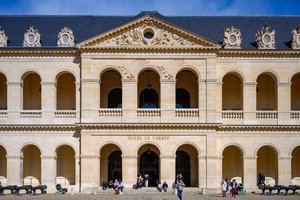
Opera House, VersaillesOpera House Versailles 6 Achille Alexandre Alphonse, Viscount de Cailleux (1788-1876), Director of the Musées royaux, ALEXANDRE FRANCOIS MARIE, VICOMTE DE BEAUHARNAIS, GENERAL EN CHEF DE L'ARMEE DU RHIN (1760 1794), VICTOR GUY BARON DUPERRE, MATELOT EN 1792 (1775 1846)
Museu do Louvre, ParisMuseu do Louvre Paris 2 JEAN PIERRE THENOT (1803 1857), MESDEMOISELLES MOLLIEN
Musée des Beaux-Arts de Quimper, QuimperMusée des Beaux-Arts de Quimper Quimper 1 Saint Louis Forgiving Pierre de Bretagne
Petit Palais, ParisPetit Palais Paris 1 Sketch for the church Saint Gervais "Ecce Homo"
Musée de l'Armée, ParisMusée de l'Armée Paris 1 Jean-Nicolas Houchard
Bavarian State Painting Collections, MuniqueBavarian State Painting Collections Munique 1 Jacques-Louis David
Musée Fesch, Aix-en-ProvenceMusée Fesch Aix-en-Provence 1 The King of Rome in the Tuileries Garden
Ministère de la Défense Nationale, ParisMinistère de la Défense Nationale Paris 1 FRANCOIS CHASSELOUP LAUBAT, GÉNÉRAL DE DIVISION

Georges Rouget, uma pintura emblemática por década

Obras por década

Escolha uma década para ver a obra original que a define.

Pinturas de Georges Rouget: a galeria responde

Qual pintura de Georges Rouget é a mais famosa de todas?Revelar a resposta

Saint Louis Forgiving Pierre de Bretagne (1817), Musée des Beaux-Arts de Quimper, Quimper. Sketch for the church Saint Gervais "Ecce Homo" (1819) e Jean-Nicolas Houchard (1835) vêm a seguir.

Qual era a idade de Georges Rouget ao concluir Saint Louis Forgiving Pierre de Bretagne?Revelar a resposta

34 anos: Saint Louis Forgiving Pierre de Bretagne data de 1817, e Georges Rouget nasceu em 1783.

Quais são as 10 principais pinturas de Georges Rouget?Revelar a resposta

Saint Louis Forgiving Pierre de Bretagne, Sketch for the church Saint Gervais "Ecce Homo", Jean-Nicolas Houchard, Jacques-Louis David, Achille Alexandre Alphonse, Viscount de Cailleux (1788-1876), Director of the Musées royaux, The King of Rome in the Tuileries Garden, JEAN PIERRE THENOT (1803 1857), DEBARQUEMENT DE SAINT LOUIS EN EGYPTE.4 JUIN 1249, ALEXANDRE FRANCOIS MARIE, VICOMTE DE BEAUHARNAIS, GENERAL EN CHEF DE L'ARMEE DU RHIN (1760 1794) e FRANCOIS CHRISTOPHE KELLERMAN, GENERAL EN CHEF DE L'ARMEE DE LA MOSELLE EN 1792 (1735 1820). O ranking acima apresenta o ano e o museu de cada uma.

Quantas obras Georges Rouget criou?Revelar a resposta

Nosso catálogo contém 39 obras de Georges Rouget, datadas de 1817 a 1850.

Onde estão expostos os originais mais famosos de Georges Rouget?Revelar a resposta

Principalmente em Opera House (Versailles), Museu do Louvre (Paris) e Musée des Beaux-Arts de Quimper (Quimper). A tabela de museus acima lista todos eles.

Quando é que Georges Rouget criou as suas pinturas mais famosas?Revelar a resposta

Em 1810s: 2 das 39 obras nesta página foram feitas então, sendo Saint Louis Forgiving Pierre de Bretagne delas.

Quais são as obras mais famosas de Georges Rouget no início e no fim de sua carreira?Revelar a resposta

Nesta página, a mais antiga é Saint Louis Forgiving Pierre de Bretagne (1817) e a mais recente é The King of Rome in the Tuileries Garden (1850).

Quais temas Georges Rouget mais explorou?Revelar a resposta

Portrait (4), Dignified (3) e Formal (2), entre as 39 obras nesta página.

Em qual técnica Georges Rouget mais trabalhou?Revelar a resposta

Oil On Canvas, para 3 das 39 obras nesta página.

Com qual movimento Georges Rouget está associado(a)?Revelar a resposta

Neoclassicism, a julgar pelos originais nesta página.

Quais obras originais de Georges Rouget o Opera House possui?Revelar a resposta

Achille Alexandre Alphonse, Viscount de Cailleux (1788-1876), Director of the Musées royaux, ALEXANDRE FRANCOIS MARIE, VICOMTE DE BEAUHARNAIS, GENERAL EN CHEF DE L'ARMEE DU RHIN (1760 1794) e VICTOR GUY BARON DUPERRE, MATELOT EN 1792 (1775 1846): o Opera House, Versailles detém 6 das obras desta página.

Posso ter uma pintura de Georges Rouget reproduzida à mão?Revelar a resposta

Sim, como uma reprodução: a obra original permanece no seu museu, mas qualquer pintura desta página pode ser pintada à mão para você, feita sob encomenda uma a uma, a partir da própria página da pintura.

Georges Rouget: o artista

The Apprentice of Grandeur

Born into the burgeoning energy of late 18th-century Paris, Marie-Georges Louis Rouget was destined to become a silent architect of visual history. His journey began within the prestigious halls of the École des Beaux-Arts, where he first learned the rigors of classical form under masters such as Jean-Victor Carrier Sabre and Alexandre François Bouchardy. Yet, it was his entry into the legendary atelier of Jacques-Louis David in 1797 that would irrevocably alter the course of his life and art. In this crucible of Neoclassicism, Rouget did not merely learn to paint; he learned to breathe the very spirit of an era. As David’s most trusted assistant, he became a vital conduit for the master's revolutionary vision, absorbing a technique defined by dramatic lighting, idealized anatomy, and a profound commitment to heroic narrative. This formative period instilled in him an unwavering dedication to portraying monumental historical events with a sense of scale and conviction that would define his entire career.

A Canvas of Empire

As Napoleon Bonaparte ascended the throne, Rouget’s brush became an instrument of imperial grandeur and historical record. His career was inextricably woven into the fabric of the First Empire, earning him the evocative reputation as the painter of Napoleon. This was not a role of mere imitation, but one of profound creative symbiosis between student and master. Working alongside David, Rouget contributed to some of the most iconic imagery of the age, including meticulously crafted interpretations of Bonaparte at the Grand Saint Bernard and the monumental The Coronation of Napoleon. His work captured the tension between the weight of history and the soaring ambition of a single man, utilizing a palette of deep blues, regal reds, and earthen tones to evoke a sense of permanence and power. Through his hands, the fleeting triumphs of the battlefield and the political maneuvers of the court were transformed into eternal monuments of oil and canvas, much of which eventually adorned the hallowed halls of Versailles.

The Legacy of Neoclassical Precision

Beyond the sweeping historical panoramas, Rouget found his greatest expression in the intimate dignity of portraiture. His ability to capture the essence of the era's leading figures—from military commanders like François Chasseloup Laubat to the quiet authority of the French elite—demonstrated a mastery of Neoclassical realism. In these works, one finds an exquisite attention to texture and light; the subtle sheen of gold embroidery, the heavy drape of a uniform, and the soft, diffused glow that sculpts a subject's features are all rendered with breathtaking precision. While he may not have shared the singular, household fame of David or Ingres, Rouget’s presence in the annals of French art is undeniable. His legacy remains a testament to an age where art served as the ultimate mirror to human ambition, leaving behind a visual lexicon of strength, formality, and grace that continues to resonate with the spirit of the Napoleonic era.

Todas as 39 obras de Georges Rouget →