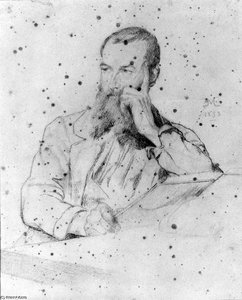
Retrato de Ernest Meissonier

As 100 Pinturas Mais Famosas de Ernest Meissonier, uma Seleção da Galeria

Atualizado em Outubro 2026 · classificado pela nossa pontuação de popularidade (pesquisas, visitas e pedidos de cada obra) · 238 obras de Ernest Meissonier em nosso catálogo

Em resumo

De todas as obras originais deixadas por Ernest Meissonier, a mais famosa é Napoleon and his Staff (1868), da coleção do Wallace Collection, em Londres. Logo atrás vêm Portrait of Marquesa de Manzanedo (1872) e Os Connoisseurs da Pintura (1860). Nosso catálogo contém 238 obras de Ernest Meissonier; a galeria preservou as 100 que o mundo mais admira, cada uma exibida com sua data, seu museu e sua história.

1815 – 1891, Lyon Realism Mais obras: Wallace Collection

As 10 principais pinturas de Ernest Meissonier: a escolha da galeria

1
Napoleon and his Staff (1868) de Ernest Meissonier

Napoleon and his Staff

1868 · Wallace Collection, Londres

Jean-Louis Ernest Meissonier's "Napoleon and His Staff," painted in 1868, is more than just a historical depiction; it’s a meticulously crafted tableau of power, military precision, and the weight of leadership. This small oil painting on mahogany panel – measuring a modest 17 x 18 cm – belies its diminutive size with an astonishing level of detail, transporting the viewer directly into the heart of Napoleon's campaigns. Meissonier, a master…

2
Portrait of Marquesa de Manzanedo (1872) de Ernest Meissonier

Portrait of Marquesa de Manzanedo

1872 · Oil On Canvas · Museu do Prado, Madrid

Jean-Louis Ernest Meissonier’s “Portrait of the Marquesa de Manzanedo” is more than just a painting; it's a meticulously crafted snapshot of 19th-century Spanish aristocracy and the opulent world they inhabited. Completed in 1872, this work transports us to a richly decorated salon, brimming with luxurious fabrics, ornate furniture, and an atmosphere of quiet dignity. The Marquesa herself, a woman of considerable bearing, sits poised within this tableau, her expression serene…

3
Os Connoisseurs da Pintura (1860) de Ernest Meissonier

Os Connoisseurs da Pintura

1860 · Óleo sobre painel · Musée d'Orsay, Paris

Jean Louis Ernest Meissonier permanece como uma figura fundamental na pintura francesa do século XIX, um artista que transcendeu a mera reprodução de imagens para criar obras carregadas de significado histórico e emocional. Sua trajetória artística iniciou-se em Lyon em 1815, onde enfrentou oposição familiar à busca pela arte – uma rebelião juvenil que o conduziu a descobrir seu talento único e a estabelecer um legado duradouro.

4
The Hired Assassins (1852) de Ernest Meissonier

The Hired Assassins

1852 · Oil On Canvas · Wallace Collection, Londres

Jean-Louis-Ernest Meissonier’s “The Hired Assassins,” painted in 1852, is not merely a historical scene; it's a meticulously crafted window into the shadowed world of 17th-century France – a realm of clandestine plots, simmering resentments, and brutal efficiency. This arresting work, now housed within The Wallace Collection in London, immediately captivates with its dramatic composition and astonishing level of detail, qualities that cemented Meissonier’s reputation as one of the foremost artists…

5
Isaiah (1838) de Ernest Meissonier

Isaiah

1838 · Oil On Canvas · Wallace Collection, Londres

Isaiah by Jean Louis Ernest Meissonier - A Masterpiece of Historical Realism Jean-Louis Ernest Meissonier (1815–1891), a name synonymous with meticulous detail and historical narrative in 19th-century French painting, emerged as a pivotal figure bridging the gap between academic tradition and a burgeoning realism. Born in Lyon in 1815, his path to artistic renown was initially met with familial resistance. His father envisioned a career in business for young Ernest,…

6
A Cavalier Time of Louis XIII (1861) de Ernest Meissonier

A Cavalier Time of Louis XIII

1861 · Oil On Panel · Wallace Collection, Londres

In this intimate portrait, titled A Cavalier Time of Louis XIII, the artist Jean-Louis Ernest Meissonier presents a figure that feels both immediate and deeply rooted in a specific past. Completed in 1861, the work captures a gentleman whose presence is defined by the sartorial choices of a previous era. He is dressed in attire emblematic of the reign of Louis XIII, a period that Meissonier reconstructs with a quiet,…

7
1814. Campagne de France (Napoleon and his staff returning from Soissons after the Battle of Laon) (1864) de Ernest Meissonier

1814. Campagne de France (Napoleon and his staff returning from Soissons after the Battle of Laon)

1864 · Oil On Canvas · Musée d'Orsay, Paris

In the vast landscape of nineteenth-century French Realism, few works capture the heavy atmosphere of historical transition as poignantly as Jean-Louis Ernest Meissonier’s "1814. Campagne de France." Painted between 1860 and 1864, this monumental canvas serves as much more than a mere chronicle of military movement; it is a profound psychological study of an empire in decline. The scene depicts Napoleon Bonaparte and his weary staff during their arduous retreat…

8
Halt at an Inn (1863) de Ernest Meissonier

Halt at an Inn

1863 · Oil On Panel · Wallace Collection, Londres

Halt at an Inn – A Masterpiece of Detail Jean-Louis Ernest Meissonier’s “Halt at an Inn” transcends mere depiction; it's a meticulously crafted tableau vivant, capturing a pivotal moment in Welsh history and embodying the artist’s unwavering dedication to realism. Painted circa 1862–1863, this artwork resides within The Wallace Collection’s impressive holdings, offering visitors a rare glimpse into the artistic sensibilities of Victorian Britain. More than just a visual record,…

9
The siege of Paris in 1870 (1884) de Ernest Meissonier

The siege of Paris in 1870

1884 · Oil On Canvas · Musée d'Orsay, Paris

Jean-Louis Ernest Meissonier’s “The Siege of Paris in 1870” is more than a historical painting; it's a visceral immersion into one of the most pivotal moments of 19th-century European history. Completed in 1884, this monumental oil-on-canvas work captures the brutal intensity and unwavering spirit of the Parisian defense during the Franco-Prussian War. Meissonier, renowned for his meticulous attention to detail and mastery of historical narrative, doesn’t simply depict a battle;…

10
Departure of the Volunteers de Ernest Meissonier

Departure of the Volunteers

Watercolor

Departure of the Volunteers is a 19th-century work by the French painter Jean-Louis Ernest Meissonier. The artist, born in 1815, captured this scene during a century of shifting borders and military movement. The work exists as a quiet study of men in transition, caught in a moment of preparation before the march begins.

A seleção de Ernest Meissonier continua, de 11 a 100

11A Cuirassier de Ernest MeissonierA Cuirassier 12The Star of the Dragoons under Louis XV (1863) de Ernest MeissonierThe Star of the Dragoons under Louis XV1863 · Musée Condé 13The Recital (1853) de Ernest MeissonierThe Recital1853 · Wallace Collection 14The Halt de Ernest MeissonierThe HaltMusée Massey 15Leland Stanford (1881) de Ernest MeissonierLeland Stanford1881 · Cantor Arts Center at Stanford University 16A Musketeer Time of Louis XIII (1856) de Ernest MeissonierA Musketeer Time of Louis XIII1856 · Wallace Collection 17The Defense of Paris (1870) de Ernest MeissonierThe Defense of Paris1870 · Art Institute of Chicago 18Sunday in Poissy (1850) de Ernest MeissonierSunday in Poissy1850 19The Jovial Trooper (1865) de Ernest MeissonierThe Jovial Trooper1865 · Walters Art Museum 20Petit poste de Grand'Garde, 8e Hussards en 1803 (1869) de Ernest MeissonierPetit poste de Grand'Garde, 8e Hussards en 18031869 · Musée d'Orsay 21The Card Players (1863) de Ernest MeissonierThe Card Players1863 · Metropolitan Museum of Art 22On a Terrace de Ernest MeissonierOn a TerraceMusée des Beaux-Arts 23The Roadside Inn (1865) de Ernest MeissonierThe Roadside Inn1865 · Wallace Collection 24The Deathbed (1841) de Ernest MeissonierThe Deathbed1841 · Amsterdam Museum 25Playing soldiers, seven figures (1840) de Ernest MeissonierPlaying soldiers, seven figures1840 26The Bravos (1852) de Ernest MeissonierThe Bravos1852 · Bavarian State Painting Collections 27A Sentinel: Time of Louis XIII (1851) de Ernest MeissonierA Sentinel: Time of Louis XIII1851 · Wallace Collection 28Arrival at the castle (1850) de Ernest MeissonierArrival at the castle1850 · Museu Nacional de Belas Artes de Cuba 29A Guard (1849) de Ernest MeissonierA Guard1849 · National Gallery of Ireland 30Man Reading (1851) de Ernest MeissonierMan Reading1851 31A Poet (1859) de Ernest MeissonierA Poet1859 32The Flute Player (1858) de Ernest MeissonierThe Flute Player1858 · Museu Nacional do Château de Compiègne 33The Bibliophile (1862) de Ernest MeissonierThe Bibliophile1862 · National Gallery of Ireland 34Officer and halberdier (1860) de Ernest MeissonierOfficer and halberdier1860 · Rijksmuseum Twenthe 35The Standard Bearer (1857) de Ernest MeissonierThe Standard Bearer1857 36The Musician (1859) de Ernest MeissonierThe Musician1859 37Napoleon and his Staff (1868) de Ernest MeissonierNapoleon and his Staff1868 · Wallace Collection 38Man in a Red Cloak (1867) de Ernest MeissonierMan in a Red Cloak1867 · National Gallery of Ireland 39A Song (1865) de Ernest MeissonierA Song1865 · National Gallery of Ireland 40Jules Pelletier (1867) de Ernest MeissonierJules Pelletier1867 41Maurice, Comte de Saxe Leading His Troops (1866) de Ernest MeissonierMaurice, Comte de Saxe Leading His Troops1866 42Diderot and his Scribe (1869) de Ernest MeissonierDiderot and his Scribe1869 43Group of Cavalry in the Snow: Moreau and Dessoles before Hohenlinden (1875) de Ernest MeissonierGroup of Cavalry in the Snow: Moreau and Dessoles before Hohenlinden1875 · National Gallery of Ireland 44The Card Players (1872) de Ernest MeissonierThe Card Players1872 45The Phiosopher (1878) de Ernest MeissonierThe Phiosopher1878 46The sergeants portrait (1874) de Ernest MeissonierThe sergeants portrait1874 · Hamburger Kunsthalle 47Colonel Félix Massue (1867) de Ernest MeissonierColonel Félix Massue1867 · Wallace Collection 48The Out-Post (1880) de Ernest MeissonierThe Out-Post1880 · Art Institute of Chicago 49Bridge at Poissy (Pêcheurs à ligne) (1881) de Ernest MeissonierBridge at Poissy (Pêcheurs à ligne)1881 · Cleveland Museum of Art 50The Sentry (La Vedette) (1890) de Ernest MeissonierThe Sentry (La Vedette)1890 51The Guard Room (1847) de Ernest MeissonierThe Guard Room1847 · Wallace Collection 52Dragon à cheval portant le manteau en bandoulière de Ernest MeissonierDragon à cheval portant le manteau en bandoulièreMuseu do Louvre 53Study of a hand with book de Ernest MeissonierStudy of a hand with book 54Musketeer (1870) de Ernest MeissonierMusketeer1870 · Museu Hermitage 55The Card Players (1863) de Ernest MeissonierThe Card Players1863 56The chess game de Ernest MeissonierThe chess game 57Horseman de Ernest MeissonierHorsemanMuseu de Belas Artes de Boston 58Dragon à cheval de Ernest MeissonierDragon à cheval 59Dragon en vedette dans la campagne de Ernest MeissonierDragon en vedette dans la campagneMuseu do Louvre 60French, meissonier) (1815) de Ernest MeissonierFrench, meissonier)1815 61A Man in Black smoking a Pipe (1854) de Ernest MeissonierA Man in Black smoking a Pipe1854 · National Gallery 62A Gentleman of the Reign of Louis XIII (1849) de Ernest MeissonierA Gentleman of the Reign of Louis XIII1849 · Scottish National Gallery 63On Guard (1860) de Ernest MeissonierOn Guard1860 · John and Mable Ringling Museum of Art 64A White Horse (1863) de Ernest MeissonierA White Horse1863 · Chartwell 65A Game of Piquet (1861) de Ernest MeissonierA Game of Piquet1861 66Napoleon I, 1814 (1862) de Ernest MeissonierNapoleon I, 18141862 · Walters Art Museum 67Innocents and Card Sharpers (A Game of Piquet) (1861) de Ernest MeissonierInnocents and Card Sharpers (A Game of Piquet)1861 · National Museum Cardiff 68Studies of a White Horse (1864) de Ernest MeissonierStudies of a White Horse1864 69Bachelier, Artist's Horse (1871) de Ernest MeissonierBachelier, Artist's Horse1871 · Petit Palais 70Study for the Mounted Officers (1869) de Ernest MeissonierStudy for the Mounted Officers1869 · Joslyn Art Museum 71Sketch for the Outpost of the Hussards (1868) de Ernest MeissonierSketch for the Outpost of the Hussards1868 · Rhode Island School of Design Museum of Art 72The Death of Polonius (1868) de Ernest MeissonierThe Death of Polonius1868 · Ferens Art Gallery 73The End of the Game of Card (1870) de Ernest MeissonierThe End of the Game of Card1870 · Walters Art Museum 74Playing Bowles In The Fosse at Antibes (1885) de Ernest MeissonierPlaying Bowles In The Fosse at Antibes1885 · Arnot Art Museum 75The Lost Game (1858) de Ernest MeissonierThe Lost Game1858 · Wallace Collection 76Self portrait (1889) de Ernest MeissonierSelf portrait1889 · Musée d'Orsay 77Pasquale (1888) de Ernest MeissonierPasquale1888 78Portrait of Madame Sabatier, holding a small green umbrella de Ernest MeissonierPortrait of Madame Sabatier, holding a small green umbrella 79A Man in Contemporary Dress de Ernest MeissonierA Man in Contemporary DressNational Gallery of Ireland 80Officer de Ernest MeissonierOfficerMuseu de Belas Artes de Boston 81The Trumpet of 1807 de Ernest MeissonierThe Trumpet of 1807 82Pontoon in Venice de Ernest MeissonierPontoon in Venice 83Sketch of a Soldier 1 de Ernest MeissonierSketch of a Soldier 1 84Self-Portrait 1 de Ernest MeissonierSelf-Portrait 1 85Dead Man de Ernest MeissonierDead Man 86A study of drapery de Ernest MeissonierA study of drapery 87Self-portrait de Ernest MeissonierSelf-portrait 88Study of young man standing de Ernest MeissonierStudy of young man standing 89The Grand Smoker de Ernest MeissonierThe Grand Smoker 90Punch Rose de Ernest MeissonierPunch Rose 91The Sign Painter de Ernest MeissonierThe Sign Painter 92Rider in the storm de Ernest MeissonierRider in the storm 93An officer of the Republic de Ernest MeissonierAn officer of the Republic 94A gentleman, Louis XIII de Ernest MeissonierA gentleman, Louis XIII 95Young smoker in the window de Ernest MeissonierYoung smoker in the window 96The Sleep of the bailiff de Ernest MeissonierThe Sleep of the bailiff 97Man Smoking de Ernest MeissonierMan Smoking 98Dideroi de Ernest MeissonierDideroi 99Study for the project of the Pantheon de Ernest MeissonierStudy for the project of the Pantheon 100Portrait of Alexandre Dumas, Jr de Ernest MeissonierPortrait of Alexandre Dumas, JrOpera House

Os temas que cativaram o olhar de Ernest Meissonier

Os quatro temas que mais se repetem nestas obras originais, cada um com o seu melhor exemplo.

Os museus que guardam os originais de Ernest Meissonier

Os 8 museus que detêm a maioria das pinturas desta página.

Museus Cidade Obras de Ernest Meissonier Pinturas desta lista
Wallace Collection, LondresWallace Collection Londres 17 Napoleon and his Staff, The Hired Assassins, Isaiah
National Gallery of Ireland, DublinNational Gallery of Ireland Dublin 6 A Guard, The Bibliophile, Man in a Red Cloak
Musée d'Orsay, ParisMusée d'Orsay Paris 10 Os Connoisseurs da Pintura, 1814. Campagne de France (Napoleon and his staff returning from Soissons after the Battle of Laon), The siege of Paris in 1870
Walters Art Museum, BaltimoreWalters Art Museum Baltimore 3 The Jovial Trooper, Napoleon I, 1814, The End of the Game of Card
Museu do Louvre, ParisMuseu do Louvre Paris 8 Dragon à cheval portant le manteau en bandoulière, Dragon en vedette dans la campagne
Museu de Belas Artes de Boston, BostonMuseu de Belas Artes de Boston Boston 3 Horseman, Officer
Art Institute of Chicago, ChicagoArt Institute of Chicago Chicago 2 The Defense of Paris, The Out-Post
Metropolitan Museum of Art, Nova YorkMetropolitan Museum of Art Nova York 4 The Card Players

Ernest Meissonier década a década: a obra original que define cada uma

Obras por década

Escolha uma década para ver a obra original que a define.

Perguntas de colecionadores sobre as pinturas de Ernest Meissonier

Por qual obra Ernest Meissonier é mais conhecido(a)?Revelar a resposta

Napoleon and his Staff (1868), Wallace Collection, Londres. Portrait of Marquesa de Manzanedo (1872) e Os Connoisseurs da Pintura (1860) vêm a seguir.

Qual era a idade de Ernest Meissonier quando Napoleon and his Staff foi feita?Revelar a resposta

53 anos: Napoleon and his Staff data de 1868, e Ernest Meissonier nasceu em 1815.

Quais são as dez pinturas mais famosas de Ernest Meissonier?Revelar a resposta

Napoleon and his Staff, Portrait of Marquesa de Manzanedo, Os Connoisseurs da Pintura, The Hired Assassins, Isaiah, A Cavalier Time of Louis XIII, 1814. Campagne de France (Napoleon and his staff returning from Soissons after the Battle of Laon), Halt at an Inn, The siege of Paris in 1870 e Departure of the Volunteers. O ranking acima apresenta o ano e o museu de cada uma.

Quantas pinturas Ernest Meissonier deixou?Revelar a resposta

Nosso catálogo contém 238 obras de Ernest Meissonier, datadas de 1838 a 1890.

Em quais museus estão expostas as obras-primas de Ernest Meissonier?Revelar a resposta

Principalmente em Wallace Collection (Londres), National Gallery of Ireland (Dublin) e Musée d'Orsay (Paris). A tabela de museus acima lista todos eles.

Em que anos Ernest Meissonier pintou as suas obras mais famosas?Revelar a resposta

Em 1860s: 29 das 100 obras nesta página foram feitas então, sendo Napoleon and his Staff delas.

Quais são as primeiras e as últimas obras originais famosas de Ernest Meissonier?Revelar a resposta

Nesta página, a mais antiga é Isaiah (1838) e a mais recente é The Sentry (La Vedette) (1890).

Quais temas Ernest Meissonier escolheu com mais frequência?Revelar a resposta

Men (7), 19th century (6) e Military history (5), entre as 100 obras nesta página.

Qual técnica Ernest Meissonier mais utilizou?Revelar a resposta

Oil On Canvas, para 11 das 100 obras nesta página.

A qual movimento artístico pertence Ernest Meissonier?Revelar a resposta

Realism e Academic classicism, a julgar pelos originais nesta página.

Quais obras de Ernest Meissonier estão expostas no Wallace Collection?Revelar a resposta

Napoleon and his Staff, The Hired Assassins e Isaiah: o Wallace Collection, Londres detém 13 das obras desta página.

Ernest Meissonier: vida e obra

Um Mestre do Realismo em Miniatura: A Vida e a Arte de Jean-Louis Ernest Meissonier

Jean-Louis Ernest Meissonier, um nome sinônimo de detalhe meticuloso e narrativa histórica na pintura francesa do século XIX, emergiu como uma figura fundamental que preencheu a lacuna entre a tradição acadêmica e um realismo florescente. Nascido em Lyon, em 1815, seu caminho rumo ao renome artístico foi inicialmente marcado pela resistência familiar. Seu pai vislumbrava uma carreira nos negócios para o jovem Ernest, mas o fascínio pela arte provou ser forte demais para ser ignorado. Aos dezessete anos, ele obteve permissão para seguir sua paixão, embarcando em uma jornada que o estabeleceria como um dos artistas mais celebrados e financeiramente bem-sucedidos da França. O treinamento inicial sob Léon Cogniet proporcionou uma base sólida, mas foi através do estudo diligente dos mestres holandeses no Louvre – pintores como Gabriel Metsu e Gerard Douw – que Meissonier verdadeiramente descobriu sua voz artística. Esses mestres, renomados por suas cenas íntimas da vida burguesa renderizadas com uma precisão surpreendente, influenciaram profundamente seu estilo em desenvolvimento, inspirando uma dedicação ao detalhe que se tornaria sua marca registrada.

Das Cenas de Gênero às Grandes Narrativas Históricas O grande triunfo de Meissonier chegou em 1831 com Les Bourgeois Flamands (Burgueses Flamengos), exibida no Salon. Esta obra sinalizou imediatamente seu talento único – uma capacidade de recriar cenas da vida cotidiana, ou vinhetas históricas, com um nível de precisão quase microscópico. Ele não estava apenas retratando objetos; ele estava reconstruindo mundos meticulosamente, capturando texturas, luz e atmosfera com uma fidelidade de tirar o fôlego. Este sucesso precoce permitiu-lhe refinar sua técnica, produzindo uma série de pinturas de gênero cativantes, como The Game of Chess (1841) e The Young Man Playing the 'Cello (1842). Estas obras não eram meros exercícios de habilidade técnica; eram observações perspicazes do caráter humano e da interação social. No entanto, as ambições de Meissonier estenderam-se para além das cenas de gênero íntimas. As convulsões políticas de 1848, durante as quais serviu na Guarda Nacional, impactaram-no profundamente, alimentando o desejo de abordar temas históricos maiores. Essa mudança culminou em obras monumentais como The Emperor at Solferino, um afastamento de seu estilo anterior que demonstrou sua habilidade em lidar com composições complexas e grandes narrativas, mantendo sua precisão característica.

Uma Técnica Definida pela Paciência e Precisão

O que realmente diferenciava Meissonier não era apenas o que ele pintava, mas como ele pintava. Sua técnica era lendária por seu detalhamento minucioso. Ele não se contentava com pinceladas largas ou efeitos impressionistas; cada elemento dentro de suas composições era renderizado com cuidado meticuloso, construído camada por camada para alcançar um senso de realismo extraordinário. Ele realizava pesquisas exaustivas, estudando minuciosamente trajes, armamentos e detalhes arquitetônentes para garantir a precisão histórica. Essa dedicação estendia-se também ao mundo natural – ele é famoso por ter estudado cavalos extensivamente, analisando sua anatomia e movimento para retratá-los de forma convincente em suas cenas de batalha. Alguns críticos chegaram a sugerir que seu trabalho beirava a obsessão, mas era precisamente esse compromisso inabalável com o detalhe que cativava o público e estabelecia sua reputação. John Ruskin, o influente crítico de arte inglês, famosamente examinou as pinturas de Meissonier sob uma lupa, maravilhando-se com a "destreza manual e o olhar para minúcias fascinantes" do artista.

Legado e Influência Duradoura

Na segunda metade do século XIX, Jean-Louis Ernest Meissonier havia se tornado um dos artistas mais celebrados da França. Suas obras alcançavam preços exorbitantes, permitindo-lhe adquirir uma magnífica propriedade em Poissy, completa com estúdios dedicados, projetados para facilitar seu processo meticuloso. Ele foi louvado por sua maestria técnica e por sua capacidade de trazer a história à vida com um realismo inigualável. Embora alguns críticos questionassem o alcance limitado de sua temática – muitas vezes focada em cenas militares ou recriações históricas – não há como negar sua profunda influência sobre as gerações subsequentes de artistas. Sua dedicação ao detalhe, seu compromisso com a precisão histórica e sua técnica magistral continuam a inspirar pintores até hoje. Museus ao redor do mundo, incluindo o Musée d'Orsay em Paris e a National Gallery of Art em Washington D.C., exibem orgulhosamente suas obras, garantindo que seu legado perdure como um testemunho do poder da paciência, da precisão e da visão artística. Para explorar mais da arte de Meissonier, visite OriginalUniqueArt.com ou o site do Musée d'Orsay.