Portrait of Império Asteca

The 70 Most Famous Império Asteca Paintings, Each One of a Kind

Updated Outubro 2026 · ranked by our popularity score (searches, visits and orders for each work) · 70 works by Império Asteca in our catalogue

In short

Mosaic of a Double-headed Serpent (1521) is the Império Asteca painting that draws the most eyes; the original belongs to the British Museum, Londres. After it, the eye goes to Head from a Figure, Xochipilli Macuilxochitl (1521) and Figure (1521). Among the 70 works of Império Asteca in our catalog, these 70 are the most famous, each a unique original presented with its year, its museum and the reason it endures.

1300 – 1521, Tenochtitlán Most works: Metropolitan Museum of Art

Top 10 paintings by Império Asteca, through the gallery's eye

1
Mosaic of a Double-headed Serpent (1521) by Império Asteca

Mosaic of a Double-headed Serpent

1521 · Mosaic · British Museum, Londres

To gaze upon this mosaic of a double-headed serpent is to step directly into the vibrant, myth-laden heart of the Aztec Empire. It is not merely an object of decoration; it is a captured echo of profound belief, a testament to a civilization whose artistry wove the sacred into the very fabric of daily existence. The serpentine form dominates the composition, its sinuous body rendered in breathtaking detail across countless…

2
Head from a Figure, Xochipilli Macuilxochitl (1521) by Império Asteca

Head from a Figure, Xochipilli Macuilxochitl

1521 · Sculpture · Metropolitan Museum of Art, Nova York

The obsidian head before us—a dark, almost brooding presence—isn’t merely a sculpture; it's a portal into the vibrant and complex world of the Aztec Empire. Carved in the early 16th century, just decades before the arrival of the Spanish conquistadors, this intimate portrait of Xochipilli Macuilxochitl offers a rare and compelling glimpse into the beliefs, artistry, and ultimately, the fleeting beauty of a vanished civilization. The piece speaks not only…

3
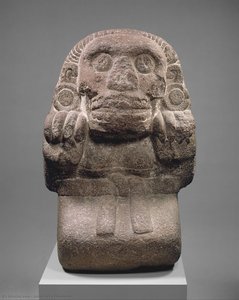
Figure (1521) by Império Asteca

Figure

1521 · Stone · Metropolitan Museum of Art, Nova York

Before you stands an echo from a civilization whose very name whispers tales of empire and profound spiritual depth: the magnificent "Figure" sculpture. Carved from enduring stone, this piece is not merely an object of antiquity; it is a frozen moment of sacred contemplation. The overall impression is one of solemn power, a tangible connection to the sophisticated worldview of the Aztec people who flourished in the heart of Mesoamerica.…

4
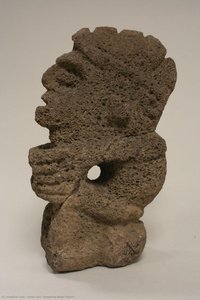
Kneeling Male Figure (1521) by Império Asteca

Kneeling Male Figure

1521 · Stone · Metropolitan Museum of Art, Nova York

To gaze upon this fragment is to reach across the vast chasm of five centuries, touching the solemn breath of an empire long dissolved into myth and archaeological wonder. This kneeling male figure, carved from a dark, porous stone—perhaps basalt itself—is more than mere sculpture; it is a captured moment of profound spiritual engagement. The very texture of the material speaks of time, bearing the patina of ritual smoke and…

5
Labret Serpente com Língua Articulada by Império Asteca

Labret Serpente com Língua Articulada

Acrílico sobre tela · Metropolitan Museum of Art, Nova York

O labret serpente com língua articulada é uma obra de arte extraordinária que transcende o tempo, oferecendo um vislumbre fascinante da cultura e da estética do Império Azteca. Criado entre 1300 e 1521 AD, este pequeno objeto dourado – hoje considerado um dos mais belos sobreviventes da conquista espanhola – permanece como um testemunho eloquente da maestria artesanal e da profunda simbologia que caracterizaram uma das civilizações mais sofisticadas do…

6
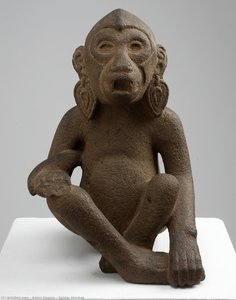
Pendent in the Shape of a Warrior (1350) by Império Asteca

Pendent in the Shape of a Warrior

1350 · Metalwork · Cleveland Museum of Art, Cleveland

To hold this piece in your mind is to encounter the quiet strength of the Post-classic period. This small, metallic figure, likely worn close to the body, captures a warrior in a moment of poised readiness. The figure is rendered with a striking sense of presence, characterized by a prominent nose, wide eyes, and a slightly protruding mouth that gives the face a distinct, human character. There is a certain…

7
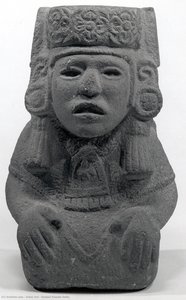
Figure (1521) by Império Asteca

Figure

1521 · Stone · Metropolitan Museum of Art, Nova York

This monochrome photograph captures an ancient Aztec sculpture titled Figure. The piece presents a stylized representation of a human figure, likely a deity or important individual within the Aztec culture. Set against a dark background that emphasizes its intricate details, the sculpture is positioned slightly off-center towards the right of the frame.

8
Vulture Vessel (1521) by Império Asteca

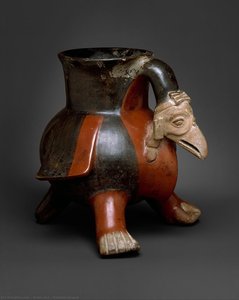
Vulture Vessel

1521 · Ceramic · Metropolitan Museum of Art, Nova York

This ceramic vessel, produced around 1521 by Aztec artists, takes the shape of a stylized vulture. The object is constructed from earthenware with a robust, cylindrical body. Four curved legs support the structure, positioned to suggest a sense of movement or a bird prepared to perch. The surface is primarily covered in a reddish-brown hue, likely derived from iron oxide pigments. Black glaze defines specific areas, creating bands that outline…

9
Standard Bearer (1521) by Império Asteca

Standard Bearer

1521 · Stone · Metropolitan Museum of Art, Nova York

The Aztec sculpture titled "Standard Bearer," a remarkable testament to the artistry and symbolic depth of the pre-Columbian civilization, stands as more than just a carved stone figure. It’s a window into a complex society—a warrior, a leader, a conduit between the earthly realm and the divine. Dating back to approximately 1450-1521 CE, this piece, originating from the region of Veracruz, offers a tangible connection to a world both familiar…

10
Crested Figure (Macuilxochitl) (1521) by Império Asteca

Crested Figure (Macuilxochitl)

1521 · Metropolitan Museum of Art, Nova York

Crested Figure (Macuilxochitl): Echoes of Aztec Cosmology The photograph presents a striking depiction of an Aztec sculpture titled “Crested Figure (Macuilxochitl),” originating from the 15th–early 16th century during the height of the Mexica Empire. This artwork embodies the artistic spirit of Mesoamerica, reflecting profound religious beliefs and political authority—a testament to the enduring legacy of a civilization that captivated imaginations for centuries. Overall Impression: The image captures a sculpture crafted…

Império Asteca's famous paintings, numbers 11 to 70

11Seated Male Deity (Ehecatl) (1521) by Império AstecaSeated Male Deity (Ehecatl)1521 · Metropolitan Museum of Art 12Seated Male Deity (1521) by Império AstecaSeated Male Deity1521 · Metropolitan Museum of Art 13Kneeling Female Figure (1521) by Império AstecaKneeling Female Figure1521 · Metropolitan Museum of Art 14Labret, Eagle Head (1521) by Império AstecaLabret, Eagle Head1521 · Metropolitan Museum of Art 15Miniature Bowl (1521) by Império AstecaMiniature Bowl1521 · Metropolitan Museum of Art 16Fragment of An Anthropomorphic Brazier (1300) by Império AstecaFragment of An Anthropomorphic Brazier1300 17Riutal Stone (Pulidor) (1521) by Império AstecaRiutal Stone (Pulidor)1521 · Metropolitan Museum of Art 18Ear Spool (1521) by Império AstecaEar Spool1521 · Metropolitan Museum of Art 19Seated Female Deity (1521) by Império AstecaSeated Female Deity1521 · Metropolitan Museum of Art 20Aztec Sun Stone (Calendar Stone) (1427) by Império AstecaAztec Sun Stone (Calendar Stone)1427 21Mictlantecuhtl (1480) by Império AstecaMictlantecuhtl1480 22Eagle Warrior (1469) by Império AstecaEagle Warrior1469 23Coyote (1500) by Império AstecaCoyote1500 24Warrior's Teponaztli (1500) by Império AstecaWarrior's Teponaztli1500 25Macuilxochitl Teponaztli Votive (1500) by Império AstecaMacuilxochitl Teponaztli Votive1500 26Xiuhmolpilli (1 Death) (1500) by Império AstecaXiuhmolpilli (1 Death)1500 27Hunchback (1500) by Império AstecaHunchback1500 28Dead Warrior Brazier (1500) by Império AstecaDead Warrior Brazier1500 29Crested figure (Macuilxochitl) (1521) by Império AstecaCrested figure (Macuilxochitl)1521 30Stamp, Feline Profile (1521) by Império AstecaStamp, Feline Profile1521 31Seated Male Deity (1521) by Império AstecaSeated Male Deity1521 · Metropolitan Museum of Art 32Bell (1521) by Império AstecaBell1521 · Metropolitan Museum of Art 33Spider Monkey (1521) by Império AstecaSpider Monkey1521 · Rhode Island School of Design Museum of Art 34Cihuateotl (1521) by Império AstecaCihuateotl1521 · Metropolitan Museum of Art 35Stamp (1521) by Império AstecaStamp1521 · Metropolitan Museum of Art 36Feathered Serpent Ornament (1521) by Império AstecaFeathered Serpent Ornament1521 · Metropolitan Museum of Art 37Relief (1521) by Império AstecaRelief1521 · Metropolitan Museum of Art 38Eagle Head Ornament by Império AstecaEagle Head OrnamentMetropolitan Museum of Art 39Skull Pendant by Império AstecaSkull PendantMetropolitan Museum of Art 40Stamp (1521) by Império AstecaStamp1521 · Metropolitan Museum of Art 41Female Deity by Império AstecaFemale DeityMetropolitan Museum of Art 42Tripod Bowl by Império AstecaTripod BowlMetropolitan Museum of Art 43Maize Deity (Chicomecoatl) by Império AstecaMaize Deity (Chicomecoatl)Metropolitan Museum of Art 44Seated Female Deity by Império AstecaSeated Female DeityMetropolitan Museum of Art 45Kneeling Male Figure by Império AstecaKneeling Male FigureMetropolitan Museum of Art 46Seated Male by Império AstecaSeated MaleMetropolitan Museum of Art 47Pedra Ritual (Pulidor) (1521) by Império AstecaPedra Ritual (Pulidor)1521 · Metropolitan Museum of Art 48Solar Plate (1500) by Império AstecaSolar Plate1500 49Serpent Head (1521) by Império AstecaSerpent Head1521 50Pipe (1521) by Império AstecaPipe1521 · Metropolitan Museum of Art 51Seated Male Deity by Império AstecaSeated Male DeityMetropolitan Museum of Art 52Lip Plug by Império AstecaLip PlugMetropolitan Museum of Art 53Necklace Ornaments, Frogs by Império AstecaNecklace Ornaments, FrogsMetropolitan Museum of Art 54Uilacapitztli (Pottery Flute) by Império AstecaUilacapitztli (Pottery Flute)Metropolitan Museum of Art 55Miniature Pedestal Bowl by Império AstecaMiniature Pedestal BowlMetropolitan Museum of Art 56Tlazolteotl (Birthing Figure) by Império AstecaTlazolteotl (Birthing Figure)Dumbarton Oaks Research Library and Collection 57Standard-Bearer (1519) by Império AstecaStandard-Bearer1519 58Drum (Teponaztli) by Império AstecaDrum (Teponaztli)Metropolitan Museum of Art 59Tripod Vessel with Date Glyph by Império AstecaTripod Vessel with Date GlyphMetropolitan Museum of Art 60Bowl by Império AstecaBowlMetropolitan Museum of Art 61Maize Deity (Chicomecoatl) by Império AstecaMaize Deity (Chicomecoatl)Metropolitan Museum of Art 62Stamp, Butterfly by Império AstecaStamp, ButterflyMetropolitan Museum of Art 63Flute by Império AstecaFluteMetropolitan Museum of Art 64Miniature Pedestal Bowl by Império AstecaMiniature Pedestal BowlMetropolitan Museum of Art 65Ear Ornament by Império AstecaEar OrnamentMetropolitan Museum of Art 66Miniature Tripod Vase by Império AstecaMiniature Tripod VaseMetropolitan Museum of Art 67Stamp, Monkey by Império AstecaStamp, MonkeyMetropolitan Museum of Art 68Bowl by Império AstecaBowlMetropolitan Museum of Art 69Flat Stamp with Geometric Flower by Império AstecaFlat Stamp with Geometric FlowerMetropolitan Museum of Art 70Blade by Império AstecaBladeMetropolitan Museum of Art

Império Asteca's famous paintings, period by period

The subjects that held Império Asteca's eye

The four subjects that come back most often in these originals, each with its finest example.

The museums that keep Império Asteca's originals

The 5 museums that hold the most of the paintings on this page.

Museum City Works by Império Asteca Paintings from this list
Metropolitan Museum of Art, Nova YorkMetropolitan Museum of Art Nova York 51 Head from a Figure, Xochipilli Macuilxochitl, Figure, Kneeling Male Figure
British Museum, LondresBritish Museum Londres 1 Mosaic of a Double-headed Serpent
Cleveland Museum of Art, ClevelandCleveland Museum of Art Cleveland 1 Pendent in the Shape of a Warrior
Rhode Island School of Design Museum of Art, ProvidenceRhode Island School of Design Museum of Art Providence 1 Spider Monkey
Dumbarton Oaks Research Library and Collection, Washington, D.C.Dumbarton Oaks Research Library and Collection Washington, D.C. 1 Tlazolteotl (Birthing Figure)

Império Asteca across the decades: one unique original for each

Works per decade

Pick a decade to see the original that defines it.

Império Asteca's paintings: questions for the gallery

What is the single most famous work of Império Asteca?Reveal the answer

Mosaic of a Double-headed Serpent (1521), British Museum, Londres. Head from a Figure, Xochipilli Macuilxochitl (1521) and Figure (1521) come next.

At what age did Império Asteca create Mosaic of a Double-headed Serpent?Reveal the answer

221 years old: Mosaic of a Double-headed Serpent dates from 1521, and Império Asteca was born in 1300.

Which ten paintings by Império Asteca are the most famous?Reveal the answer

Mosaic of a Double-headed Serpent, Head from a Figure, Xochipilli Macuilxochitl, Figure, Kneeling Male Figure, Labret Serpente com Língua Articulada, Pendent in the Shape of a Warrior, Figure, Vulture Vessel, Standard Bearer and Crested Figure (Macuilxochitl). The ranking above gives each one's year and museum.

How many works by Império Asteca are known?Reveal the answer

Our catalog holds 70 works by Império Asteca, dated from 1350 to 1521.

Where can the most famous Império Asteca originals be seen?Reveal the answer

Mostly in Metropolitan Museum of Art (Nova York), British Museum (Londres) and Cleveland Museum of Art (Cleveland). The museum table above lists them all.

During which period did Império Asteca create the best-known paintings?Reveal the answer

In 1520s: 29 of the 70 works on this page were made then, Mosaic of a Double-headed Serpent among them.

Which famous Império Asteca painting is the earliest, and which the latest?Reveal the answer

On this page, the earliest is Pendent in the Shape of a Warrior (1350) and the latest Mosaic of a Double-headed Serpent (1521).

What subjects did Império Asteca favour?Reveal the answer

Mesoamerica (20), Aztec (16) and Sculpture (13), across the 70 works on this page.

What materials did Império Asteca paint with most?Reveal the answer

Stone, for 14 of the 70 works on this page.

What Império Asteca originals can I see at the Metropolitan Museum of Art?Reveal the answer

Head from a Figure, Xochipilli Macuilxochitl, Figure and Kneeling Male Figure: the Metropolitan Museum of Art, Nova York holds 51 of the works on this page.

Where can I order a hand-painted Império Asteca reproduction?Reveal the answer

Yes, as a reproduction: the original stays in its museum, but any painting on this page can be painted by hand for you, made to order one at a time, from the painting's own page.

Império Asteca: a portrait of the artist

Os Ecos da Pedra: Explorando a Arte e o Legado do Império Asteca

O nome “Asteca” – derivado da palavra náuatle ātl-ce-tlācati–tlān, que significa "povo de muitas formas" – evoca imagens de um império vasto e complexo que dominou a Mesoamérica por séculos. Mais do que meros guerreiros e conquistadores, os astecas eram indivíduos profundamente artísticos, tecendo uma beleza intrincada em cada faceta de suas vidas — da arquitetura monumental ao delicado trabalho com penas, dos rituais sagrados aos objetos cotidianos. Sua arte não era meramente decorativa; era uma linguagem vibrante, comunicando crenças religiosas, poder político, narrativas histólen e hierarquias sociais dentro de uma sociedade que era, ao mesmo tempo, rigidamente estruturada e notavelmente inovadora.

Nascidas no início do século XIV em Tenochtitlán, o coração do Império Asteca, as tradições artísticas dos astecas estavam profundamente enraizadas nos legados de civilizações mesoamericanas anteriores. Os olmecas, com suas cabeças colossais e sistemas calendáricos sofisticados; os teotihuacanos, renomados por suas pirâmides massivas e planejamento urbano; e os toltecas, mestres da metalurgia e da escultura, todos contribuíram para a rica tapeçaria artística que os astecas herdaram. No entanto, os astecas não foram meros imitadores; eles sintetizaram essas influências com suas próprias sensibilidades estéticas únicas, desenvolvendo um estilo distinto caracterizado por cores ousadas, padrões geométricos intrincados e representações simbólicas.

Uma Paleta de Poder: Materiais e Técnicas

A arte asteca era notavelmente diversa, empregando uma gama surpreendente de materiais e técnicas. A escultura em pedra ocupava um lugar de destaque, exemplificada por monumentos que retratavam divindades, governantes e criaturas míticas. A massiva Pedra do Sol (Calendário Asteca), descoberta em 1946, permanece como um testemunho de sua maestria neste meio — um relevo de pedra complexo e em camadas que combinava informações calendáرicas com simbolismo cosmológico. Artesãos habilidosos também trabalhavam com madeira, argila, penas – particularmente as vibrantes plumas de quetzal – jade, turquesa, obsidiana e ouro, refletindo tanto riqueza quanto status social.

O trabalho com penas era talvez o aspecto visualmente mais impactante da arte asteca. Cocares, mantos, escudos e outros itens decorativos intrincadamente elaborados eram criados usando milhares de penas meticulosamente organizadas — um processo que exigia imensa habilidade e paciência. Esses objetos não eram apenas belos; serviam como símbolos potentes de autoridade, devoção religiosa e posição social. As próprias cores carregavam significados específicos: o azul representava os céus, o verde simbolizava a fertilidade, o vermelho significava a guerra e o amarelo representava o sol.

Além disso, os artistas astecas eram mestres do mosaico, criando painéis decorativos deslumbrantes usando pequenas placas de pedra precisamente cortadas. Esses mosaicos adornavam templos, palácios e residências particulares, adicionando uma camada de riqueza visual ao ambiente construído. Sua cerâmica era igualmente impressionante, apresentando designs geométricos complexos e representações de animais e divindades.

A Linguagem dos Símbolos: Temas e Motivos

A arte asteca é repleta de simbolismo, com cada imagem carregando camadas de significado que exigiam uma interpretação cuidadosa por parte de sacerdotes, escribas e governantes. A divindade central, Huitzilopochtli, o deus da guerra e do sol, era frequentemente retratada em cocares elaborados, adornados com penas e pedras preciosas. Quetzalcoatl, a serpente emplumada associada ao conhecimento, à sabedoria e à criação, ocupava um lugar de destaque em seu panteão e aparecia em inúmeras representações artísticas.

O sistema de calendário — uma combinação notavelmente sofisticada de ciclos solares e rituais — era outro motivo recorrente. Imagens de calendários, glifos e símbolos astronômicos eram incorporados em esculturas, mosaicos e códices (livros ilustrados), refletindo a profunda compreensão dos astecas sobre o tempo e a cosmologia. Representações de milho, o alimento básico de sua dieta, simbolizavam sustento e fertilidade. A iconografia animal — particularmente jaguares, águias, serpentes e beija-flores — carregava um significado simbólico relacionado ao poder, à coragem e à divindade.

Um Legado em Fragmentos: Arte e Significância Histórica

O colapso repentino do Império Asteca pelas mãos dos conquistadores espanhóis em 1521 resultou em uma perda devastadora para a cultura mesoamericana. Tragicamente, grande parte de sua herança artística foi destruída durante a conquista — templos foram arrasados, esculturas despedaçadas e códices queimados. No entanto, apesar dessas perdas, fragmentos da arte asteca sobrevivem hoje, oferecendo visões inestimáveis sobre esta civilização extraordinária.

Exemplos notáveis incluem a Pedra do Sol, uma escultura monumental que demonstra o conhecimento avançado dos astecas em astronomia e matemática; cocares e mantos de penas intrincados preservados em museus ao redor do mundo; e os códices sobreviventes — livros manuscritos contendo relatos históricos, crenças religiosas e informações calendáricas. A Colección Andrés Blaisten, no México, abriga uma coleção significativa de arte latino-americana, incluindo exemplos que iluminam as tradições artísticas astecas.

A influência do legado artístico do Império Asteca ainda pode ser vista hoje, inspirando artistas e designers contemporâneos. Suas técnicas inovadoras, imagens simbólicas e a profunda conexão com a natureza continuam a ressoar com o público mundial. Explorar a arte dos astecas não é apenas um exercício de apreciação histórica; é uma jornada ao coração de uma civilização complexa e cativante — um testemunho da criatividade, engenhosidade e profundidade espiritual humana.

Para explorar mais obras de arte do Império Asteca e de outros artistas notáveis, visite OriginalUniqueArt.com.

All 70 works by Império Asteca →