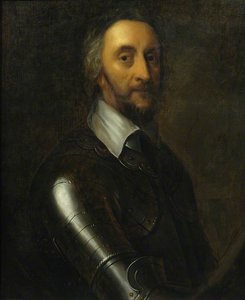
Retrato de Thomas Murray

Pinturas de Thomas Murray: As 25 mais famosas, sob o olhar de uma galeria

Atualizado em Novembro 2026 · classificado pela nossa pontuação de popularidade (pesquisas, visitas e pedidos de cada obra) · 26 obras de Thomas Murray em nosso catálogo

Em resumo

Aos olhos da galeria, a pintura mais famosa de Thomas Murray é William Dampier (1698), cuja obra original está exposta no National Portrait Gallery, em Londres. Portrait of an Unknown Man in a Blue Cloak (1702) e Lady Mary Booth (1704–1772), Later Countess of Stamford (1717) completam o trio que todos reconhecem. Dos 26 trabalhos de Thomas Murray em nosso catálogo, a galeria apresenta abaixo as 25 obras mais famosas, cada uma original, com seu ano, seu museu e o que a torna única.

1663 – 1734 Baroque Mais obras: Royal Society

As 10 principais pinturas de Thomas Murray na galeria

1
William Dampier (1698) de Thomas Murray

William Dampier

1698 · National Portrait Gallery, Londres

A Window into 17th-Century Exploration: Thomas Murray’s Portrait of William Dampier This striking half-length portrait by Scottish artist Thomas Murray captures the essence of *William Dampier*, a figure who embodied the spirit of adventure and scientific inquiry during the late 17th century. Painted in 1698, the artwork offers not just a likeness but a glimpse into an era defined by exploration, piracy, and burgeoning natural history. The composition, reminiscent of…

2
Portrait of an Unknown Man in a Blue Cloak (1702) de Thomas Murray

Portrait of an Unknown Man in a Blue Cloak

1702 · Oil On Canvas · National Trust, York

The man sits in a quiet, centered stillness, his presence anchored by the weight of a blue cloak. Light falls from the side, catching the ridge of a nose and the soft texture of skin, while the rest of his form recedes into a gentle, hazy landscape. He is a figure of the early eighteenth century, caught in a moment of composed dignity. His hands rest before him, casual yet…

3
Lady Mary Booth (1704–1772), Later Countess of Stamford (1717) de Thomas Murray

Lady Mary Booth (1704–1772), Later Countess of Stamford

1717 · Oil On Canvas · National Trust, Bodmin

This oil on canvas portrait, dated 1717, presents Lady Mary Booth, later the Countess of Stamford, within an oval frame. The subject is positioned in the center of the composition, shown from the torso upward. Her head is turned slightly toward the right, while her gaze remains directed toward the viewer. She wears a garment featuring a white lace collar and sleeves that show detailed texture through layered paint. The…

4
Sir John Vanbrugh (1718) de Thomas Murray

Sir John Vanbrugh

1718 · Oil

A single man occupies the center of this 1718 oil painting, his presence anchored by the heavy, dark shadows of a brown background. He is a figure of substance, draped in a red velvet coat that catches the light in thick, tactile folds. Gold embroidery traces the edges of his garment, catching a directional light that defines the sharp contours of his face and the voluminous curls of his golden-brown…

5
Sir Hugh Clopton (1671–1751) (1724) de Thomas Murray

Sir Hugh Clopton (1671–1751)

1724 · Oil On Canvas · Shakespeare Birthplace Trust, Avon

In the quiet dignity of Thomas Murray’s 1724 portrait, Sir Hugh Clopton emerges from the shadows of history, offering a profound encounter with the elegance of the English Enlightenment. This masterful oil on canvas is far more than a mere likeness; it is a carefully constructed window into an era defined by social hierarchy, refined taste, and the burgeoning prestige of the landed gelerate. As the viewer’s eye meets the…

6
John Radcliffe (1652–1714), Physician (after Godfrey Kneller) (1731) de Thomas Murray

John Radcliffe (1652–1714), Physician (after Godfrey Kneller)

1731 · Oil On Canvas · Museu e Arquivo do Hospital St. Bartholomew, Londres

The room feels quiet, held in a heavy, still atmosphere where the only movement is the soft play of light across a man’s face. He sits with a quiet, settled dignity, his presence commanding the space without the need for grand gestures. This is a portrait of John Radcliffe, a man whose life was defined by the precision of medicine and the weight of intellectual standing. He is captured in…

7
John Flamsteed (1646–1719) (1680) de Thomas Murray

John Flamsteed (1646–1719)

1680 · Oil On Canvas · Royal Society, Londres

The portrait of John Flamsteed, executed in 1680, presents the subject in an oval format against a dark, indistinct background. He is depicted with long, curly hair that falls around his face, a style characteristic of the late 17th century. His attire consists of a black robe paired with a crisp white collar. The lighting is applied using a chiaroscuro technique, creating a strong contrast between the illuminated contours of…

8
Henry Bradshaigh (1685) de Thomas Murray

Henry Bradshaigh

1685 · Oil · Wigan Arts And Heritage Service, Wigan

The air in the portrait feels heavy with the weight of metal and duty. Henry Bradshaigh gazes out from the canvas, his presence commanding a quiet, martial authority. He is a man defined by the tools of his station, draped in the intricate armor of a bygone era. The steel plates catch a dim, unseen light, revealing the rivets and the cold, hard texture of his protection. His long, curly…

9
Edmond Halley (1656–1742) (1690) de Thomas Murray

Edmond Halley (1656–1742)

1690 · Oil On Canvas · Royal Society, Londres

A stern gaze meets the viewer through the heavy, dark tones of this 1690 oil on canvas. The subject, Edmond Halley, is rendered with a meticulous focus on the facial features, a hallmark of the refined face-painting style developed in the studio of John Riley. He is depicted with long hair and a beard, his expression fixed in a moment of quiet, intellectual intensity. Clad in the formal attire of…

10
Edward Russell, Earl of Orford (1652–1727), Captain John Benbow (1653–1702), and Admiral Ralph Delavall (c.1645–1707) (1693) de Thomas Murray

Edward Russell, Earl of Orford (1652–1727), Captain John Benbow (1653–1702), and Admiral Ralph Delavall (c.1645–1707)

1693 · Oil On Canvas · Government Art Collection, Londres

Three men occupy the frame, anchored by the heavy stillness of red coats. They stand in a row, a human barricade against the pale sky. To the left, a man with long, flowing hair wears a tie that catches the light. Beside him, a figure holds a globe, the sphere a silent witness to the vastness of the sea. On the right, a man grips a book, his fingers steady…

Pinturas de Thomas Murray, classificadas de 11 a 25

Pinturas famosas de Thomas Murray, período por período

Os temas que cativaram o olhar de Thomas Murray

Os quatro temas que mais se repetem nestas obras originais, cada um com o seu melhor exemplo.

Os museus que guardam os originais de Thomas Murray

Os 8 museus que detêm a maioria das pinturas desta página.

Museus Cidade Obras de Thomas Murray Pinturas desta lista
Royal Society, LondresRoyal Society Londres 4 John Flamsteed (1646–1719), Edmond Halley (1656–1742), Thomas Howard (1585–1646), 14th Earl of Arundel
The Queen's College, OxfordThe Queen's College Oxford 4 Philippa (1314 –1369), Queen Consort of Edward III, Robert Eglesfield (c.1295–1349), Founder of the College, William Lancaster (1650–1717), Provost (1704–1717) (copy)
National Portrait Gallery, LondresNational Portrait Gallery Londres 2 William Dampier, King William III
National Trust, YorkNational Trust York 1 Portrait of an Unknown Man in a Blue Cloak
National Trust, BodminNational Trust Bodmin 1 Lady Mary Booth (1704–1772), Later Countess of Stamford
Shakespeare Birthplace Trust, AvonShakespeare Birthplace Trust Avon 1 Sir Hugh Clopton (1671–1751)
Museu e Arquivo do Hospital St. Bartholomew, LondresMuseu e Arquivo do Hospital St. Bartholomew Londres 1 John Radcliffe (1652–1714), Physician (after Godfrey Kneller)
Wigan Arts And Heritage Service, WiganWigan Arts And Heritage Service Wigan 1 Henry Bradshaigh

Thomas Murray, uma pintura emblemática por década

Obras por década

Escolha uma década para ver a obra original que a define.

Pinturas de Thomas Murray: a galeria responde

Qual pintura de Thomas Murray é a mais famosa de todas?Revelar a resposta

William Dampier (1698), National Portrait Gallery, Londres. Portrait of an Unknown Man in a Blue Cloak (1702) e Lady Mary Booth (1704–1772), Later Countess of Stamford (1717) vêm a seguir.

Qual era a idade de Thomas Murray ao concluir William Dampier?Revelar a resposta

35 anos: William Dampier data de 1698, e Thomas Murray nasceu em 1663.

Quais são as 10 principais pinturas de Thomas Murray?Revelar a resposta

William Dampier, Portrait of an Unknown Man in a Blue Cloak, Lady Mary Booth (1704–1772), Later Countess of Stamford, Sir John Vanbrugh, Sir Hugh Clopton (1671–1751), John Radcliffe (1652–1714), Physician (after Godfrey Kneller), John Flamsteed (1646–1719), Henry Bradshaigh, Edmond Halley (1656–1742) e Edward Russell, Earl of Orford (1652–1727), Captain John Benbow (1653–1702), and Admiral Ralph Delavall (c.1645–1707). O ranking acima apresenta o ano e o museu de cada uma.

Quantas obras Thomas Murray criou?Revelar a resposta

Nosso catálogo contém 26 obras de Thomas Murray, datadas de 1680 a 1731.

Onde estão expostos os originais mais famosos de Thomas Murray?Revelar a resposta

Principalmente em Royal Society (Londres), The Queen's College (Oxford) e National Portrait Gallery (Londres). A tabela de museus acima lista todos eles.

Quando é que Thomas Murray criou as suas pinturas mais famosas?Revelar a resposta

Em 1710s: 4 das 25 obras nesta página foram feitas então, sendo Lady Mary Booth (1704–1772), Later Countess of Stamford delas.

Quais são as obras mais famosas de Thomas Murray no início e no fim de sua carreira?Revelar a resposta

Nesta página, a mais antiga é John Flamsteed (1646–1719) (1680) e a mais recente é John Radcliffe (1652–1714), Physician (after Godfrey Kneller) (1731).

Quais temas Thomas Murray mais explorou?Revelar a resposta

Man (9), Portrait (4) e Historical figure (4), entre as 25 obras nesta página.

Em qual técnica Thomas Murray mais trabalhou?Revelar a resposta

Oil On Canvas, para 10 das 25 obras nesta página.

Com qual movimento Thomas Murray está associado(a)?Revelar a resposta

Baroque, a julgar pelos originais nesta página.

Quais obras originais de Thomas Murray o Royal Society possui?Revelar a resposta

John Flamsteed (1646–1719), Edmond Halley (1656–1742) e Thomas Howard (1585–1646), 14th Earl of Arundel: o Royal Society, Londres detém 4 das obras desta página.

Thomas Murray: o artista

Vida Inicial e Aprendizado

Thomas Murray, nascido na Escócia em 1663, emergiu durante um período de significativa transição artística. Embora os detalhes sobre sua criação inicial permaneçam um tanto elusivos, sabe-se que ele recebeu instrução inicial de um membro da estimada família De Critz — uma linhagem renomada por seu trabalho de iluminura e pintura heráldica. Este treinamento fundamental provavelmente instilou em Murray uma atenção meticulosa aos detalhes e um apreço pela técnica refinada. No entanto, ao reconhecer a crescente demanda pela retratística, seu caminho artístico logo o conduziu a Londres e ao estúdio de John Riley, indiscutivelmente o retratista de maior sucesso da Inglaterra do final do século XVII. O ateliê de Riley era um centro de atividade, atendendo à aristocracia e à pequena nobreza, e Murray rapidamente absorveu o estilo predominante — um foco em capturar a semelhança com ênfase nas feições faciais, muitas vezes deixando a composição mais ampla e os detalhes do fundo para os assistentes. Essa divisão de trabalho era comum na época, mas moldou a trajetória inicial da carreira de Murray.

Uma Prática de Retratismo Próspera

Após a morte de Riley em 1691, Murray herdou não apenas o espaço de seu estúdio, mas também uma clientela substancial. Ele rapidamente se estabeleceu como um proeminente pintor de retratos, tornando-se altamente requisitado por patronos nobres e indivíduos de prestígio. Os primeiros anos do século XVIII viram o artista constantemente envolvido em encomendas, pintando membros do Parlamento, figuras militares e outras personalidades influentes. Seu estilo, embora inicialmente derivado de Riley, desenvolveu gradualmente um caráter próprio e distinto — uma elegância refinada aliada a uma capacidade notável de transmitir personalidade através de sutis nuances de expressão. O sucesso de Murray não era atribuível apenas à sua habilidade artística; ele cultivou uma reputação de ser cortês, diligente e atento às necessidades de seus modelos, fomentando relacionamentos sólidos que garantiam a fidelidade de seus clientes e valiosas recomendações.

Comissões Reais e Reconhecimento Artístico

Um momento crucial na carreira de Thomas Murray ocorreu em 1703, quando recebeu a prestigiada comissão para pintar a Rainha Ana para a Society of the Middle Temple. Este retrato, um testemunho de sua crescente reputação, consolidou sua posição entre os principais artistas de sua época. A obra exemplifica sua maestria em capturar a postura régia e a compostura digna. Para além desta significativa comissão real, Thomas Murray continuou a receber encomendas de figuras proeminentes, incluindo William Dampier, o renomado explorador, cujo retrato demonstra sua habilidade em retratar o caráter e a experiência de vida. Ele foi um artista prolífico, produzindo inúmeros retratos que hoje adornam tanto instituições públicas quanto coleções particulares.

O Autorretrato na Galeria Uffizi e os Anos Finais

Em 1708, Thomas Murray embarcou em uma jornada rumo à Itália, uma prática comum entre os artistas ambiciosos que buscavam inspiração nos Mestres Antigos. Durante sua estadia em Florença, ele doou um autorretrato à prestigiada Galeria Uffizi — um gesto que sublinhava sua ambição e o desejo de reconhecimento dentro do vasto mundo da arte europeia. Este retrato, tal como muitos de seus outros trabalhos, foi posteriormente gravado, disseminando ainda mais sua imagem e seu estilo. Apesar de ter alcançado um sucesso financeiro considerável — há relatos de que deixou uma fortuna de £40.000 após sua morte em 1734 — a fase final da vida de Thomas Murray foi marcada por um certo grau de ironia. Embora tenha, supostamente, lamentado a pobreza ao longo de sua carreira, ele acumulou um patrimônio substancial por meio de investimentos astutos que acompanharam sua prática de pintura. Seu testamento estipulava a ereção de um monumento com um busto na Abadia de Westminster, mas apenas se o custo não fosse excessivo. No fim, seu sobrinho considerou o valor proibitivo e optou por enterrá-lo em St. Paul’s, em Covent Garden, deixando o grandioso memorial apenas como um desejo não realizado.

Legado e Significância Histórica

Thomas Murray ocupa uma posição fascinante na história da retratística britânica. Ele não foi um inovador na mesma linha de Van Dyck ou Reynolds, mas foi um artesão altamente habilidoso que atendeu com sucesso aos gostos de sua era. Seus retratos oferecem visões valiosas sobre o cenário social e político da Inglaterra do início do século XVIII, capturando a semelhança de indivíduos que moldaram o destino da nação. Embora frequentemente descrito como um "pintor de rostos", recorrendo a assistentes para elementos composicionais mais amplos, a capacidade de Murray de imbuir seus modelos com personalidade e dignidade permanece inegável. Sua obra serve como um lembrete convincente da importância do retrato no registro da história e na preservação da memória daqueles que nos antecederam. Sua contribuição não reside na revolução da técnica artística, mas na entrega consistente de retratos de alta qualidade que atendiam às exigências de uma clientela exigente, assegurando seu lugar como um dos retratistas mais bem-sucedidos da Escócia.