
1


Atualizado em Novembro 2026 · classificado pela nossa pontuação de popularidade (pesquisas, visitas e pedidos de cada obra) · 24 obras de Paul Brason em nosso catálogo
Em resumo
De todas as obras originais que Paul Brason deixou, a mais famosa é Philip William Bryce Lever (1915–2000), 3rd Viscount Leverhulme, KG. Logo atrás vêm Professor Dorothy Wedderburn (1991) e Gerald Grosvenor (b.1951), 6th Duke of Westminster (1995). Nosso catálogo contém 24 obras de Paul Brason; a galeria preservou as 24 que o mundo mais admira, cada uma exibida com sua data, seu museu e sua história.


 Robert G. Beldam (1914–2003), CBE, Honorary Fellow (1995–2003)1995
12
 Canon Maurice Ridgway (1918–2002)1994
13
 David George Vaisey (b.1935)1996 · Bodleian Libraries
14
 Gerald Ball, Garage Proprietor1999 · Girton College
15
 Sir Keith Thomas (b.1933), President (1986–2000)2002
16
 Keith Gilbert Robbins (b.1940), Principal and Vice Chancellor of University of Wales Lampeter, St David's University College (1992–2003)2003
17
 Dr Michael Fopp, Director General of the Royal Air Force Museum2007
18
 Lord Wilson of Tillyorn2007 · Peterhouse
19
 Barry Everitt, Master of Downing College2007 · Paintings Owned by Colleges
20
 Professor Michael Mingos (b.1944), FRS, Principal (1999–2009)2007 · St Edmund Hall
21
 Alan and Grace Howard2010 · Paintings Owned by Colleges
22
 Professor Dame Jean Thomas2012 · st Catharine's College
23
 John Hood (b.1942)Bodleian Libraries
24
 Philip William Bryce Lever (1915–2000), 3rd Viscount Leverhulme, Chancellor of the University of Liverpool (1980–1993)
Os quatro temas que mais se repetem nestas obras originais, cada um com o seu melhor exemplo.
#1 Philip William Bryce Lever (1915–2000), 3rd Viscount Leverhulme, KG
 #2 Professor Dorothy Wedderburn
 #8 Brian Robert Morris (1930–2001), Lord Morris of Castle Morris
#16 Keith Gilbert Robbins (b.1940), Principal and Vice Chancellor of University of Wales Lampeter, St David's University College (1992–2003)
Os 8 museus que detêm a maioria das pinturas desta página.
| Museus | Cidade | Obras de Paul Brason | Pinturas desta lista |
|---|---|---|---|
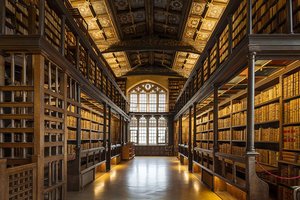 Bodleian Libraries |
Oxford | 2 | David George Vaisey (b.1935), John Hood (b.1942) |
 Paintings Owned by Colleges |
Cambridge | 2 | Barry Everitt, Master of Downing College, Alan and Grace Howard |
 Royal Holloway |
Egham | 1 | Professor Dorothy Wedderburn |
 Chester Town Hall |
Chester | 1 | Gerald Grosvenor (b.1951), 6th Duke of Westminster |
 Merton College |
Oxford | 1 | Dame Jessica Rawson, Warden |
 The University of Reading |
Reading | 1 | Ewan Page |
 Government Art Collection |
Londres | 1 | Brian Robert Morris (1930–2001), Lord Morris of Castle Morris |
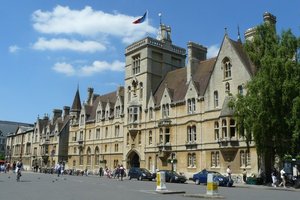 Balliol College |
Oxford | 1 | Baruch S. Blumberg |
Escolha uma década para ver a obra original que a define.
Philip William Bryce Lever (1915–2000), 3rd Viscount Leverhulme, KG. Professor Dorothy Wedderburn (1991) e Gerald Grosvenor (b.1951), 6th Duke of Westminster (1995) vêm a seguir.
Philip William Bryce Lever (1915–2000), 3rd Viscount Leverhulme, KG, Professor Dorothy Wedderburn, Gerald Grosvenor (b.1951), 6th Duke of Westminster, Dame Jessica Rawson, Warden, Brian Robert Morris (1930–2001) (triptych), Ewan Page, Brian Robert Morris (1930–2001), Baron Morris of Castle Morris, Principal of St David's University College (1980–1991), Brian Robert Morris (1930–2001), Lord Morris of Castle Morris, Sir Emmanuel Kaye e Baruch S. Blumberg. O ranking acima apresenta o ano e o museu de cada uma.
Nosso catálogo contém 24 obras de Paul Brason, datadas de 1990 a 2012.
Principalmente em Bodleian Libraries (Oxford), Paintings Owned by Colleges (Cambridge) e Royal Holloway (Egham). A tabela de museus acima lista todos eles.
Em 1990s: 11 das 24 obras nesta página foram feitas então, sendo Professor Dorothy Wedderburn delas.
Nesta página, a mais antiga é Ewan Page (1990) e a mais recente é Professor Dame Jean Thomas (2012).
Reflection (4), Portrait (3) e Portraiture (3), entre as 24 obras nesta página.
Contemporary realism, a julgar pelos originais nesta página.
David George Vaisey (b.1935) e John Hood (b.1942): o Bodleian Libraries, Oxford detém 2 das obras desta página.

