Uma Ponte Entre Mundos: A Vida e a Arte de Maurice Denis
Maurice Denis, nascido na cidade costeira de Granville, França, em 1870, ocupa uma posição fascinante na história da arte — uma figura central que atravessa os dias de declínio do Impressionismo e as correntes emergentes da arte moderna. Sua vida foi dedicada a reconciliar o anseio espiritual com a inovação artística, resultando em um corpo de trabalho que é, ao mesmo tempo, profundamente pessoal e profundamente influente. Desde cedo, Denis demonstrou uma sensibilidade ao poder evocativo da experiência visual, particularmente dentro dos espaços sagrados da igreja de sua infância. O jogo de luz, cor e incenso acendeu uma fascinação vitalícia pelo simbolismo e pelo potencial da arte em transmitir algo além da mera representação. Essa influência formativa tornaria-se uma característica definidora de sua visão artística, distinguindo-o de muitos de seus contemporâs que estavam cada vez mais focados em capturar momentos fugazes da percepção sensorial. Ele não estava interessado simplesmente no que via, mas em como aquilo era sentido — e como esse sentimento poderia ser traduzido em uma linguagem visual capaz de expressar o intangível.
Os Nabis e a Busca pelo Simbolismo
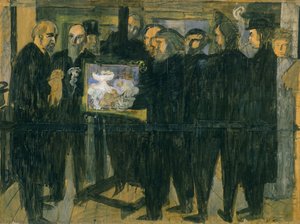
A jornada artística de Denis tomou um rumo decisivo quando ele se tornou um membro central dos Les Nabis, um grupo de jovens artistas que buscavam revolucionar a pintura através de uma abordagem mais espiritual e simbólica. O próprio nome “Nabis” — um anagrama de "profetas" — revelava sua ambição de criar uma arte que não fosse meramente decorativa, mas que possuísse um significado mais profundo, quase religioso. Ao lado de figuras como Paul Sérusier e Pierre Bonnard, Denis rejeitou o naturalismo do Impressionismo em favor de perspectivas achatadas, cores ousadas e padrões evocativos. Não se tratava de abandonar a técnica; tratava-se de redefinir seu propósito. Os Nabis acreditavam que a arte deveria ser uma síntese de forma e ideia, um arranjo cuidadosamente construído de elementos projetados para evocar emoção e sugerir significado. Denis articulou essa filosofia de forma mais célebre em seu ditado: “Lembre-se de que a pintura — como uma superfície plana com cores organizadas em certas relações — nada tem a ver com a imitação pictórica da natureza”. Esta afirmação tornou-se um pilar da estética modernista, pavimentando o caminho para movimentos como o Cubismo e o Fauvismo. Suas obras iniciais deste período, como Le Mystère Catholique (1889), demonstram sua exploração de temas religiosos através de uma lente distintamente simbólica — um afastamento da pintura acadêmica tradicional.
Estilos em Evolução: Do Simbolismo ao Neoclassicismo
Ao longo de sua carreira, o estilo de Denis passou por uma evolução fascinante. Embora permanecesse comprometido com os princípios do simbolismo e da expressão espiritual, ele experimentou várias técnicas e influências. Inicialmente inspirado pelas cores vibrantes e formas achatadas de Gauguin e das gravuras japonesas, ele mais tarde voltou-se para as composições mais estruturadas de Paul Cézanne, buscando uma nova forma de classicismo enraizada nas sensibilidades modernas. Essa mudança é evidente em suas pinturas das décadas de 1890 e início de 1900, que exibem uma maior ênfase na forma, no equilíbrio e na clareza. Ele não estava simplesmente imitando Cézanne; ele estava absorvendo as lições do rigor estrutural e aplicando-as à sua própria visão única. Este período também o viu mergulhar mais profundamente em temas religiosos, acreditando que a arte tinha um papel vital a desempenar na revitalização da vida espiritual. Sua obra tornou-se cada vez mais imbuída de um senso de serenidade e contemplação, refletindo sua fé pessoal e seu desejo de criar imagens que inspirassem reverência e devoção.
Um Legado Duradouro: Arte, Fé e os Ateliers d'Art Sacré
A influência de Denis estendeu-se para além de suas próprias pinturas. Ele foi também um escritor e crítico de arte prolífico, articulando suas teorias estéticas em inúins ensaios e artigos. Suas ideias ajudaram a moldar o desenvolvimento da arte moderna, inspirando gerações de artistas a explorar novas maneiras de representar a realidade e expressar seus mundos interiores. Em 1919, ele fundou os Ateliers d'Art Sacré (Oficinas de Arte Sacra), um coletivo dedicado à restauração de igrejas e à criação de obras de arte religiosas que incorporassem tanto a excelência artística quanto a profundidade espiritual. Esta iniciativa refletia sua crença de que a arte deveria ser uma parte integrante da vida cotidiana, enriquecendo a experiência humana e promovendo um senso de comunidade. Ele vislumbrou um renascimento da arte sacra — não como um retorno aos estilos do passado, mas como uma reimaginação da tradição à luz das sensibilidades modernas. Maurice Denis faleceu em 1943, deixando para trás um corpo de trabalho rico e diversificado que continua a ressoar com o público até hoje. Suas pinturas, escritos e esforços pedagógicos consolidaram seu lugar como uma figura fundamental na transição do Impressionismo para a arte moderna — uma ponte entre mundos, moldando para sempre nossa compreensão do poder e do propósito da expressão artística.
Principais Características da Obra de Denis
- Simbolismo: Um uso onipresente de símbolos e imagens alegóricas para transmitir significados mais profundos.
- Temas Espirituais: Exploração frequente de temas religiosos e um profundo senso de espiritualidade.
- Achatamento da Forma: Ênfase na bidimensionalidade da tela, rejeitando a perspectiva tradicional.
- Cor Vibrante: Uso de cores vibrantes, muitas vezes não naturalistas, para criar impacto emocional.
- Sintetismo: Uma simplificação deliberada das formas e um foco na criação de composições harmoniosas.
Perguntas e Respostas
Posso navegar pelas obras de Maurice Denis por humor?
As obras de Maurice Denis podem ser exploradas por humor na página Sala de Humor do artista, que organiza as obras de arte de acordo com seus humores registrados.
Onde posso ver o perfil de cores da obra de Maurice Denis?
O uso da cor em Maurice Denis, através das obras listadas em este site, pode ser estudado na página Genoma da Paleta do artista.
Posso visitar um museu virtual das obras de Maurice Denis?
Uma visita virtual é possível: a página Museu 3D de Maurice Denis apresenta as obras do artista em uma galeria tridimensional.