Retrato de Mestre Bertram

Pinturas de Mestre Bertram: As 21 mais famosas, sob o olhar de uma galeria

Atualizado em Novembro 2026 · classificado pela nossa pontuação de popularidade (pesquisas, visitas e pedidos de cada obra) · 21 obras de Mestre Bertram em nosso catálogo

Em resumo

Aos olhos da galeria, a pintura mais famosa de Mestre Bertram é 12 Scenes of the Apocalypse (triptych altarpiece, left wing, inner) (1400), cuja obra original está exposta no Victoria and Albert Museum, em Londres. 12 Scenes of the Apocalypse (triptych altarpiece, right wing, inner) (1400) e 3 Scenes from the Life of Saint John the Evangelist; 3 Scenes from the Life of the Virgin (triptych altarpiece, left wing, outer) (1400) completam o trio que todos reconhecem. Dos 21 trabalhos de Mestre Bertram em nosso catálogo, a galeria apresenta abaixo as 21 obras mais famosas, cada uma original, com seu ano, seu museu e o que a torna única.

1345 – 1415, Minden International gothic Mais obras: Victoria and Albert Museum

As 10 principais pinturas de Mestre Bertram na galeria

3
3 Scenes from the Life of Saint John the Evangelist; 3 Scenes from the Life of the Virgin (triptych altarpiece, left wing, outer) (1400) de Mestre Bertram

3 Scenes from the Life of Saint John the Evangelist; 3 Scenes from the Life of the Virgin (triptych altarpiece, left wing, outer)

1400 · Tempera On Panel · Victoria and Albert Museum, Londres

To look upon this panel is to step into the quiet, structured devotion of the early fifteenth century. This is the left wing of a triptych, a fragment of a larger spiritual conversation, rendered in the International Gothic style. The work is divided into a precise two-by-three grid, with six rectangular compartments that house distinct moments from the lives of Saint John the Evangelist and the Virgin Mary. Each scene…

4
3 Scenes from the Life of St Giles; 3 Scenes from the Life of Saint Mary Magdalen (triptych altarpiece, right wing, outer) (1400) de Mestre Bertram

3 Scenes from the Life of St Giles; 3 Scenes from the Life of Saint Mary Magdalen (triptych altarpiece, right wing, outer)

1400 · Tempera On Panel · Victoria and Albert Museum, Londres

The gold leaf background creates a flat, divine space that pushes the figures toward the viewer. In this late Gothic triptych, the outer wing is divided into six rectangular narrative scenes. These small windows into the lives of St. Giles and Saint Mary Magdalen are arranged in two columns and three rows. The light is even, casting no heavy shadows, which lends the figures an iconographic stillness. Every line is…

5
Triptych of The Holy Face (1395) de Mestre Bertram

Triptych of The Holy Face

1395 · Tempera On Panel · Museu Thyssen-Bornemisza, Madrid

The air seems to thicken with a celestial glow as the eye meets the central panel of this 1395 triptych. A disembodied face, the Holy Visage of Christ, emerges from a background of shimmering gold leaf, demanding an immediate, silent encounter. There is a profound stillness here. The eyes are cast downward, a gesture of humility and deep compassion that pulls the viewer into a private moment of devotion. This…

6
Triptych: The Holy Visage of Christ (1395) de Mestre Bertram

Triptych: The Holy Visage of Christ

1395 · Oil On Panel · Museu Thyssen-Bornemisza, Madrid

To stand before this Triptych: The Holy Visage of Christ is to step across the threshold of time, into a moment suspended between earthly devotion and divine revelation. Created in 1395 by the masterful hand of Master Bertram, this work transcends mere decoration; it is a profound meditation on the nature of divinity itself. The structure of the triptych—its three distinct yet interconnected panels—mirrors the journey of contemplation: from introspection…

7
Grabow Altarpiece (1383) de Mestre Bertram

Grabow Altarpiece

1383 · Tempera On Panel · Hamburger Kunsthalle, Hamburgo

The wooden altar unfolds with an intricate density that pulls the eye into a complex world of carved figures and sacred drama. Within this triptych, scenes from the Apocalypse unfold across massive panels, where angels and religious figures occupy every available space. The composition balances a large central structure against a multitude of smaller statues, creating a sense of overwhelming spiritual presence. Every carved element seems to pulse with its…

8
Nativity, panel from Grabow Altarpiece (1383) de Mestre Bertram

Nativity, panel from Grabow Altarpiece

1383 · Tempera On Panel · Hamburger Kunsthalle, Hamburgo

The Nativity, panel from Grabow Altarpiece is a significant work by the German painter Master Bertram. Created about 1383, this piece represents a moment of quietude within a larger religious narrative. It is a component of the Grabow Altarpiece, a monumental work that reflects the artistic sensibilities of the late medieval period in Northern Europe.

9
Creation of the Animals, panel from Grabow Altarpiece (1383) de Mestre Bertram

Creation of the Animals, panel from Grabow Altarpiece

1383 · Tempera On Panel · Hamburger Kunsthalle, Hamburgo

A central figure, draped in a red robe, extends a hand toward a gathering of creatures, enacting the fifth day of creation. This panel, part of the larger Grabow Altarpiece, captures a moment of transition where life emerges from the void. The composition is dense with life, featuring a variety of birds and mammals coexisting within a singular, serene space. While the atmosphere suggests peace, a subtle tension exists in…

Pinturas de Mestre Bertram, classificadas de 11 a 21

Os temas que cativaram o olhar de Mestre Bertram

Os quatro temas que mais se repetem nestas obras originais, cada um com o seu melhor exemplo.

Os museus que guardam os originais de Mestre Bertram

Os 3 museus que detêm a maioria das pinturas desta página.

Museus Cidade Obras de Mestre Bertram Pinturas desta lista
Victoria and Albert Museum, LondresVictoria and Albert Museum Londres 5 12 Scenes of the Apocalypse (triptych altarpiece, left wing, inner), 12 Scenes of the Apocalypse (triptych altarpiece, right wing, inner), 3 Scenes from the Life of Saint John the Evangelist; 3 Scenes from the Life of the Virgin (triptych altarpiece, left wing, outer)
Hamburger Kunsthalle, HamburgoHamburger Kunsthalle Hamburgo 4 Grabow Altarpiece, Nativity, panel from Grabow Altarpiece, Creation of the Animals, panel from Grabow Altarpiece
Museu Thyssen-Bornemisza, MadridMuseu Thyssen-Bornemisza Madrid 3 Triptych of The Holy Face, Triptych: The Holy Visage of Christ, Triptych of the Holy Face (closed): The Annunciation

Mestre Bertram, uma pintura emblemática por década

Obras por década

Escolha uma década para ver a obra original que a define.

Pinturas de Mestre Bertram: a galeria responde

Qual pintura de Mestre Bertram é a mais famosa de todas?Revelar a resposta

12 Scenes of the Apocalypse (triptych altarpiece, left wing, inner) (1400), Victoria and Albert Museum, Londres. 12 Scenes of the Apocalypse (triptych altarpiece, right wing, inner) (1400) e 3 Scenes from the Life of Saint John the Evangelist; 3 Scenes from the Life of the Virgin (triptych altarpiece, left wing, outer) (1400) vêm a seguir.

Qual era a idade de Mestre Bertram ao concluir 12 Scenes of the Apocalypse (triptych altarpiece, left wing, inner)?Revelar a resposta

55 anos: 12 Scenes of the Apocalypse (triptych altarpiece, left wing, inner) data de 1400, e Mestre Bertram nasceu em 1345.

Quais são as 10 principais pinturas de Mestre Bertram?Revelar a resposta

12 Scenes of the Apocalypse (triptych altarpiece, left wing, inner), 12 Scenes of the Apocalypse (triptych altarpiece, right wing, inner), 3 Scenes from the Life of Saint John the Evangelist; 3 Scenes from the Life of the Virgin (triptych altarpiece, left wing, outer), 3 Scenes from the Life of St Giles; 3 Scenes from the Life of Saint Mary Magdalen (triptych altarpiece, right wing, outer), Triptych of The Holy Face, Triptych: The Holy Visage of Christ, Grabow Altarpiece, Nativity, panel from Grabow Altarpiece, Creation of the Animals, panel from Grabow Altarpiece e Rest on the Flight to Egypt, panel from Grabow Altarpiece. O ranking acima apresenta o ano e o museu de cada uma.

Quantas obras Mestre Bertram criou?Revelar a resposta

Nosso catálogo contém 21 obras de Mestre Bertram, datadas de 1383 a 1400.

Onde estão expostos os originais mais famosos de Mestre Bertram?Revelar a resposta

Principalmente em Victoria and Albert Museum (Londres), Hamburger Kunsthalle (Hamburgo) e Museu Thyssen-Bornemisza (Madrid). A tabela de museus acima lista todos eles.

Quando é que Mestre Bertram criou as suas pinturas mais famosas?Revelar a resposta

Em 1400s: 5 das 21 obras nesta página foram feitas então, sendo 12 Scenes of the Apocalypse (triptych altarpiece, left wing, inner) delas.

Quais são as obras mais famosas de Mestre Bertram no início e no fim de sua carreira?Revelar a resposta

Nesta página, a mais antiga é Grabow Altarpiece (1383) e a mais recente é 12 Scenes of the Apocalypse (triptych altarpiece, left wing, inner) (1400).

Quais temas Mestre Bertram mais explorou?Revelar a resposta

Gold background (6), People (5) e Architecture (5), entre as 21 obras nesta página.

Em qual técnica Mestre Bertram mais trabalhou?Revelar a resposta

Tempera On Panel, para 10 das 21 obras nesta página.

Com qual movimento Mestre Bertram está associado(a)?Revelar a resposta

International gothic, a julgar pelos originais nesta página.

Quais obras originais de Mestre Bertram o Victoria and Albert Museum possui?Revelar a resposta

12 Scenes of the Apocalypse (triptych altarpiece, left wing, inner), 12 Scenes of the Apocalypse (triptych altarpiece, right wing, inner) e 3 Scenes from the Life of Saint John the Evangelist; 3 Scenes from the Life of the Virgin (triptych altarpiece, left wing, outer): o Victoria and Albert Museum, Londres detém 5 das obras desta página.

Mestre Bertram: o artista

Mestre Bertram: Um Pioneiro do Gótico do Norte

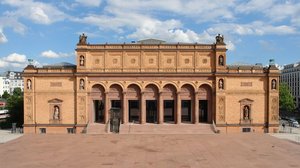
Nascido em Minden, na Alemanha, por volta de 1345, e falecido em Hamburgo por volta de 1415, o Mestre Bertram permanece como uma figura cativante na história da arte europeia. Frequentemente referido como Meister Bertram ou Mestre de Minden, ele se destaca como um artista fundamental que serviu de ponte entre o estilo Gótico Internacional e as tendências nascentes do início do Renascimento no norte da Europa. Seu legado é definido primordialmente por seus monumentais painéis de altar e cenas religiosas, com destaque para o magnífico Retábulo de Grabow, abrigado na Kunsthalle Hamburg — um verdadeiro testemunho de sua habilidade e ambição.

A vida de Bertram desenrolou-se, em grande parte, na movimentada cidade portuária de Hamburgo. Registros indicam que ele surgiu pela primeira vez nos arquivos de Hamburgo em 1367, estabelecendo-se rapidamente como um cidadão respeitado e alcançando o status de Mestre em 1376. Este período marcou o auge de sua atividade profissional; ele acumulou uma riqueza considerável através de encomendas para a arte religiosa, refletindo a crescente piedade e prosperidade da região. Apesar de ter redigido um testamento em 1390 antecipando uma peregrinação a Roma — uma empreitada que, em última análise, nunca se concretizou — a produção artística de Bertram manteve-se notavelmente consistente ao longo de sua vida. Seu casamento deu-lhe uma filha, mas a tragédia o alcançou quando sua esposa faleceu em 1410, deixando-o viúvo e solidificando ainda mais sua dedicação absoluta ao seu ofício.

A Obra-Prima: O Retábulo de Grabow

O Retábulo de Grabow, concluído por volta de 1390, representa o ápice das conquistas artísticas de Mestre Bertram. Com dimensões impressionantes — aproximadamente 6,5 metros de altura e 8 metros de largura — esta obra monumental é um tríptico complexo que retrata cenas do Apocalipse. O retábulo exibe o domínio de Mestre Bertram sobre a cor, o detalhe e a perspectiva espacial, marcas registradas do estilo Gótico Internacional. As figuras são renderizadas com uma graça delicada e uma qualidade expressiva, imbuídas de um sentido de solenidade e profundidade espiritual. Notavelmente, a composição da cena é extraordinariamente detalhada, apresentando inúmeras figuras e elementos arquitetônicos intrincados.

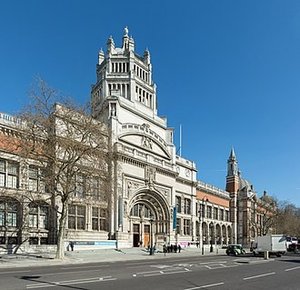
Ao lado do Retábulo de Grabow, a oficina de Mestre Bertram produziu um importante retábulo dedicado a São Cristóvão, que hoje reside na Igreja de Falsterbo, na Suécia. Esta peça, juntamente com outros fragmentos e representações sobreviventes, oferece visões valiosas sobre o processo artístico e a evolução estilística de Mestre Bertram. O Victoria and Albert Museum, em Londres, abriga uma representação do Apocalipse em 45 cenas, provavelmente criada pela oficina de Mestre Bertram, demonstrando ainda mais a sua influência dentro da comunidade artística.

Estilo e Influências

O estilo de Mestre Bertram é frequentemente caracterizado como uma adaptação refinada dos princípios do Gótico Internacional. Embora compartilhe semelhanças com outros artistas do período, como o Mestre Francke (outro pintor proeminente de Hamburgo), a obra de Bertram possui um caráter distinto — uma contenção sutil na expressão emocional quando comparada à abordagem mais abertamente dramática de Francke. No entanto, isso não diminui a beleza ou o poder de suas criações; pelo contrário, confere-lhes uma dignidade silenciosa e uma qualidade contemplativa.

Acredita-se que Bertram tenha sido influenciado pelas tendências artísticas tanto francesas quanto flamengas que predominavam em sua época. A influência da arte cortesã da França pode ser observada na elegância refinada de suas figuras e elementos decorativos, enquanto o detalhe meticuloso e o realismo característicos da pintura flamenga primitiva são evidentes em suas representações de cenários arquitetônicos e objetos. Apesar dessas influências, Bertram manteve uma sensibilidade unicamente do norte da Alemanha, imbuindo seu trabalho com um profundo sentido de identidade regional.

Legado e Redescoberta

Após o advento da Renascimento, o legado artístico de Mestre Bertram mergulhou, em grande parte, na obscuridade. No entanto, no final do século XIX, Alfred Lichtwark, o visionário diretor da Kunsthalle de Hamburgo, liderou um renovado interesse por sua obra. Lichtwark reconheceu a magnitude da arte de Bertram e defendeu sua redescoberta, trazendo-a novamente ao olhar do público.

Hoje, Mestre Bertram é, com justiça, considerado um dos artistas mais importantes do século XIV no norte da Europa. Seus monumentais painéis de altar permanecem como testemunhos perenes de sua destreza, criatividade e de uma compreensão profunda da arte religiosa. O Asteroide 85320 Bertram, nomeado em sua honra pelo astrônomo alemão Freimut Börngen em 1995, serve como um lembrete eterno da contribuição deste artista extraordinário para o mundo da arte.