Lester F. Johnson: A Figure in the Urban Landscape
Lester Frederick Johnson (1919-2010) wasn’t a name immediately recognized by the public, yet his work quietly held a significant place within the pantheon of
New York School painters. He was an American figurative expressionist who dedicated his career to capturing the essence of the
human figure amidst the vibrant, often gritty, backdrop of
New York City. More than simply depicting individuals, Johnson sought to distill the spirit and energy of
urban life—the anonymous faces in crowded streets, the
fleeting moments of connection, and the underlying currents of a rapidly changing metropolis. His legacy lies not just in his paintings but also in his unwavering commitment to his craft, spanning nearly seven decades and witnessing profound shifts in artistic styles and cultural landscapes.
Johnson’s early years provided a grounding for his future artistic pursuits. Born in Minneapolis, Minnesota, in 1919, the youngest of seven children within a Swedish homesteading family, he developed an appreciation for both the natural world and the complexities of human relationships. This formative experience instilled a deep sense of observation and empathy—qualities that would later inform his approach to painting. After studying at the Minneapolis School of Art and the St. Paul Art School, Johnson arrived in
New York City in 1947, a pivotal moment that irrevocably shaped his artistic trajectory. His initial studio was nestled next door to
Wolf Kahn on 6th Street and Avenue A, a location that immediately immersed him within the burgeoning art scene of Greenwich Village. This proximity fostered collaboration and exchange with other emerging artists, including
Larry Rivers and Jim Fosberg, who shared a loft space with Johnson in St. Mark’s Place – a hub for creative experimentation during those formative years.
Johnson's artistic development was deeply intertwined with the evolving currents of post-war
American art. Initially influenced by
Abstract Expressionism, particularly the gestural painting championed by artists like
Jackson Pollock and
Willem de Kooning, he gradually moved toward a more focused representation of the
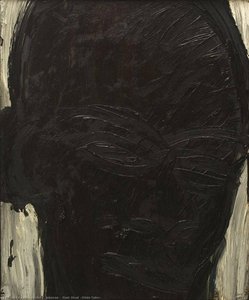
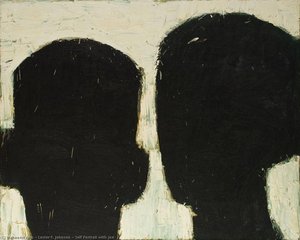
human figure. This shift wasn’t merely stylistic; it reflected a growing interest in exploring the psychological and social dimensions of urban experience. His early works often featured stark profiles and frontal depictions of anonymous figures, rendered in monochrome palettes that emphasized their integration into the city's landscape—as if they were integral components of its very fabric. The 1954 Provincetown summer proved to be a crucial period of artistic exploration, where Johnson joined a collective of artists including
Kahn, Jan Müller, and
Bob Thompson, absorbing the vibrant energy of the coastal arts community. This experience broadened his perspective and solidified his commitment to capturing the dynamism of
urban life.
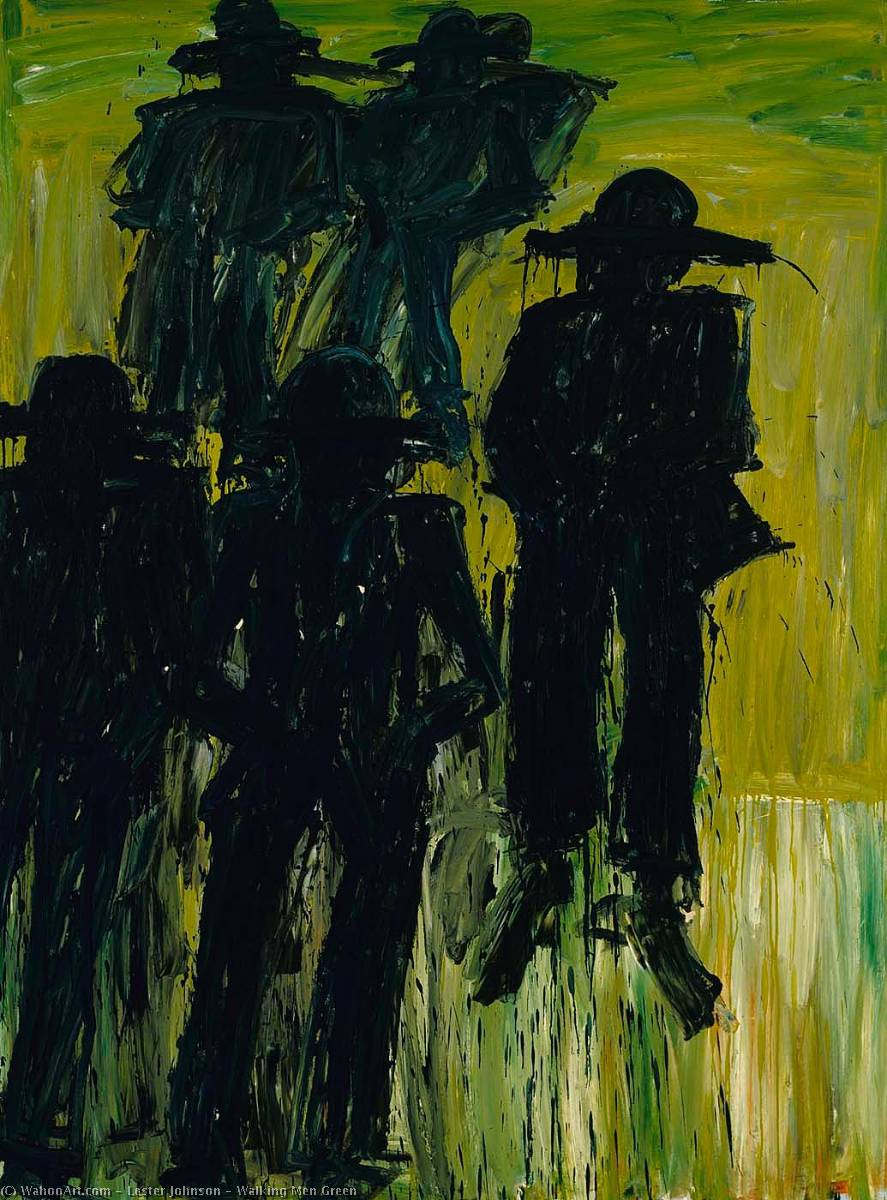
Throughout the 1960s and beyond, Johnson’s style continued to evolve, incorporating richer colors and more detailed depictions of individuals within crowded street scenes. He moved away from purely
abstract forms, imbuing his figures with a sense of personality and narrative—capturing not just their physical appearance but also their emotional states. His paintings became increasingly layered, reflecting the complexities of
urban life and the diverse experiences of its inhabitants. Johnson’s work was exhibited at prestigious galleries across
New York City – including the Martha Jackson Gallery, Zabriskie Gallery, Gimpel & Weitzenhoffer, and James Goodman Gallery – as well as in major museum group shows at institutions like the Guggenheim,
Whitney Museum of American Art, and
Metropolitan Museum of Art. Notably, he was elected a member to both the American Academy of Arts & Letters and
National Academy of Design, recognizing his significant contribution to the art world. In 2010, his work was showcased in the Armory Show and Art Chicago, demonstrating his continued relevance and influence within
contemporary art discourse.
Johnson’s artistic journey wasn't confined solely to
New York City; he also found inspiration in the quieter landscapes of Long Island, establishing a summer home in Springs, Long Island, beginning in 1955. This retreat provided him with respite from the intensity of
urban life and allowed him to reconnect with nature—a recurring theme in his work. He also spent time teaching at Yale University (1969-1974), sharing his knowledge and experience with a new generation of artists. His dedication to art education underscored his belief in the transformative power of creative expression. Johnson’s life, marked by both artistic achievement and personal connection, culminated in 2010, leaving behind a rich legacy of paintings that continue to resonate with viewers today.
Key achievements include: membership in prestigious artistic organizations, consistent exhibition at leading galleries, and the enduring impact of his unique vision within the
New York School movement.
The Figure as Urban Echo
Johnson’s approach to painting was deeply rooted in observation and empathy. He wasn't interested in creating idealized representations of individuals; instead, he sought to capture the essence of their humanity—their vulnerability, resilience, and connection to the urban environment. His figures are often rendered with a sense of immediacy and spontaneity, reflecting the
fleeting moments of interaction that occur within crowded city streets. The use of monochrome palettes in his early works served to emphasize the anonymity of these individuals, highlighting their integration into the city’s landscape—as if they were simply another element within its complex tapestry. As he evolved his style, Johnson incorporated richer colors and more detailed depictions of figures, imbuing them with a sense of personality and narrative. His paintings became increasingly layered, reflecting the complexities of
urban life and the diverse experiences of its inhabitants.
- Early Influences: Abstract Expressionism (Pollock, de Kooning) provided a foundation for his exploration of gesture and emotion.
- Key Themes: The human figure in the context of urban life; anonymity versus individuality; the energy and dynamism of New York City.
- Technique: Characterized by bold brushstrokes, layered compositions, and a skillful use of color to convey mood and atmosphere.
Johnson’s work is not simply a record of
urban scenes; it's an exploration of the
human condition within those spaces. His paintings invite viewers to contemplate their own experiences in the city—to recognize themselves in the faces of strangers, and to consider the interconnectedness of all individuals within its vast expanse.