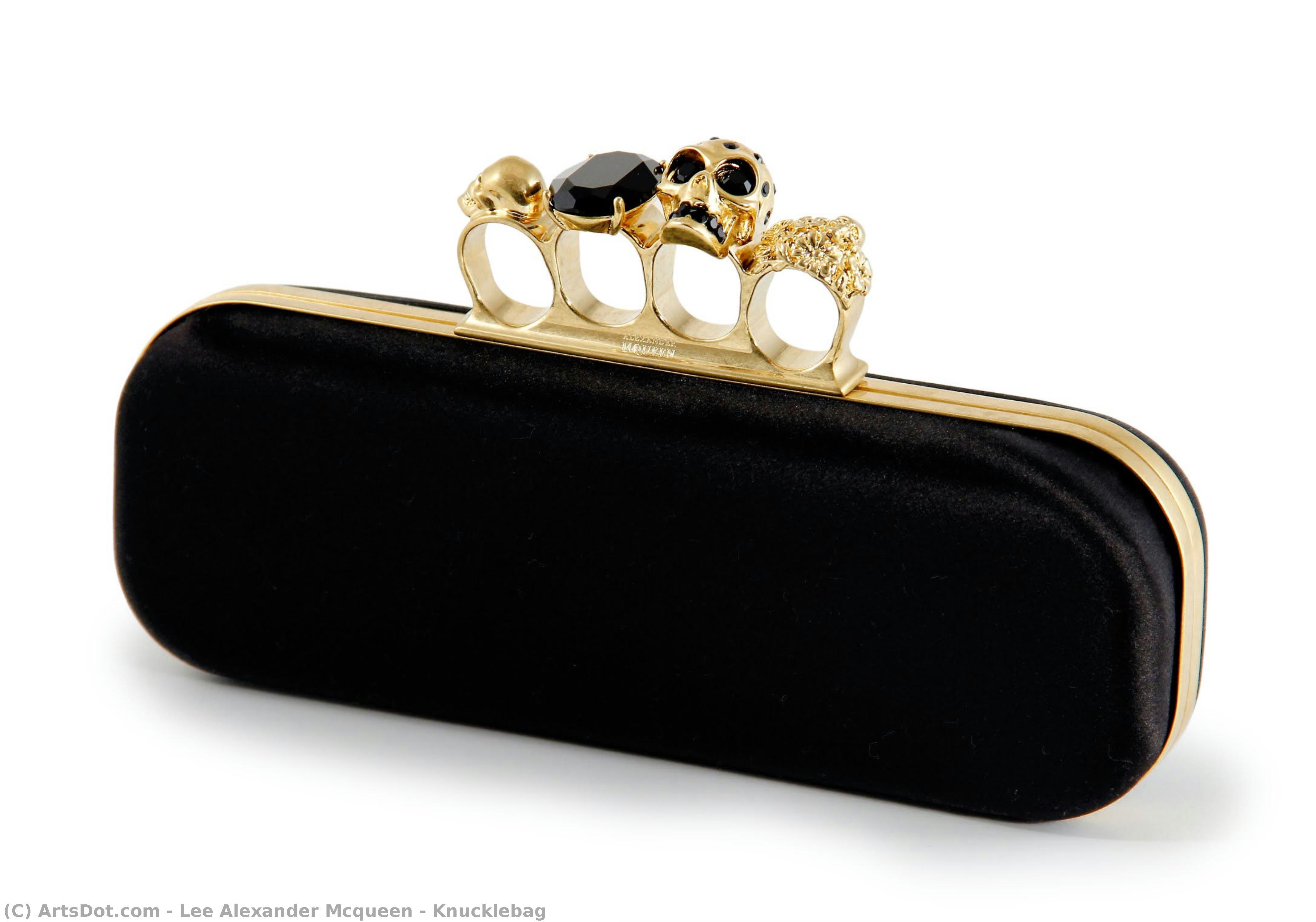
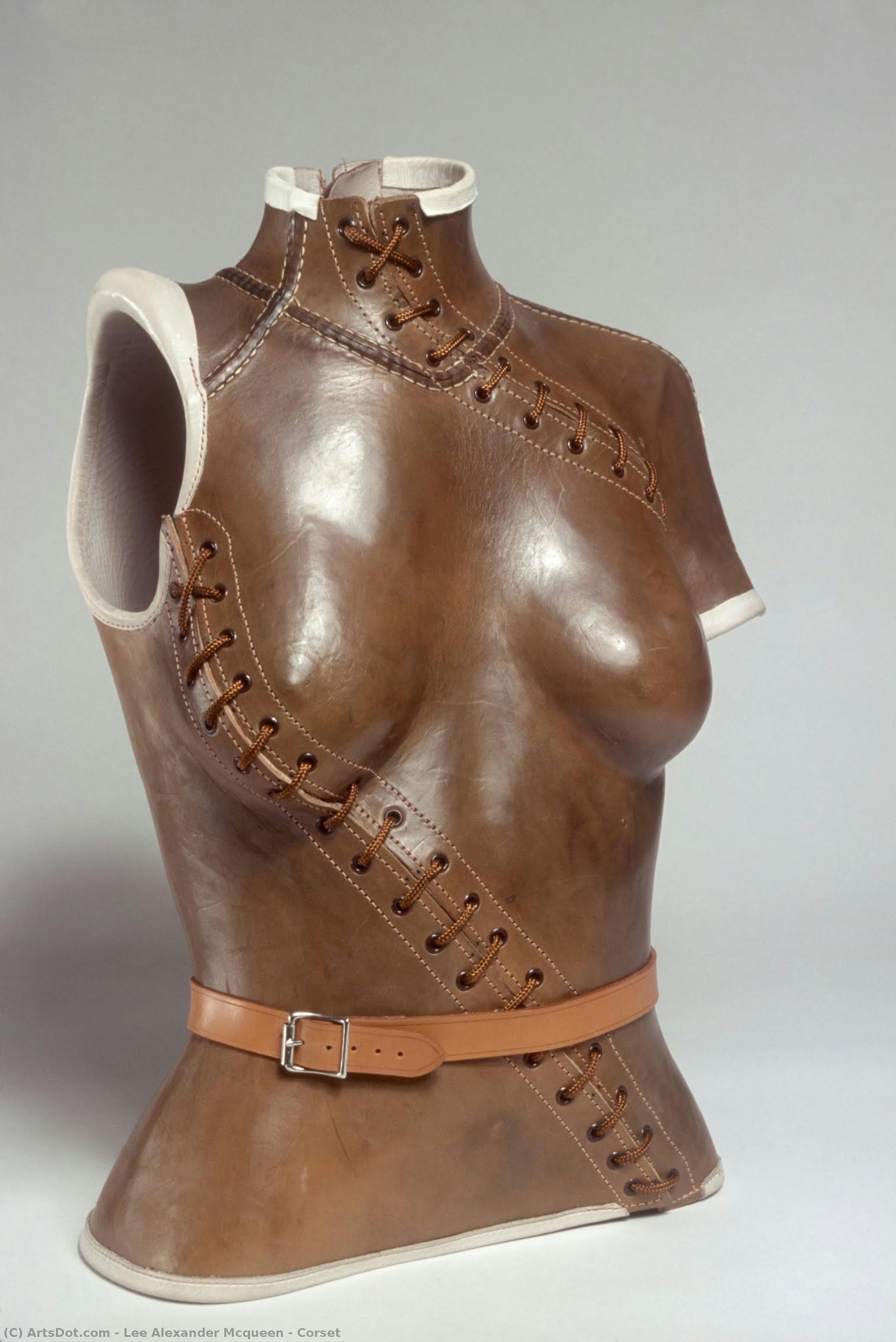
Lee Alexander Mcqueen: um retrato do artista
A Rebel Tailor: The Life and Legacy of Lee Alexander McQueen
Lee Alexander McQueen, a name synonymous with boundary-pushing fashion and dramatic artistry, emerged from a working-class upbringing in London’s East End to become one of the most influential designers of his generation. Born on March 17, 1969, young Lee displayed an early aptitude for creativity, crafting dresses for his sisters – a nascent expression of the vision that would later captivate and often shock the fashion world. This initial spark led him to leave school at sixteen and embark on an apprenticeship on Savile Row, the hallowed ground of British tailoring. It was here, amidst the precision and tradition of bespoke menswear, that McQueen honed his technical skills – a foundation upon which he would build his revolutionary aesthetic. His time with Anderson & Sheppard, crafting suits even for figures like Prince Charles, instilled in him an unparalleled understanding of cut, construction, and form. However, McQueen’s ambition extended beyond traditional tailoring; he sought to deconstruct and reimagine the very language of clothing. Subsequent roles with theatrical costumiers Angels and Bermans further fueled his imagination, exposing him to a world of fantasy, performance, and dramatic expression.
Early Years: From East End Roots to Savile Row Apprenticeship
Lee Alexander McQueen was born into a modest family residing in public housing in Lewisham district, London. His father, Ronald, worked as a taxi driver, providing for his six children—a testament to resilience and determination amidst challenging circumstances. Joyce McQueen, Lee’s mother, instilled in him a love of learning and nurtured his intellectual curiosity through her role as a social science teacher. From an early age, Lee demonstrated an innate fascination with fashion and design, experimenting with fabrics and silhouettes before he even began formal schooling. This passion would ultimately shape his entire career trajectory. At sixteen, McQueen abandoned the conventional path of higher education, opting instead for an apprenticeship at Savile Row—the epicenter of British menswear tailoring. This decision proved pivotal, immersing him in the meticulous craftmanship of bespoke suits and establishing a bedrock of technical expertise that would inform his groundbreaking designs. The influence of Savile Row’s traditions extended far beyond mere skill; it instilled in McQueen a profound appreciation for heritage and craftsmanship—values he consistently championed throughout his illustrious career.
Finding His Niche: From Angels & Bermans to Milanese Inspiration
McQueen’s pursuit of fashion excellence continued after Savile Row, propelling him into collaborations with theatrical costumiers Angels and Bermans. These experiences broadened his artistic horizons, exposing him to the expressive potential of performance art and fostering a fascination with storytelling through visual mediums. Recognizing his burgeoning talent, McQueen ventured abroad, accepting a position as a design assistant in Milan—a city renowned for its avant-garde fashion scene. This immersion in Italian aesthetics provided invaluable inspiration, shaping his stylistic sensibilities and introducing him to new techniques of draping and construction. He honed his skills further by studying at Central Saint Martins College of Art and Design, where he earned an MA in Fashion Design in 1992—a formative period that solidified his artistic vision and prepared him for the challenges ahead. His graduate collection, inspired by the chilling tales of Jack the Ripper, immediately garnered critical acclaim—a bold declaration of intent that foreshadowed his future explorations of history, psychology, and societal taboos. Crucially, Isabella Blow, a visionary fashion editor who recognized McQueen’s raw talent, championed his work and secured him a crucial financial backing.
The Rise of McQueen: Savile Row to Givenchy
McQueen’s career ascended rapidly after graduating from CSM, establishing himself as a formidable force in the menswear industry. His early collaborations with Anderson & Sheppard cemented his reputation for impeccable tailoring—a skill he would consistently prioritize throughout his illustrious career. He quickly gained recognition for his innovative designs and daring conceptual approaches, attracting attention from influential figures within the fashion world. In 1996, McQueen received the British Designer of the Year award—a momentous achievement that acknowledged his exceptional talent and solidified his position as one of Britain’s most promising designers. Shortly thereafter, he accepted the role of Chief Designer at Givenchy—the prestigious French couture house founded by Hubert de Givenchy in 1952—following Givenchy’s retirement. This appointment marked a significant turning point in McQueen’s career, propelling him to international prominence and affording him access to unparalleled creative freedom. Despite facing challenges during his tenure at Givenchy, he maintained unwavering dedication to his craft and consistently pushed the boundaries of fashion innovation.
A Legacy of Innovation: Dark Romanticism and Beyond
McQueen’s designs were characterized by a distinctive blend of subversive artistry and meticulous craftsmanship—a hallmark of his aesthetic that captivated audiences worldwide. He drew inspiration from diverse sources, seamlessly merging historical references with contemporary sensibilities—often exploring themes of darkness, romance, and mortality with unflinching honesty. His runway shows became legendary for their theatricality, incorporating elaborate sets, dramatic lighting, and performance art elements—demonstrating his belief in fashion as a form of storytelling and artistic expression. He championed the exploration of unconventional materials and techniques, challenging established conventions and redefining notions of beauty and elegance. McQueen’s influence extended far beyond the catwalk, inspiring designers and artists alike to embrace experimentation and push creative boundaries. His tragic death on February 11, 2010, marked the end of an extraordinary artistic journey—yet his legacy continues to endure, shaping the landscape of contemporary fashion and solidifying his place as a true visionary.