Retrato de Joseph Stannard

As 17 Pinturas Mais Famosas de Joseph Stannard, uma Seleção da Galeria

Atualizado em Novembro 2026 · classificado pela nossa pontuação de popularidade (pesquisas, visitas e pedidos de cada obra) · 17 obras de Joseph Stannard em nosso catálogo

Em resumo

De todas as obras originais que Joseph Stannard deixou, a mais famosa é Thorpe Water Frolic, Afternoon (1824). Logo atrás vêm Buckenham Ferry, on the River Yare, Norfolk (1826) e Fishing Smack and Other Vessels in a Strong Breeze (1830). Nosso catálogo contém 17 obras de Joseph Stannard; a galeria preservou as 17 que o mundo mais admira, cada uma exibida com sua data, seu museu e sua história.

1797 – 1830, Norwich Mais obras: Yale Center for British Art

As 10 principais pinturas de Joseph Stannard: a escolha da galeria

1
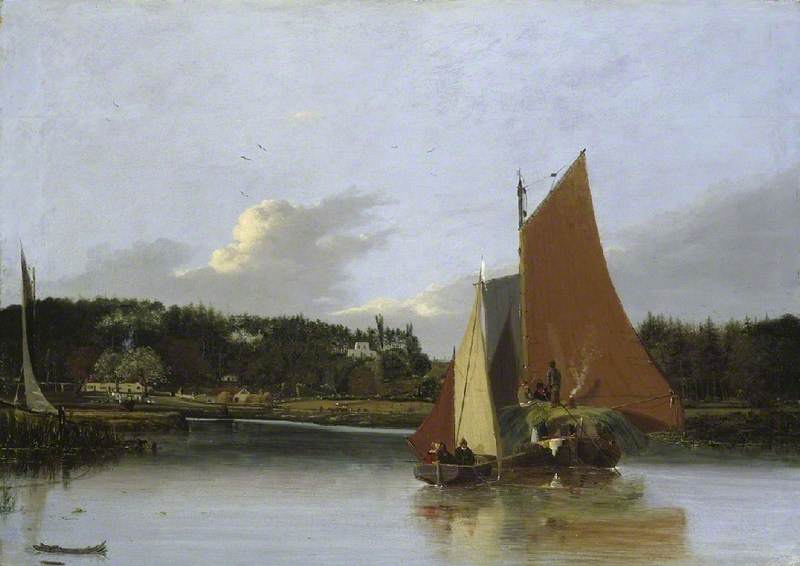
Thorpe Water Frolic, Afternoon (1824) de Joseph Stannard

Thorpe Water Frolic, Afternoon

1824 · Oil On Canvas

The canvas depicts a wide expanse of water filled with various vessels during a daytime event. Several sailboats of different sizes and designs occupy the midground and background, while others sit closer to the shoreline. Small figures are positioned on these boats and along the water's edge, engaged in sailing or observing the scene. The composition captures a moment of leisure, with the movement of the boats and the presence…

A seleção de Joseph Stannard continua, de 11 a 17

Os museus que guardam os originais de Joseph Stannard

Os 3 museus que detêm a maioria das pinturas desta página.

Museus Cidade Obras de Joseph Stannard Pinturas desta lista
Yale Center for British Art, New HavenYale Center for British Art New Haven 2 Buckenham Ferry, on the River Yare, Norfolk, Fishing Smack and Other Vessels in a Strong Breeze
National Trust, CambridgeNational Trust Cambridge 2 A Fisherboy with Lobster Pots by the Sea, A Ferry Boat with Cattle
Museu Fitzwilliam, CambridgeMuseu Fitzwilliam Cambridge 1 Boats on the Yare near Bramerton, Norfolk

Joseph Stannard ano a ano: as obras originais que definem cada um

As obras datadas de Joseph Stannard nesta seleção abrangem apenas 7 anos, de 1824 a 1830: uma carreira breve, apresentada aqui ano a ano.

Obras por ano

Escolha um ano para ver as obras originais.

Perguntas de colecionadores sobre as pinturas de Joseph Stannard

Por qual obra Joseph Stannard é mais conhecido(a)?Revelar a resposta

Thorpe Water Frolic, Afternoon (1824). Buckenham Ferry, on the River Yare, Norfolk (1826) e Fishing Smack and Other Vessels in a Strong Breeze (1830) vêm a seguir.

Qual era a idade de Joseph Stannard quando Thorpe Water Frolic, Afternoon foi feita?Revelar a resposta

27 anos: Thorpe Water Frolic, Afternoon data de 1824, e Joseph Stannard nasceu em 1797.

Quais são as dez pinturas mais famosas de Joseph Stannard?Revelar a resposta

Thorpe Water Frolic, Afternoon, Buckenham Ferry, on the River Yare, Norfolk, Fishing Smack and Other Vessels in a Strong Breeze, Yarmouth Beach and Jetty, Norfolk, Yarmouth Sands, Norfolk, Boats on the Yare near Bramerton, Norfolk, Yarmouth Jetty, Norfolk, Tetley Water, Fishing Boats in a Rough Sea e A Fisherboy with Lobster Pots by the Sea. O ranking acima apresenta o ano e o museu de cada uma.

Quantas pinturas Joseph Stannard deixou?Revelar a resposta

Nosso catálogo contém 17 obras de Joseph Stannard, datadas de 1824 a 1830.

Em quais museus estão expostas as obras-primas de Joseph Stannard?Revelar a resposta

Principalmente em Yale Center for British Art (New Haven), National Trust (Cambridge) e Museu Fitzwilliam (Cambridge). A tabela de museus acima lista todos eles.

Em que anos Joseph Stannard pintou as suas obras mais famosas?Revelar a resposta

Em 1828: 2 das 17 obras nesta página foram feitas então, sendo Yarmouth Beach and Jetty, Norfolk delas.

Quais são as primeiras e as últimas obras originais famosas de Joseph Stannard?Revelar a resposta

Nesta página, a mais antiga é Thorpe Water Frolic, Afternoon (1824) e a mais recente é Fishing Smack and Other Vessels in a Strong Breeze (1830).

Quais obras de Joseph Stannard estão expostas no Yale Center for British Art?Revelar a resposta

Buckenham Ferry, on the River Yare, Norfolk e Fishing Smack and Other Vessels in a Strong Breeze: o Yale Center for British Art, New Haven detém 2 das obras desta página.

Joseph Stannard: vida e obra

A Norfolk Master of Light and Landscape

Joseph Stannard (1797–1830) stands as a remarkable figure within the Norwich School of Painters, an artistic movement that flourished in Norfolk during the early Victorian era. Born in Norwich on September 13th, 1797, his formative years were shaped by the tutelage of John Crome—a celebrated landscape artist himself—who recognized Stannard’s prodigious talent and secured him a place at Norwich Grammar School. Despite facing financial constraints that necessitated a shift to Robert Ladbrooke as instructor, Stannard's artistic journey quickly gained momentum, establishing him as a prominent voice within the burgeoning Norfolk art scene.

From his debut exhibition in 1811 at the Norwich Society of Artists—a young boy showcasing remarkable skill—Stannost’s work garnered positive reviews in publications like The Norwich Mercury, cementing his reputation as a gifted artist. Demonstrating both ambition and artistic conviction, Stannard eventually severed ties with the Norwich Society of Artists in 1816 to forge ahead with a rival organization. This bold decision underscored his desire to pursue independent artistic endeavors and navigate the competitive landscape of the nineteenth-century British art world.

The Influence of the Dutch Masters

Stannard’s stylistic evolution was profoundly influenced by the profound legacies of the Dutch masters. During a transformative trip to Holland in 1821, he meticulously studied the works of legends such as Rembrandt and Vermeer. These encounters instilled within him a deep appreciation for chiaroscuro, atmospheric perspective, and the careful rendering of light and shadow—techniques that would become the unmistakable hallmarks of his oeuvre. By blending the local charm of English scenery with the dramatic lighting traditions of the Netherlands, he created a visual language that was both intimate and grand.

His mastery is perhaps most vividly realized in his ability to capture the ephemeral qualities of nature. Whether depicting the rugged coastline or the tranquil riverbanks of Norfolk, Stannard utilized light not merely as an illumination, but as a narrative tool to evoke emotion. His work often features:

  • Atmospheric Perspective: A technique used to create depth and a sense of vastness in his coastal and marine scenes.
  • Chiaroscuro: The dramatic interplay between light and dark that lends a sculptural quality to his subjects.
  • Realistic Detail: An exacting devotion to the textures of water, sand, and sky, particularly evident in works like Yarmouth Sands, Norfolk.

Legacy and Artistic Achievement

The zenith of Stannard's career is epitomized by his magnum opus, “Thorpe Water Frolic,” completed in 1825. This painting captures the serene beauty of Thorpe Waters with breathtaking realism, conveying a palpable sense of tranquility through its balanced and harmonious composition. It remains one of the most celebrated examples of his ability to transform a local landscape into a timeless piece of art. Beyond his landscapes, Stannard was also a skilled marine and portrait painter, capable of capturing the rugged vitality of maritime life and the dignified presence of his subjects.

Though his life was tragically short, ending in 1830, the impact of Joseph Stannard remains etched in the history of British art. He helped elevate the Norwich School from a provincial movement to a significant contributor to the national landscape tradition. His ability to marry the ruggedness of the English coast with the sophisticated light-play of the Dutch masters ensures that his name continues to resonate with anyone seeking the true essence of the Norfolk spirit.