Retrato de John Phillip

As 100 Pinturas Mais Famosas de John Phillip, Cada Uma Única

Atualizado em Outubro 2026 · classificado pela nossa pontuação de popularidade (pesquisas, visitas e pedidos de cada obra) · 101 obras de John Phillip em nosso catálogo

Em resumo

Mary MacKay Caird, later Mrs James Glen (1847 - 1940) (1866) é a pintura de John Phillip que mais atrai olhares; a obra original pertence ao Scottish National Gallery, Edimburgo. Depois disso, o olhar recai sobre William Borthwick Johnstone (1804 - 1868) (1865) e Gonzalo de Vilches, 1st Earl of Vilches (?) (1850). Entre as 101 obras de John Phillip em nosso catálogo, estas 100 são as mais famosas, cada uma uma original única apresentada com o seu ano, o seu museu e a razão pela qual perdura.

1817 – 1867, Aberdeen Academic realism Mais obras: Royal Collection

As 10 principais pinturas de John Phillip, sob o olhar da galeria

1
Mary MacKay Caird, later Mrs James Glen (1847 - 1940) (1866) de John Phillip

Mary MacKay Caird, later Mrs James Glen (1847 - 1940)

1866 · Oil On Canvas · Scottish National Gallery, Edimburgo

A young woman is presented in a medium shot, her presence defined by a quiet, formal elegance. She holds a small dog, a detail that anchors the composition in a sense of domestic intimacy. The subject is positioned against a dark, textured background of foliage, which recedes into a distant, twilight landscape. Light enters from the upper left, casting a soft glow upon her face and chest, while the deep…

2
William Borthwick Johnstone (1804 - 1868) (1865) de John Phillip

William Borthwick Johnstone (1804 - 1868)

1865 · Oil On Canvas · Scottish National Gallery, Edimburgo

An elderly man gazes toward the right, his expression marked by quiet introspection and a sense of wisdom. This bust-length portrait utilizes a low-key, dramatic atmosphere to establish a somber tone. The subject's weathered skin and the subtle textures of his clothing are rendered through visible brushstrokes, suggesting the tactile reality of a life lived. Lighting originates from the upper left, casting soft shadows across the right side of the…

3
Gonzalo de Vilches, 1st Earl of Vilches (?) (1850) de John Phillip

Gonzalo de Vilches, 1st Earl of Vilches (?)

1850 · Oil On Canvas · Museu do Prado, Madrid

A young man occupies the center of this intimate space, his body turned in a three-quarter view that suggests a sudden, quiet movement. He gazes toward the left, his eyes fixed on something unseen beyond the frame, lending the scene a sense of suspended animation. A heavy, dark mantle drapes over his shoulders, its deep shadows swallowing the light, while a crisp white collar breaks the darkness with a sharp,…

4
Ellen Brown, Mrs William Borthwick Johnstone (1861) de John Phillip

Ellen Brown, Mrs William Borthwick Johnstone

1861 · Oil On Canvas · Scottish National Gallery, Edimburgo

The portrait titled Ellen Brown, Mrs William Borthwick Johnstone emerges from the canvas as a quiet study of a woman in her prime. Painted by John Phillip in 1861, the work captures Ellen Brown, the daughter of J. C. Brown, ARSA. She sits with a composed grace that suggests a life of refinement and settled purpose. There is a stillness in her gaze that invites the viewer into her private…

5
Rev. Alexander Dyce Davidson, 1807 - 1872. Free Church minister (1850) de John Phillip

Rev. Alexander Dyce Davidson, 1807 - 1872. Free Church minister

1850 · Oil On Canvas · Galeria Nacional de Retratos de Escócia, Edimburgo

This oil on canvas portrait is titled Rev. Alexander Dyce Davidson, 1807 - 1872. Free Church minister. The work was executed by the artist John Phillip about 1850. It depicts the subject, Rev. Alexander Dyce Davidson, in a formal bust-length composition. The sitter is positioned slightly off-center, facing toward the viewer's right while his gaze meets the observer directly. He is shown wearing a dark clerical garment and a white…

Pinturas famosas de John Phillip, números 11 a 100

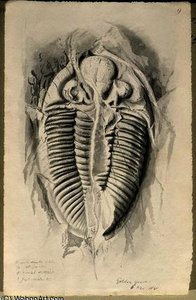
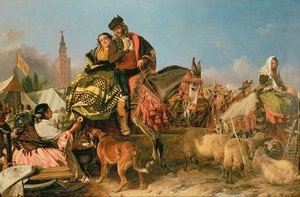
11Dorothea Harriet Gibbs (1840 -1914), as a child (1844) de John PhillipDorothea Harriet Gibbs (1840 -1914), as a child1844 · Tyntesfield 12Provost George Henry (1850-1853) (1845) de John PhillipProvost George Henry (1850-1853)1845 13Disgorging the Fly (1841) de John PhillipDisgorging the Fly1841 14The Highland Home (1845) de John PhillipThe Highland Home1845 15Tasso in Disguise Relating his Persecutions to his Sister (1840) de John PhillipTasso in Disguise Relating his Persecutions to his Sister1840 16Self Portrait (1840) de John PhillipSelf Portrait1840 17Mrs Jean Chalmers (1840) de John PhillipMrs Jean Chalmers1840 18A Scotch Fair (1848) de John PhillipA Scotch Fair1848 19The Orange Girl (1854) de John PhillipThe Orange Girl1854 · Birmingham Museum and Art Gallery 20A Spanish Gipsy Mother (1852) de John PhillipA Spanish Gipsy Mother1852 · Royal Collection 21El Paseo (1854) de John PhillipEl Paseo1854 · Royal Collection 22Princess Feodora of Hohenlohe-Langenburg (1839-1872) (1852) de John PhillipPrincess Feodora of Hohenlohe-Langenburg (1839-1872)1852 · Royal Collection 23Princess Charlotte of Belgium (1840-1927) (1852) de John PhillipPrincess Charlotte of Belgium (1840-1927)1852 · Royal Collection 24Collecting the Offering in a Scottish Kirk (1855) de John PhillipCollecting the Offering in a Scottish Kirk1855 · York Art Gallery 25La Perla de Triana (1852) de John PhillipLa Perla de Triana1852 26William Brodie RSA, sculptor (1850) de John PhillipWilliam Brodie RSA, sculptor1850 27John Innes (1850) de John PhillipJohn Innes1850 28Gypsy Musicians of Spain (Spanish Minstrels) (1855) de John PhillipGypsy Musicians of Spain (Spanish Minstrels)1855 29Sketch for "Drawing For The Militia" (1849) de John PhillipSketch for "Drawing For The Militia"1849 30The Marriage of the Princess Victoria Adelaide, Princess Royal (1840-1901) later Empress of Prussia, to Crown Prince Frederick William of Prussia (1831-1888) later Emperor Frederick III, Emperor of G (1858) de John PhillipThe Marriage of the Princess Victoria Adelaide, Princess Royal (1840-1901) later Empress of Prussia, to Crown Prince Frederick William of Prussia (1831-1888) later Emperor Frederick III, Emperor of G1858 31The Promenade (1859) de John PhillipThe Promenade1859 32The Antonia (1863) de John PhillipThe Antonia1863 33The Prison Window (1857) de John PhillipThe Prison Window1857 34Princess Beatrice (1857-1944) later Princess Henry of Battenberg (1860) de John PhillipPrincess Beatrice (1857-1944) later Princess Henry of Battenberg1860 · Royal Collection 35Spanish Boys Playing at Bull-fighting (1860) de John PhillipSpanish Boys Playing at Bull-fighting1860 · Scottish National Gallery 36John Phillip, 1817 - 1867. Artist (Self-portrait) (1863) de John PhillipJohn Phillip, 1817 - 1867. Artist (Self-portrait)1863 37William Borthwick Johnstone, 1804 - 1868. Artist (1861) de John PhillipWilliam Borthwick Johnstone, 1804 - 1868. Artist1861 · Galeria Nacional de Retratos de Escócia 38Samuel Bough, 1822 - 1878. Landscape painter (1856) de John PhillipSamuel Bough, 1822 - 1878. Landscape painter1856 · Galeria Nacional de Retratos de Escócia 39Spanish peasants at the well (1859) de John PhillipSpanish peasants at the well1859 40Albert (1819–1861), Prince Consort (1859) de John PhillipAlbert (1819–1861), Prince Consort1859 41La Loteria Nacional (1860) de John PhillipLa Loteria Nacional1860 42House of Commons - Study for 'At The House of Commons' (1860) de John PhillipHouse of Commons - Study for 'At The House of Commons'1860 43Kate Nickleby (1862) de John PhillipKate Nickleby1862 44Miss Jean Isabella Ross (1856) de John PhillipMiss Jean Isabella Ross1856 45Sketch for "The Marriage of the Princess Royal" (1858) de John PhillipSketch for "The Marriage of the Princess Royal"1858 46Agua-Bendita - A Church Scene (1861) de John PhillipAgua-Bendita - A Church Scene1861 47The Artist's Spanish Guide (1856) de John PhillipThe Artist's Spanish Guide1856 48The Pride of Seville (1858) de John PhillipThe Pride of Seville1858 49La Bomba (1863) de John PhillipLa Bomba1863 50O Nannie, Wilt Thou Gang Wi'me (1859) de John PhillipO Nannie, Wilt Thou Gang Wi'me1859 51Dolores, A Spanish Widow (1862) de John PhillipDolores, A Spanish Widow1862 52Una Maja Bonita (1856) de John PhillipUna Maja Bonita1856 53Spanish Peasants - The Wayside in Andalucia (1863) de John PhillipSpanish Peasants - The Wayside in Andalucia1863 54'La Gloria': A Spanish Wake (1864) de John Phillip'La Gloria': A Spanish Wake1864 · Scottish National Gallery 55Donald Kennedy of Drumashie, Inverness (1865) de John PhillipDonald Kennedy of Drumashie, Inverness1865 56The Spanish Flower Seller (1864) de John PhillipThe Spanish Flower Seller1864 57The Fortune Teller de John PhillipThe Fortune Teller 58First steps de John PhillipFirst steps 59Self-portrait de John PhillipSelf-portraitScottish National Gallery 60The Brig 'Manly' (1834) de John PhillipThe Brig 'Manly'1834 61Sketch for 'A Scotch Fair' (1848) de John PhillipSketch for 'A Scotch Fair'1848 62Spanish Carnival de John PhillipSpanish CarnivalFitzwilliam Museum 63A Highland Piper de John PhillipA Highland PiperRoyal Collection 64Two Boys: Study after 'Spanish Boys Playing at Bull-fighting' (NG 534) de John PhillipTwo Boys: Study after 'Spanish Boys Playing at Bull-fighting' (NG 534)Scottish National Gallery 65Sir Thomas Blaikie, Provost of Aberdeen 1839-47, 1853-56 de John PhillipSir Thomas Blaikie, Provost of Aberdeen 1839-47, 1853-56 66John Smith, First City Architect to Aberdeen de John PhillipJohn Smith, First City Architect to Aberdeen 67Bal Masque de John PhillipBal Masque 68Nude Bather - after Rubens de John PhillipNude Bather - after Rubens 69Gathering The Offerings de John PhillipGathering The Offerings 70Highland Lassie de John PhillipHighland Lassie 71Self Portrait de John PhillipSelf Portrait 72Portrait of a Lady de John PhillipPortrait of a Lady 73James Hardie de John PhillipJames Hardie 74Cornelius van der Geest - after Van Dyck de John PhillipCornelius van der Geest - after Van Dyck 75The Artist and his Wife de John PhillipThe Artist and his Wife 76Self Portrait de John PhillipSelf Portrait 77Lady Gordon and her Child de John PhillipLady Gordon and her Child 78The Bohemian Woman de John PhillipThe Bohemian Woman 79Charity de John PhillipCharity 80Scotch Washing de John PhillipScotch Washing 81Presbyterian catechising de John PhillipPresbyterian catechisingScottish National Gallery 82Faith (1864) de John PhillipFaith1864 · Museu de Londres 83Trilobite from Golden Grove de John PhillipTrilobite from Golden Grove 84In The Garden, Seville de John PhillipIn The Garden, Seville 85At the Opera de John PhillipAt the Opera 86Spanish Industry de John PhillipSpanish Industry 87Fiesta Time de John PhillipFiesta Time 88Fair At Seville de John PhillipFair At Seville 89Life Among The Gypsies, Seville de John PhillipLife Among The Gypsies, Seville 90A scottish fair de John PhillipA scottish fair 91A Scottish Christening de John PhillipA Scottish Christening 92A Gypsy Water-Carrier of Seville de John PhillipA Gypsy Water-Carrier of Seville 93The orange seller de John PhillipThe orange seller 94Lord Palmerston Addressing the House of Commons de John PhillipLord Palmerston Addressing the House of Commons 95A Scotch Roadside Inn de John PhillipA Scotch Roadside Inn 96Lady Playing The Mandolin de John PhillipLady Playing The MandolinWolverhampton Art Gallery 97The Evil Eye de John PhillipThe Evil Eye 98The Dying Contrabandista (1858) de John PhillipThe Dying Contrabandista1858 · Royal Collection 99The Marriage of Victoria, Princess Royal, 25 January 1858 (1860) de John PhillipThe Marriage of Victoria, Princess Royal, 25 January 18581860 · Royal Collection 100The Letter-Writer of Seville (1854) de John PhillipThe Letter-Writer of Seville1854 · Royal Collection

Os temas que cativaram o olhar de John Phillip

Os quatro temas que mais se repetem nestas obras originais, cada um com o seu melhor exemplo.

Os museus que guardam os originais de John Phillip

Os 8 museus que detêm a maioria das pinturas desta página.

Museus Cidade Obras de John Phillip Pinturas desta lista
Royal Collection, LondresRoyal Collection Londres 9 A Spanish Gipsy Mother, El Paseo, Princess Feodora of Hohenlohe-Langenburg (1839-1872)
Scottish National Gallery, EdimburgoScottish National Gallery Edimburgo 8 Mary MacKay Caird, later Mrs James Glen (1847 - 1940), William Borthwick Johnstone (1804 - 1868), Ellen Brown, Mrs William Borthwick Johnstone
Galeria Nacional de Retratos de Escócia, EdimburgoGaleria Nacional de Retratos de Escócia Edimburgo 3 Rev. Alexander Dyce Davidson, 1807 - 1872. Free Church minister, William Borthwick Johnstone, 1804 - 1868. Artist, Samuel Bough, 1822 - 1878. Landscape painter
TyntesfieldTyntesfield 3 Oil painting, Antony Gibbs (1841 - 1907), aged 3, Dorothea Harriet Gibbs (1840 -1914), as a child
Museu do Prado, MadridMuseu do Prado Madrid 1 Gonzalo de Vilches, 1st Earl of Vilches (?)
Birmingham Museum and Art Gallery, BirminghamBirmingham Museum and Art Gallery Birmingham 1 The Orange Girl
York Art Gallery, YorkYork Art Gallery York 1 Collecting the Offering in a Scottish Kirk
Fitzwilliam MuseumFitzwilliam Museum 1 Spanish Carnival

John Phillip ao longo das décadas: uma obra original única para cada uma

Obras por década

Escolha uma década para ver a obra original que a define.

Pinturas de John Phillip: perguntas para a galeria

Qual é a obra mais famosa de John Phillip?Revelar a resposta

Mary MacKay Caird, later Mrs James Glen (1847 - 1940) (1866), Scottish National Gallery, Edimburgo. William Borthwick Johnstone (1804 - 1868) (1865) e Gonzalo de Vilches, 1st Earl of Vilches (?) (1850) vêm a seguir.

Com que idade John Phillip criou Mary MacKay Caird, later Mrs James Glen (1847 - 1940)?Revelar a resposta

49 anos: Mary MacKay Caird, later Mrs James Glen (1847 - 1940) data de 1866, e John Phillip nasceu em 1817.

Quais são as dez pinturas mais famosas de John Phillip?Revelar a resposta

Mary MacKay Caird, later Mrs James Glen (1847 - 1940), William Borthwick Johnstone (1804 - 1868), Gonzalo de Vilches, 1st Earl of Vilches (?), Ellen Brown, Mrs William Borthwick Johnstone, Rev. Alexander Dyce Davidson, 1807 - 1872. Free Church minister, Ann Allan, James Blaikie of Craigiebuckler, Provost of Aberdeen (1833-1835), Sketch after Rubens, Oil painting e Antony Gibbs (1841 - 1907), aged 3. O ranking acima apresenta o ano e o museu de cada uma.

Quantas obras de John Phillip são conhecidas?Revelar a resposta

Nosso catálogo contém 101 obras de John Phillip, datadas de 1831 a 1866.

Onde se pode ver os originais mais famosos de John Phillip?Revelar a resposta

Principalmente em Royal Collection (Londres), Scottish National Gallery (Edimburgo) e Galeria Nacional de Retratos de Escócia (Edimburgo). A tabela de museus acima lista todos eles.

Em que período John Phillip criou as suas pinturas mais conhecidas?Revelar a resposta

Em 1850s: 26 das 100 obras nesta página foram feitas então, sendo Gonzalo de Vilches, 1st Earl of Vilches (?) delas.

Qual pintura famosa de John Phillip é a mais antiga e qual é a mais recente?Revelar a resposta

Nesta página, a mais antiga é Ann Allan (1831) e a mais recente é Mary MacKay Caird, later Mrs James Glen (1847 - 1940) (1866).

Quais temas John Phillip preferia?Revelar a resposta

Man (4), Woman (3) e Portrait (3), entre as 100 obras nesta página.

Com quais materiais John Phillip mais pintou?Revelar a resposta

Oil On Canvas, para 6 das 100 obras nesta página.

A qual movimento pertence a obra de John Phillip?Revelar a resposta

Academic realism, a julgar pelos originais nesta página.

Quais originais de John Phillip posso ver no Royal Collection?Revelar a resposta

A Spanish Gipsy Mother, El Paseo e Princess Feodora of Hohenlohe-Langenburg (1839-1872): o Royal Collection, Londres detém 9 das obras desta página.

John Phillip: um retrato do artista

O Pintor de Sonhos Espanhóis: A Vida e o Legado de John Phillip

Nascido na paisagem rústica de Aberdeen, Escócia, em 1817, John Phillip acabaria por transcender as suas origens humildes para se tornar uma das vozes mais evocativas da era vitoriana. Afetuosamente conhecido pelo apelido de "Spanish Phillip," a sua jornada foi de uma transformação profunda, passando das representações meticulosas e sombrias da vida rural escocesa para as telas vibrantes e banhadas pelo sol do Sul da Europa. Os seus primeiros anos foram marcados por um talento emergente que atraiu o olhar de patronos influentes, mais notavelmente Lord Panmure, cuja generosidade proporcionou a ponte essencial para que Phillip chegasse à Royal Academy of Arts de Londres em 1836. Foi dentro desta prestigiada instituição que Phillip encontrou a sua tribo artística, juntando-se ao influente grupo conhecido como The Clique. Liderado pelo excêntrico Richard Dadd, este círculo de artistas partilhava uma profunda reverência pelo realismo narrativo de William Hogarth e pelas paisagens dramáticas de David Wilkie, princípios que formariam a base do seu domínio técnico inicial.

Nos seus anos formativos, o pincel de Phillip dedicou-se à dignidade e às dificuldades do povo escocês. Ele capturou a existência silenciosa e, muitas vezes, extenuante dos camponeses com uma precisão que falava à alma da sua terra natal. Estas obras iniciais caracterizavam-se por uma atenção meticulosa ao detalhe e um sentido de piedosa domesticidade, refletindo as correntes culturais da Escócia do final da era vitoriana. No entanto, uma mudança crucial ocorreu em 1851, motivada por conselhos médicos para procurar climas mais quentes para a sua saúde. Esta peregrinação à Espanha não foi apenas uma jornada restauradora, mas um renascimento artístico. Enquanto passeava pelas ruas de Sevilha e Madrid, as sombras da Escócia foram substituídas pela luz brilhante da Andaluzia. A influência dos mestres espanhóis Bartolom Tamayo, Bartolomé Esteban Murillo e Diego Velázquez começou a permear o seu trabalho, alterando fundamentalmente a sua paleta e a sua abordagem à forma.

Uma Transformação de Luz e Técnica

A transição do estilo detalhado, quase documental, do seu período escocês para uma técnica muito mais ampla e pictórica marca a evolução mais fascinante da carreira de Phillip. Embora inicialmente tenha resistido ao emergente movimento pré-rafaelita, as suas obras tardias, como The Letter Writer, Seville, começaram a exibir um envolvimento subtil com as suas qualidades luminosas. À medida que as suas viagens aprofundavam a sua ligação ao espírito espanhol, a sua pincelada tornou-se mais confiante e expressiva, espelhando os desenvolvimentos de fim de carreira de contemporâneos como John Everett Millais. Ele afastou-se dos contornos rígidos em direção a uma exploração da textura e da atmosfera, utilizando o impasto para capturar o calor e o pó da paisagem espanhola.

Esta maturação estilística atingiu o seu auge na década de 1860, onde as suas composições se tornaram mais grandiosas e emocionalmente ressonantes. A sua capacidade de tecer os seguintes elementos definiu o seu período de maturidade:

  • Chiaroscuro Dramático: Utilizando sombras profundas e realces penetrantes para criar uma sensação de movimento teatral.
  • Imersão Cultural: Indo além da mera observação para capturar a própria essência da vida de rua espanhola e da devoção religiosa.
  • Profundidade Narrativa: Criando cenas que pareciam momentos congelados de uma história maior e em desenrolar, tal como as suas inspirações, Murillo e Velázquez.

Grandes conquistas como The Early Career of Murillo (1864) e La Gloria (1865) erguem-se como testemunhos deste período de mestria. Nestas obras, Phillip não pintou apenas temas; ele pintou a própria história da arte, prestando homenagem aos mestres que inspiraram a sua própria metamorfose. O seu legado permanece o de um construtor de pontes — entre as tradições sombrias da pintura de género escocesa e o romantismo vibrante e luminoso do Mediterrâneo. Embora a sua vida tenha sido interrompida em 1867, John Phillip deixou um corpo de trabalho que continua a encantar, convidando os espectadores a sair das névoas cinzentas do Norte e a entrar no brilho eterno e dourado dos seus sonhos espanhóis.