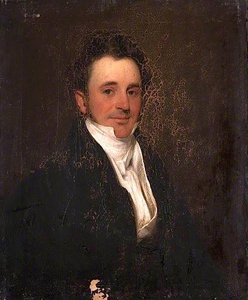
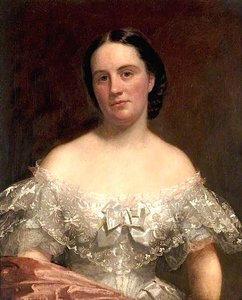
Retrato de John Graham-Gilbert

As 100 Pinturas Mais Famosas de John Graham-Gilbert, uma Seleção da Galeria

Atualizado em Novembro 2026 · classificado pela nossa pontuação de popularidade (pesquisas, visitas e pedidos de cada obra) · 140 obras de John Graham-Gilbert em nosso catálogo

Em resumo

De todas as obras originais que John Graham-Gilbert deixou, a mais famosa é James Watt (1736–1819) (1819). Logo atrás vêm Professor George Jardine (1742–1827) (after Henry Raeburn) (1827) e John T. Alston (1780–1857), Provost of Glasgow (1820–1821) (1832). Nosso catálogo contém 140 obras de John Graham-Gilbert; a galeria preservou as 100 que o mundo mais admira, cada uma exibida com sua data, seu museu e sua história.

1794 – 1866, Glasgow Neoclassicism Mais obras: The Dick Institute

As 10 principais pinturas de John Graham-Gilbert: a escolha da galeria

1
James Watt (1736–1819) (1819) de John Graham-Gilbert

James Watt (1736–1819)

1819 · Oil On Canvas

A single light source strikes the brow of James Watt, casting the rest of the world into a heavy, velvet darkness. He sits in a quiet stillness, his gaze fixed forward as if looking through the viewer toward a horizon of steam and iron. The white of his hair catches the light, a stark contrast against the deep shadows that define the contours of his face. There is a gravity…

2
Professor George Jardine (1742–1827) (after Henry Raeburn) (1827) de John Graham-Gilbert

Professor George Jardine (1742–1827) (after Henry Raeburn)

1827 · Oil On Canvas

The shadows cling to the edges of the frame, leaving only the face and upper torso of Professor George Jardine to emerge from the darkness. He gazes directly at us, his expression heavy with a quiet, intellectual authority that seems to command the very air around him. There is a stillness here, a moment frozen in 1827, where the weight of a lifetime of thought is etched into the lines…

3
John T. Alston (1780–1857), Provost of Glasgow (1820–1821) (1832) de John Graham-Gilbert

John T. Alston (1780–1857), Provost of Glasgow (1820–1821)

1832 · Oil On Canvas

The portrait presents a formal study of John Thomas Alston, a man whose posture and expression command the space of the canvas. He is depicted in a moment of quiet gravity, his presence defined by the heavy, dark tones of his attire and the deliberate arrangement of his hands. The lighting is directional, carving his features out of a deep, shadowed background and emphasizing the textures of his skin and…

4
Mrs Hugh Robertson of Gartloch (1798–1846) (1841) de John Graham-Gilbert

Mrs Hugh Robertson of Gartloch (1798–1846)

1841 · Oil On Canvas

The portrait depicts a woman seated in profile against a dark, indistinct background. She is positioned centrally, her form creating a pyramidal structure that directs the eye toward her head. The subject wears a burgundy velvet dress, the texture of which is rendered through meticulous brushwork that suggests the weight and softness of the fabric. A lace detail adorns the neckline, and a red feathered hat rests upon her head.…

5
Professor James Adair Lawrie; (1801-1859) (1855) de John Graham-Gilbert

Professor James Adair Lawrie; (1801-1859)

1855 · Oil On Canvas · The Hunterian Museum and Art Gallery, Glasgow

In this 1855 oil portrait, we encounter Professor James Adair Lawrie, a man whose presence commands a quiet, somber authority. He is presented in a three-quarter length view, seated with an upright posture that suggests a lifetime of academic discipline. The composition is intimate, placing the viewer at eye-level with the subject, creating a direct connection that feels almost private. There is a profound sense of weight to the figure,…

6
Mrs Agnes D'Arcy Jarvie (1866) de John Graham-Gilbert

Mrs Agnes D'Arcy Jarvie

1866 · Oil On Canvas

This portrait, titled Mrs Agnes D'Arcy Jarvie, was painted by John Graham Gilbert in 1866. The subject is depicted from the chest up in a seated position. She is positioned in the center of the frame, gazing directly at the viewer. The composition focuses on her face and upper body, set against a blurred background that suggests an interior environment.

A seleção de John Graham-Gilbert continua, de 11 a 100

11Self Portrait (copy of Joshua Reynolds) (1819) de John Graham-GilbertSelf Portrait (copy of Joshua Reynolds)1819 12James Irvine (1826) de John Graham-GilbertJames Irvine1826 13An Italian Nobleman (1830) de John Graham-GilbertAn Italian Nobleman1830 14James Dennistoun, Esq., of Golfhill (1829) de John Graham-GilbertJames Dennistoun, Esq., of Golfhill1829 15Joseph Hume, Political Economist (1823) de John Graham-GilbertJoseph Hume, Political Economist1823 16James Irvine (d.1831) (1826) de John Graham-GilbertJames Irvine (d.1831)1826 17William Murdoch (1754–1839) (1827) de John Graham-GilbertWilliam Murdoch (1754–1839)1827 · Birmingham Museum and Art Gallery 18William Dale (1794–1827) (1825) de John Graham-GilbertWilliam Dale (1794–1827)1825 19A Tyrolese Hunter (1826) de John Graham-GilbertA Tyrolese Hunter1826 20Joseph Hume (1777–1855), Political Economist (1823) de John Graham-GilbertJoseph Hume (1777–1855), Political Economist1823 · Galeria Nacional de Retratos de Escócia 21William Richardson (1743–1814), Professor of Humanity at the University of Glasgow (1773–1815) (1827) de John Graham-GilbertWilliam Richardson (1743–1814), Professor of Humanity at the University of Glasgow (1773–1815)1827 22An Italian Nobleman (1830) de John Graham-GilbertAn Italian Nobleman1830 · Royal Scottish Academy of Art - Architecture 23Saint Sebastian (1826) de John Graham-GilbertSaint Sebastian1826 24James Dennistoun, Esq., of Golfhill (1758–1835) (1829) de John Graham-GilbertJames Dennistoun, Esq., of Golfhill (1758–1835)1829 25Sir Walter Scott (1771–1832), Bt, FRSE (1829) de John Graham-GilbertSir Walter Scott (1771–1832), Bt, FRSE1829 · The Royal Society of Edinburgh 26Figure of a Lady (after Jacopo Palma il vecchio) (1825) de John Graham-GilbertFigure of a Lady (after Jacopo Palma il vecchio)1825 27The Martyrdom of Saint Justina (after Paolo Veronese) (1825) de John Graham-GilbertThe Martyrdom of Saint Justina (after Paolo Veronese)1825 28Reverend Stevenson MacGill (1765–1840), Professor of Divinity at the University of Glasgow (1834) de John Graham-GilbertReverend Stevenson MacGill (1765–1840), Professor of Divinity at the University of Glasgow1834 29James Hopkirk of Dalbeth (1835) de John Graham-GilbertJames Hopkirk of Dalbeth1835 30Thomas Graham (1805–1869), FRS (1837) de John Graham-GilbertThomas Graham (1805–1869), FRS1837 31Duncan MacFarlan (1771–1857), Principal of the University of Glasgow (1823–1857) (1839) de John Graham-GilbertDuncan MacFarlan (1771–1857), Principal of the University of Glasgow (1823–1857)1839 32John Gibson (1847) de John Graham-GilbertJohn Gibson1847 · Scottish National Gallery 33John Burns, Professor of Surgery at the University of Glasgow (1848) de John Graham-GilbertJohn Burns, Professor of Surgery at the University of Glasgow1848 34Lord Kelvin William Thomson, at the Age of 22 (1846) de John Graham-GilbertLord Kelvin William Thomson, at the Age of 221846 35John Burns (1775–1850), Professor of Surgery at the University of Glasgow (1815–1850) (1848) de John Graham-GilbertJohn Burns (1775–1850), Professor of Surgery at the University of Glasgow (1815–1850)1848 36John Gibson (1790–1866), RA (1848) de John Graham-GilbertJohn Gibson (1790–1866), RA1848 37Portrait of an Unknown Sitter with a Book (1846) de John Graham-GilbertPortrait of an Unknown Sitter with a Book1846 · The Dick Institute 38Georgina Smith (1846) de John Graham-GilbertGeorgina Smith1846 · Stirling Smith Art Gallery And Museum 39Georgina Smith (1846) de John Graham-GilbertGeorgina Smith1846 · The Stirling Smith Art Gallery - Museum 40Lord Kelvin William Thomson (1824–1907), at the Age of 22 (1846) de John Graham-GilbertLord Kelvin William Thomson (1824–1907), at the Age of 221846 41Portrait of a Man (formerly designated as Andreas Vesalius) (after a Venetian artist) (1840) de John Graham-GilbertPortrait of a Man (formerly designated as Andreas Vesalius) (after a Venetian artist)1840 42Mrs James Scott of Kelly (1850) de John Graham-GilbertMrs James Scott of Kelly1850 43The Holy Family (1850) de John Graham-GilbertThe Holy Family1850 · Baddesley Clinton 44Mrs James Scott of Kelly (1850) de John Graham-GilbertMrs James Scott of Kelly1850 45Thomas Thomson (1773–1852) (1850) de John Graham-GilbertThomas Thomson (1773–1852)1850 46William Fleming (d.1866), Professor of Oriental Languages (1831–1839) and Professor of Moral Philosophy (1839–1866) at the University of Glasgow (1854) de John Graham-GilbertWilliam Fleming (d.1866), Professor of Oriental Languages (1831–1839) and Professor of Moral Philosophy (1839–1866) at the University of Glasgow1854 47Sir John Watson Gordon (1788–1864), Artist (1854) de John Graham-GilbertSir John Watson Gordon (1788–1864), Artist1854 · Galeria Nacional de Retratos de Escócia 48The First Born (1853) de John Graham-GilbertThe First Born1853 49Mrs John Jarvie (1859) de John Graham-GilbertMrs John Jarvie1859 50James Buchanan (1860) de John Graham-GilbertJames Buchanan1860 · Nhs Lothian 51Going to Market (1860) de John Graham-GilbertGoing to Market1860 52Crossing the Ford (1859) de John Graham-GilbertCrossing the Ford1859 53Alexander Hill (1786–1867), Professor of Divinity at the University of Glasgow (1840–1862) (1864) de John Graham-GilbertAlexander Hill (1786–1867), Professor of Divinity at the University of Glasgow (1840–1862)1864 54William Weir (1794–1876), President of the Faculty of Physicians and Surgeons of Glasgow (1847–1849) (1865) de John Graham-GilbertWilliam Weir (1794–1876), President of the Faculty of Physicians and Surgeons of Glasgow (1847–1849)1865 55The Bandit’s Bride (1866) de John Graham-GilbertThe Bandit’s Bride1866 · Royal Scottish Academy of Art - Architecture 56The Beggar Maid de John Graham-GilbertThe Beggar Maid 57Ideal Portrait de John Graham-GilbertIdeal Portrait 58A Lady (after Henry Raeburn) de John Graham-GilbertA Lady (after Henry Raeburn) 59Bailie David Mitchell, OBE de John Graham-GilbertBailie David Mitchell, OBE 60Charles Lawson of Borthwick Hall (d.1874), Lord Provost of Edinburgh (1862–1865) de John Graham-GilbertCharles Lawson of Borthwick Hall (d.1874), Lord Provost of Edinburgh (1862–1865) 61Archibald William Montgomerie (1812–1861), 13th Earl of Eglinton de John Graham-GilbertArchibald William Montgomerie (1812–1861), 13th Earl of Eglinton 62Ann Margaret Forbes Leslie, Wife of Alexander Forbes Irvine, 20th Laird of Drum de John Graham-GilbertAnn Margaret Forbes Leslie, Wife of Alexander Forbes Irvine, 20th Laird of Drum 63Professor James Thomson (1786–1849), Professor of Mathematics at the University of Glasgow (1832–1849) de John Graham-GilbertProfessor James Thomson (1786–1849), Professor of Mathematics at the University of Glasgow (1832–1849)The Hunterian Museum and Art Gallery 64James Dennistoun, Esq. of Golfhill (1758–1835) de John Graham-GilbertJames Dennistoun, Esq. of Golfhill (1758–1835) 65The Young Seamstress de John Graham-GilbertThe Young Seamstress 66Dr William Hunter (1718–1783) (after Joshua Reynolds) de John Graham-GilbertDr William Hunter (1718–1783) (after Joshua Reynolds) 67Old Woman Reading (after Rembrandt van Rijn) de John Graham-GilbertOld Woman Reading (after Rembrandt van Rijn) 68Head of an Old Woman with a Cap, in Profile to the Right de John Graham-GilbertHead of an Old Woman with a Cap, in Profile to the Right 69Madonna della scodella (after Correggio) (1825) de John Graham-GilbertMadonna della scodella (after Correggio)1825 70Madonna with Saint Jerome (after Correggio) (1825) de John Graham-GilbertMadonna with Saint Jerome (after Correggio)1825 71Humphrey E. Maclae of Cathkin de John Graham-GilbertHumphrey E. Maclae of Cathkin 72Mungo Campbell de John Graham-GilbertMungo Campbell 73Elizabeth Buchanan de John Graham-GilbertElizabeth Buchanan 74Mrs Isabella C. Campbell de John Graham-GilbertMrs Isabella C. Campbell 75Girls at a Stream de John Graham-GilbertGirls at a Stream 76Italian Gentleman de John Graham-GilbertItalian Gentleman 77Self Portrait de John Graham-GilbertSelf PortraitRoyal Scottish Academy of Art - Architecture 78A Grecian Girl de John Graham-GilbertA Grecian Girl 79Study of a Female Figure de John Graham-GilbertStudy of a Female Figure 80Mrs James Buchanan de John Graham-GilbertMrs James BuchananNhs Lothian 81James Hamilton de John Graham-GilbertJames Hamilton 82Reverend John Burns (1744–1839), Minister of the Barony Church, Glasgow (1774–1839) de John Graham-GilbertReverend John Burns (1744–1839), Minister of the Barony Church, Glasgow (1774–1839) 83A Lady Sketching de John Graham-GilbertA Lady Sketching 84Portrait of Lady de John Graham-GilbertPortrait of LadyThe Dick Institute 85Female Portrait de John Graham-GilbertFemale Portrait 86Female Portrait de John Graham-GilbertFemale Portrait 87Italian Woman de John Graham-GilbertItalian Woman 88James Buchanan of Dowanhill (1756–1844) de John Graham-GilbertJames Buchanan of Dowanhill (1756–1844) 89Jane Buchanan de John Graham-GilbertJane BuchananThe Dick Institute 90William Murdock (1754–1839) de John Graham-GilbertWilliam Murdock (1754–1839)The Royal Society of Edinburgh 91Adam Black de John Graham-GilbertAdam BlackThe Merchant's Hall 92Italian Girl de John Graham-GilbertItalian Girl 93Andrew Stevenson Dalglish (1793–1858) de John Graham-GilbertAndrew Stevenson Dalglish (1793–1858) 94Humphrey E. Maclae of Cathkin (1773–1860) de John Graham-GilbertHumphrey E. Maclae of Cathkin (1773–1860) 95Contemplation de John Graham-GilbertContemplation 96Mungo Campbell de John Graham-GilbertMungo Campbell 97Portrait of a Man de John Graham-GilbertPortrait of a ManThe Dick Institute 98Elizabeth Buchanan de John Graham-GilbertElizabeth BuchananThe Dick Institute 99Figure Study de John Graham-GilbertFigure Study 100A Grecian Girl de John Graham-GilbertA Grecian Girl

Os temas que cativaram o olhar de John Graham-Gilbert

Os quatro temas que mais se repetem nestas obras originais, cada um com o seu melhor exemplo.

Os museus que guardam os originais de John Graham-Gilbert

Os 8 museus que detêm a maioria das pinturas desta página.

Museus Cidade Obras de John Graham-Gilbert Pinturas desta lista
The Dick Institute, KilmarnockThe Dick Institute Kilmarnock 5 Portrait of an Unknown Sitter with a Book, Portrait of Lady, Jane Buchanan
The Hunterian Museum and Art Gallery, GlasgowThe Hunterian Museum and Art Gallery Glasgow 3 Professor James Adair Lawrie; (1801-1859), Self Portrait, Professor James Thomson (1786–1849), Professor of Mathematics at the University of Glasgow (1832–1849)
Royal Scottish Academy of Art - Architecture, EdimburgoRoyal Scottish Academy of Art - Architecture Edimburgo 3 An Italian Nobleman, The Bandit’s Bride, Self Portrait
Galeria Nacional de Retratos de Escócia, EdimburgoGaleria Nacional de Retratos de Escócia Edimburgo 2 Joseph Hume (1777–1855), Political Economist, Sir John Watson Gordon (1788–1864), Artist
The Royal Society of Edinburgh, EdinburghThe Royal Society of Edinburgh Edinburgh 2 Sir Walter Scott (1771–1832), Bt, FRSE, William Murdock (1754–1839)
Nhs Lothian, EdinburghNhs Lothian Edinburgh 2 James Buchanan, Mrs James Buchanan
Birmingham Museum and Art Gallery, BirminghamBirmingham Museum and Art Gallery Birmingham 1 William Murdoch (1754–1839)
Scottish National Gallery, EdimburgoScottish National Gallery Edimburgo 1 John Gibson

John Graham-Gilbert década a década: a obra original que define cada uma

Obras por década

Escolha uma década para ver a obra original que a define.

Perguntas de colecionadores sobre as pinturas de John Graham-Gilbert

Por qual obra John Graham-Gilbert é mais conhecido(a)?Revelar a resposta

James Watt (1736–1819) (1819). Professor George Jardine (1742–1827) (after Henry Raeburn) (1827) e John T. Alston (1780–1857), Provost of Glasgow (1820–1821) (1832) vêm a seguir.

Qual era a idade de John Graham-Gilbert quando James Watt (1736–1819) foi feita?Revelar a resposta

25 anos: James Watt (1736–1819) data de 1819, e John Graham-Gilbert nasceu em 1794.

Quais são as dez pinturas mais famosas de John Graham-Gilbert?Revelar a resposta

James Watt (1736–1819), Professor George Jardine (1742–1827) (after Henry Raeburn), John T. Alston (1780–1857), Provost of Glasgow (1820–1821), Mrs Hugh Robertson of Gartloch (1798–1846), Professor James Adair Lawrie; (1801-1859), Mrs Agnes D'Arcy Jarvie, Meditation, Isabella Ewing, Mrs Smith of Jordanhill, James Watt e Self Portrait. O ranking acima apresenta o ano e o museu de cada uma.

Quantas pinturas John Graham-Gilbert deixou?Revelar a resposta

Nosso catálogo contém 140 obras de John Graham-Gilbert, datadas de 1810 a 1866.

Em quais museus estão expostas as obras-primas de John Graham-Gilbert?Revelar a resposta

Principalmente em The Dick Institute (Kilmarnock), The Hunterian Museum and Art Gallery (Glasgow) e Royal Scottish Academy of Art - Architecture (Edimburgo). A tabela de museus acima lista todos eles.

Em que anos John Graham-Gilbert pintou as suas obras mais famosas?Revelar a resposta

Em 1820s: 18 das 100 obras nesta página foram feitas então, sendo Professor George Jardine (1742–1827) (after Henry Raeburn) delas.

Quais são as primeiras e as últimas obras originais famosas de John Graham-Gilbert?Revelar a resposta

Nesta página, a mais antiga é Isabella Ewing, Mrs Smith of Jordanhill (1810) e a mais recente é Mrs Agnes D'Arcy Jarvie (1866).

Quais temas John Graham-Gilbert escolheu com mais frequência?Revelar a resposta

Portrait (13), Victorian era (10) e Formal (6), entre as 100 obras nesta página.

Qual técnica John Graham-Gilbert mais utilizou?Revelar a resposta

Oil On Canvas, para 6 das 100 obras nesta página.

A qual movimento artístico pertence John Graham-Gilbert?Revelar a resposta

Neoclassicism, a julgar pelos originais nesta página.

Quais obras de John Graham-Gilbert estão expostas no The Dick Institute?Revelar a resposta

Portrait of an Unknown Sitter with a Book, Portrait of Lady e Jane Buchanan: o The Dick Institute, Kilmarnock detém 5 das obras desta página.

John Graham-Gilbert: vida e obra

John Graham-Gilbert: Um Eco Veneziano nas Terras Altas da Escócia

John Graham-Gilbert (1794 – 4 de junho de 1866) ergue-se como uma figura fascinante na arte britânica vitoriana, um pintor cuja carreira se desenrolou por diversos continentes e cujo estilo revela uma mistura encantadora de influências. Nascido em Glasgow, na Escócia, no seio de uma família profundamente ligada ao comércio — seu pai era um proeminente mercador das Índias Ocidentais — Graham-Gilbert inicialmente seguiu o caminho da contabilidade antes de descobrir sua verdadeira vocação: o mundo cativante da pintura. Esta mudança não foi meramente uma alteração de profissão; representou uma rejeição deliberada das expectativas familiares e um abraço à expressão artística, uma decisão que acabaria por moldar tanto sua vida quanto seu legado. Sua formação inicial foi um tanto pouco convencional, marcada pela viagem a Londres em 1818, onde obteve admissão na Royal Academy, um passo crucial para estabelecer-se no consolidado mundo da arte. Foi durante este período que ele começou a desenvolver seu estilo distinto, caracterizado por uma sensibilidade notável à luz e à sombra, particularmente evidente em seus retratos e cenas de gênero.

A Influência Veneziana: Correggio e os Mestres

A jornada artística de Graham-Gilbert tomou um rumo decisivo com uma estada na Itália, na década de 1820. Esta imersão no coração do Renascimento revelou-se transformadora, influenciando profundamente sua técnica e sensibilidades estéticas. Ele encantou-se particularmente pelas obras de Correggio, cujo uso magistral do chiaroscuro — o jogo dramático entre luz e escuridão — ressoou profundamente em seu espírito. Estudou meticulosamente as composições de Correggio, não apenas copiando-as, mas absorvendo os princípios da perspectiva atmosférica, da modelagem delicada e de uma compreensão profunda da emoção humana. Este fascínio por Correggio é prontamente perceptível em muitas de suas obras tardias, especialmente em seus retratus, onde emprega habilidosamente gradações sutis de tom para criar uma ilusão de profundidade e volume. Além de Correggio, Graham-Gilbert buscou inspiração em outros mestres venezianos, como Palma Vecchio e Gaspard Dughet, incorporando suas técnicas de cores luminosas e pinceladas dinâmicas à sua própria prática. Suas pinturas frequentemente evocam a atmosfera de Veneza — seus canais, luz e vibrante vida social — sugerindo um profundo apreço pelo patrimônio artístico da cidade.

Retratos e Cenas de Gênero: Capturando a Vida Vitoriana

Graham-Gilbert concentrou-se primordialmente em dois gêneros: o retrato e as cenas de gênero. Seus retratos não eram meras semelhanças; visavam capturar a personalidade, o caráter e a posição social de seus modelos. Ele possuía uma habilidade extraordinária de retratar indivíduos com sensibilidade e perspicácia, revelando suas vidas interiores através de gestos sutis, expressões e detalhes cuidadosamente observados. Seus retratos da sociedade vitoriana — industriais, mercadores, acadêmicos e membros da aristocracia — são considerados exemplos particularmente refinados das convenções artísticas da época, mas possuem também uma qualidade distintamente humana. Paralelamente à retratística, Graham-Gilbert produziu inúmeras cenas de gênero que retratam a vida cotidiana na Escócia e na Inglaterra. Estas obras oferecem vislumbres das rotinas domésticas, interações sociais e atividades de lazer do período vitoriano, muitas vezes imbuídas de um humor suave e de uma percepção aguçada das nuances do comportamento humano. “A Noiva do Bandido”, uma de suas pinturas mais celebradas, exemplifica essa destreza — uma representação cativante de uma mulher misteriosa em uma paisagem pitoresca, demonstrando seu domínio sobre a luz, a cor e a composição.

Técnica e Estilo: Um Equilíbrio Delicado

O estilo artístico de Graham-Gilbert pode ser caracterizado pelo seu delicado equilíbrio entre observação e imaginação. Ele era um observador meticuloso do mundo ao seu redor, estudando atentamente a anatomia, a perspectiva e os efeitos da luz. No entanto, possuía também um forte senso de liberdade artística, empregando técnicas como o sfumato — um esfumado sutil dos contornos — para criar uma atmosfera de mistério e ambiguidade. Sua pincelada é, em geral, suave e refinada, mas retém uma certa espontaneidade e vitalidade. Ele era particularmente hábil na representação de tecidos e texturas, conferindo às suas pinturas um notável senso de realismo. A influência de Correggio é mais evidente em seu uso do chiaroscuro, que utilizava para criar contrastes dramáticos entre luz e sombra, adicionando profundidade e intensidade emocional às suas composições.

Legado e Influência

A contribuição de John Graham-Gilbert para a arte vitoriana reside não apenas na qualidade de suas obras individuais, mas também em seu papel como um intérprete habilidoso das tradições artísticas venezianas. Ele ajudou a introduzir o estilo de Correggio ao público britânico, influenciando uma geração de artistas que buscaram emular seu domínio da luz e da cor. Suas pinturas continuam a ser admiradas por sua beleza, sensibilidade e perícia técnica. Seu trabalho encontra-se hoje em coleções como a Glasgow Kelvingrove Art Gallery and Museum, testemunho de seu mérito artístico duradouro. Embora possa não ser tão amplamente celebrado quanto alguns de seus contemporâneos, John Graham-Gilbert permanece como uma figura significativa na história da arte escocesa — um pintor que conseguiu unir com sucesso a tradição do Norte aos ideais do Renascimento Italiano.