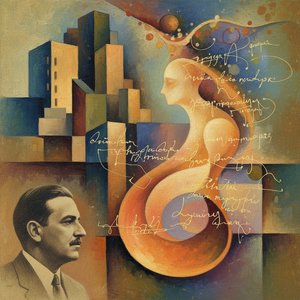
A Pioneer of Brazilian Modernism: The Life and Legacy of João Batista Vilanova Artigas
João Batista Vilanova Artigas, born in Curitiba, Brazil, in 1915, stands as a monumental figure in the evolution of Brazilian architecture. More than simply a builder of structures, Artigas was a visionary who sought to imbue his designs with social responsibility and artistic expression, ultimately becoming the founding father of the Paulista School. His journey began at the Polytechnic School of the University of São Paulo, where he earned his degree in 1937, an education that would serve as the bedrock for a career defined by innovation and a deep commitment to the Brazilian people. An early formative experience was his collaboration with Gregori Warchavchik on the ambitious remodeling of Praça da República, a project that hinted at the modernist sensibilities he would soon champion. From 1941 to 1947, Artigas dedicated himself to academia, shaping young minds as a professor of aesthetics, architecture, and planning at the University of São Paulo. This period culminated in the prestigious Guggenheim Fellowship awarded in 1946, solidifying his growing reputation within architectural circles and providing him with invaluable opportunities for international exposure.Early Influences and Architectural Style
Artigas’s formative years were marked by a profound engagement with European avant-garde movements, particularly Frank Lloyd Wright. His residential designs of this period exemplify Wright's Organicist Architecture—a harmonious blend of form and function achieved through the use of natural materials and an integration with the surrounding landscape. The Casa Ariosto Martirani stands as a testament to this influence, showcasing Wright’s principles of horizontal continuity and sculptural expression. Simultaneously, he absorbed the lessons of Le Corbusier, embracing structural elements like reinforced concrete and prioritizing functional design—a stylistic approach that would define his subsequent projects. This initial phase established Artigas's core aesthetic: simplicity, geometric precision, and a deliberate consideration for spatial organization.Academic Contributions and International Recognition
From 1941 to 1947, Artigas honed his craft as an educator at the University of São Paulo, fostering the intellectual development of aspiring architects and urban planners. His teaching focused on analyzing architectural history and exploring innovative design concepts—a commitment that would continue throughout his career. The Guggenheim Fellowship awarded in 1946 propelled him onto the global stage, granting him access to cutting-edge research and inspiring collaborations with fellow artists and thinkers. This prestigious honor underscored Artigas’s significance within the international architectural community and cemented his reputation as a champion of modernist ideals.The Brutalist Period: Monumental Expressionism
Artigas’s architectural style evolved dramatically during the 1960s and 70s, embracing Brutalism—a movement characterized by its raw concrete aesthetic and monumental scale. This stylistic shift reflected Artigas's conviction that architecture could serve as a vehicle for social transformation—a belief rooted in his involvement with the Brazilian Communist Party. Projects like Guarulhos Gymnasium exemplify this approach, utilizing massive concrete volumes to create spaces of grandeur and solemnity while addressing pressing urban needs. The use of exposed concrete was not merely decorative; it conveyed a deliberate rejection of ornamentation and an affirmation of structural honesty—a stylistic hallmark that distinguishes Artigas’s later works from earlier explorations.Legacy and Enduring Influence
João Batista Vilanova Artigas left behind an indelible mark on Brazilian architecture, establishing the Paulista School—a movement that prioritized functional design, expressed structural elements, and championed social responsibility. His unwavering dedication to artistic vision and societal values continues to inspire contemporary architects worldwide. The Museu Antonio Parreiras and Oscar Niemeyer Museum in Curitiba serve as enduring monuments to his legacy, safeguarding his architectural masterpieces and ensuring that Artigas’s philosophy—that architecture could be a force for positive change—remains relevant for generations to come. His meticulous attention to detail—the “minutiae”—elevated each project beyond mere construction into a profound statement of artistic intent and cultural identity.Perguntas e Respostas
Posso navegar pelas obras de João Batista Vilanova Artigas por paleta de cores?
A página Por Paletas agrupa as obras de João Batista Vilanova Artigas por suas paletas de cores.
Posso explorar as obras de João Batista Vilanova Artigas por palavra-chave?
A página Por Palavras-chave de João Batista Vilanova Artigas agrupa as obras do artista por suas palavras-chave.
De onde é João Batista Vilanova Artigas?
João Batista Vilanova Artigas nasceu em Brasil.