Retrato de James Peter Quinn

As 13 Pinturas Mais Famosas de James Peter Quinn, uma Seleção da Galeria

Atualizado em Novembro 2026 · classificado pela nossa pontuação de popularidade (pesquisas, visitas e pedidos de cada obra) · 15 obras de James Peter Quinn em nosso catálogo

Em resumo

De todas as obras originais deixadas por James Peter Quinn, a mais famosa é A Japanese Lady (1914), da coleção do Walker Art Gallery, em Liverpool. Logo atrás vêm Lillias Hamilton (1858–1925), Physician (1924) e LIEUTENANT R.G. COMBE, THE VICTORIA CROSS (1910). Nosso catálogo contém 15 obras de James Peter Quinn; a galeria preservou as 13 que o mundo mais admira, cada uma exibida com sua data, seu museu e sua história.

1869 – 1951, Melbourne Mais obras: Canadian War Museum

As 10 principais pinturas de James Peter Quinn: a escolha da galeria

1
A Japanese Lady (1914) de James Peter Quinn

A Japanese Lady

1914 · Oil On Canvas · Walker Art Gallery, Liverpool

A Japanese Lady is a portrait executed by James Peter Quinn in 1914. The work focuses on a woman characterized by her dark hair and traditional Asian attire. Quinn, an Australian portraitist born in Melbourne, established a significant presence in the art world through his academic training in Paris and his later service as an official war artist.

2
Lillias Hamilton (1858–1925), Physician (1924) de James Peter Quinn

Lillias Hamilton (1858–1925), Physician

1924 · Oil

The woman stands before us, draped in a heavy red cape that commands the space around her. She holds her hands clasped together, a gesture of quiet composure that suggests a mind accustomed to discipline and steady thought. Her attire, formal and purposeful, hints at a life lived within the rigorous structures of academia or the demanding precision of medicine. There is a stillness in her posture, yet the way…

3
LIEUTENANT R.G. COMBE, THE VICTORIA CROSS (1910) de James Peter Quinn

LIEUTENANT R.G. COMBE, THE VICTORIA CROSS

1910 · Oil · Canadian War Museum, Ottawa

The canvas holds a man of quiet weight. Lieutenant R.G. Combe sits in a three-quarter profile, his gaze directed toward an unseen point to the left. He wears a military tunic of deep olive green, the fabric rendered with thick, impasto strokes that suggest the heavy texture of wool. Light falls from the upper left, carving the contours of his face and casting soft, directional shadows that define the bridge…

4
LIEUTENANT COLONEL W.A. BISHOP (1910) de James Peter Quinn

LIEUTENANT COLONEL W.A. BISHOP

1910 · Oil On Canvas · Canadian War Museum, Ottawa

In the portrait LIEUTENANT COLONEL W.A. BISHOP, James Peter Quinn presents a three-quarter length depiction of the military officer. The subject is positioned slightly off-center against a dark, indeterminate background that lacks specific environmental detail. This compositional choice focuses the viewer's attention entirely on the sitter and his attire. The officer is rendered in full military regalia, which includes visible medals, insignia, and a cross-belt. The arrangement of these elements…

5
Major Okill Massey Learmonth (1918) de James Peter Quinn

Major Okill Massey Learmonth

1918 · Oil On Canvas · Canadian War Museum, Ottawa

The gaze of Major Okill Massey Learmonth meets the viewer through this formal oil portrait by the Australian portrait painter James Peter Quinn. Painted about 1918, the work captures a man defined by his service and the weight of his command. Learmonth holds the rank of acting Major in the 2nd (Eastern Ontario) Battalion of the Canadian Expeditionary Force, a position that carries a heavy sense of duty within the…

6
William Self Weeks (1934) de James Peter Quinn

William Self Weeks

1934 · Oil On Canvas

In this 1934 portrait, we find ourselves in the presence of William Self Weeks, captured in a moment of quiet, seated contemplation. The subject occupies the center of the frame, his presence established by a dark, formal suit and a waistcoat that suggests a life of significant standing. He sits within a dark wooden chair, his hands resting with a certain weight, one holding a folded piece of paper that…

A seleção de James Peter Quinn continua, de 11 a 13

Os temas que cativaram o olhar de James Peter Quinn

Os quatro temas que mais se repetem nestas obras originais, cada um com o seu melhor exemplo.

Os museus que guardam os originais de James Peter Quinn

Os 5 museus que detêm a maioria das pinturas desta página.

Museus Cidade Obras de James Peter Quinn Pinturas desta lista
Canadian War Museum, OttawaCanadian War Museum Ottawa 3 LIEUTENANT R.G. COMBE, THE VICTORIA CROSS, LIEUTENANT COLONEL W.A. BISHOP, Major Okill Massey Learmonth
Art Gallery of New South Wales, SydneyArt Gallery of New South Wales Sydney 2 George Bell (artist and critic), The rendezvous
Walker Art Gallery, LiverpoolWalker Art Gallery Liverpool 1 A Japanese Lady
Government Art Collection, LondresGovernment Art Collection Londres 1 Arthur, Duke of Connaught and Strathearn (1850–1942) (copy after John Singer Sargent)
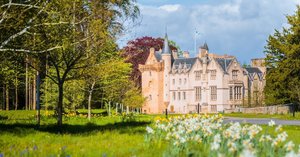
The National Trust For Scotland, ForresThe National Trust For Scotland Forres 1 Fish Market at Étaples, France

James Peter Quinn década a década: a obra original que define cada uma

Obras por década

Escolha uma década para ver a obra original que a define.

Perguntas de colecionadores sobre as pinturas de James Peter Quinn

Por qual obra James Peter Quinn é mais conhecido(a)?Revelar a resposta

A Japanese Lady (1914), Walker Art Gallery, Liverpool. Lillias Hamilton (1858–1925), Physician (1924) e LIEUTENANT R.G. COMBE, THE VICTORIA CROSS (1910) vêm a seguir.

Qual era a idade de James Peter Quinn quando A Japanese Lady foi feita?Revelar a resposta

45 anos: A Japanese Lady data de 1914, e James Peter Quinn nasceu em 1869.

Quais são as dez pinturas mais famosas de James Peter Quinn?Revelar a resposta

A Japanese Lady, Lillias Hamilton (1858–1925), Physician, LIEUTENANT R.G. COMBE, THE VICTORIA CROSS, LIEUTENANT COLONEL W.A. BISHOP, Major Okill Massey Learmonth, William Self Weeks, George Bell (artist and critic), C. J. Bowen Cooke, London and North Western Railway, Dr Robert Aitken (1869–1951) e Arthur (1850–1942), Duke of Connaught, President of the Bible Society (copy of John Singer Sargent). O ranking acima apresenta o ano e o museu de cada uma.

Quantas pinturas James Peter Quinn deixou?Revelar a resposta

Nosso catálogo contém 15 obras de James Peter Quinn, datadas de 1910 a 1939.

Em quais museus estão expostas as obras-primas de James Peter Quinn?Revelar a resposta

Principalmente em Canadian War Museum (Ottawa), Art Gallery of New South Wales (Sydney) e Walker Art Gallery (Liverpool). A tabela de museus acima lista todos eles.

Em que anos James Peter Quinn pintou as suas obras mais famosas?Revelar a resposta

Em 1930s: 5 das 13 obras nesta página foram feitas então, sendo William Self Weeks delas.

Quais são as primeiras e as últimas obras originais famosas de James Peter Quinn?Revelar a resposta

Nesta página, a mais antiga é LIEUTENANT R.G. COMBE, THE VICTORIA CROSS (1910) e a mais recente é George Bell (artist and critic) (1939).

Quais temas James Peter Quinn escolheu com mais frequência?Revelar a resposta

Man (5), Chair (3) e Portrait (3), entre as 13 obras nesta página.

Qual técnica James Peter Quinn mais utilizou?Revelar a resposta

Oil On Canvas, para 4 das 13 obras nesta página.

Quais obras de James Peter Quinn estão expostas no Canadian War Museum?Revelar a resposta

LIEUTENANT R.G. COMBE, THE VICTORIA CROSS, LIEUTENANT COLONEL W.A. BISHOP e Major Okill Massey Learmonth: o Canadian War Museum, Ottawa detém 3 das obras desta página.

James Peter Quinn: vida e obra

Early Life and Artistic Foundations

James Peter Quinn, born in Melbourne, Australia, in 1869, emerged as a significant figure in Australian portraiture at the turn of the twentieth century. His artistic journey began with formative studies under Frederick McCubbin at the National Gallery of Victoria Art School, laying a foundation steeped in the traditions of Australian landscape painting. This early exposure was broadened by tutelage from George Folingsby and Bernard Hall, further refining his skills before he embarked on an ambitious period of study in Paris between 1893 and 1901. At the Académie Julian and École des Beaux-Arts, under the guidance of Jean Paul Laurens, Quinn absorbed the techniques and aesthetic sensibilities of European academic art—a crucial step that would shape his distinctive style. His time at the Etaples art colony in northern France proved particularly influential, fostering camaraderie with fellow Australian artists like Rupert Bunny and Hilda Rix Nicholas, and exposing him to a vibrant artistic community.

The Rise of a Portraitist

By 1904, Quinn had firmly established himself as a highly sought-after portrait painter. His work resonated with an audience captivated by his ability to capture not merely likenesses but the very essence of his sitters. Exhibiting at the prestigious Royal Academy of Arts signaled his arrival on the international art scene. The recognition he received in 1912, with an honourable mention for *Mère et Fils* (a portrait of his wife and son) at the Salon in Paris, further cemented his reputation. This success led to a series of commissions from prominent figures—Joseph Chamberlain, the Duchess of York, and even the Duke of Windsor all entrusted their portraits to Quinn’s skilled hand. He possessed an innate talent for conveying social status and personality through meticulous detail and subtle nuances of expression.

Wartime Service and the Portrait of Monash

The outbreak of World War I brought a new dimension to Quinn's career, as he was appointed official war artist for the First AIF. While tasked with documenting the conflict, his focus shifted towards portraying the officers serving in France. This period proved fraught with challenges, marked by friction with authorities and fellow artists—a testament to his independent spirit and uncompromising artistic vision. However, it also yielded one of his most enduring masterpieces: the portrait of General Sir John Monash, Commander-in-Chief of the Australian Corps. Monash, a pivotal figure in the Allied victory at Amiens in 1918, became an iconic subject for Quinn. The resulting portrait, celebrated for its powerful depiction of leadership and integrity, remained within the Monash-Bennett family for decades before being gifted to the National Portrait Gallery of Australia in Canberra. It served as the model for the prestigious Monash Medal, awarded annually to Australians who demonstrate exceptional service to their community.

Later Years and Artistic Legacy

Following his wartime experiences, Quinn continued his work with Canadian War Records before returning to Australia in December 1935 after the tragic loss of his son René. Back on Australian soil, he rejoined the Victorian Artists Society, even serving as its president for a remarkable twelve years. He also became a founding member of the Australian Academy of Art, an organisation established by Robert Menzies that championed traditional artistic values. Despite his conservative affiliations, Quinn’s openness to modern art often led to public confrontations and debates—underscoring his complex relationship with the evolving art world. Throughout his later years, he continued to exhibit his paintings and impart his knowledge as a teacher at the National Gallery of Victoria Art School. A commemorative exhibition in 1980, curated by Alison Fraser, brought renewed attention to his portraiture, rescuing it from relative obscurity and solidifying his place in Australian art history. Quinn’s legacy lies not only in his masterful portraits but also in his ability to capture the spirit of an era—a testament to his enduring artistic vision and unwavering commitment to his craft.