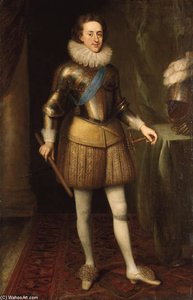
Retrato de Isaac Oliver

As 43 Pinturas Mais Famosas de Isaac Oliver, Cada Uma Única

Atualizado em Novembro 2026 · classificado pela nossa pontuação de popularidade (pesquisas, visitas e pedidos de cada obra) · 43 obras de Isaac Oliver em nosso catálogo

Em resumo

Ludovic Stuart (1574-1623/1624), first Duke of Richmond and second Duke of Lennox or Thomas Howard (1561-1628), Earl of Suffolk (1598) é a pintura de Isaac Oliver que mais atrai olhares; a obra original pertence ao Rijksmuseum, Amsterdã. Depois disso, o olhar recai sobre Robert Devereux, Second Earl of Essex (1596) e Portrait of a Woman (1596). Entre as 43 obras de Isaac Oliver em nosso catálogo, estas 43 são as mais famosas, cada uma uma original única apresentada com o seu ano, o seu museu e a razão pela qual perdura.

1556 – 1617, Ruão Baroque Mais obras: Rijksmuseum

As 10 principais pinturas de Isaac Oliver, sob o olhar da galeria

1
Ludovic Stuart (1574-1623/1624), first Duke of Richmond and second Duke of Lennox or Thomas Howard (1561-1628), Earl of Suffolk (1598) de Isaac Oliver

Ludovic Stuart (1574-1623/1624), first Duke of Richmond and second Duke of Lennox or Thomas Howard (1561-1628), Earl of Suffolk

1598 · Watercolor · Rijksmuseum, Amsterdã

The subject stares from an oval window of gold, a man caught in the stillness of a single moment. He is positioned slightly off-center, his gaze drifting toward the left as if acknowledging a presence just beyond the frame. A deep, saturated ultramarine blue forms the backdrop, a solid wall of color that pushes the figure forward. Against this intense field, the pale, naturalistic tones of his skin emerge with…

3
Portrait of a Woman (1596) de Isaac Oliver

Portrait of a Woman

1596 · Watercolor · Rijksmuseum, Amsterdã

The subject gazes out from a small, oval window into the year 1596, her presence felt through the delicate layers of lace and the glint of precious stones. She sits in a quiet, intimate moment, her dark, tightly curled hair catching the light and revealing intricate jeweled ornaments tucked within the shadows. A massive white lace ruff, a millstone collar, fans out around her neck in a complex geometry of…

4
Arabella Stuart (1595) de Isaac Oliver

Arabella Stuart

1595 · Watercolor · Rijksmuseum, Amsterdã

Isaac Oliver captures the likeness of Lady Arabella Stuart in this intimate portrait miniature. The subject, who lived from 1575 to 1615, is rendered with a quiet, steady gaze. This work is dated 1595. A single pearl rests against her skin, a small point of light amidst the soft shadows of her neck.

5
Dudley North, third Baron North (1581-1666) (1609) de Isaac Oliver

Dudley North, third Baron North (1581-1666)

1609 · Gouache · Yale Center for British Art, New Haven

To hold a miniature of this scale is to enter a private, whispered world of the early seventeenth century. This portrait of Dudley North, third Baron North, captures a young man in a moment of quiet composure. He is presented in a three-quarter view, his head turned slightly toward the center, eyes meeting the viewer with a calm, steady gaze. The composition is contained within an oval frame, a format…

6
Young Man Seated under a Tree (1590) de Isaac Oliver

Young Man Seated under a Tree

1590 · Oil · Royal Collection, Londres

The portrait titled Young Man Seated under a Tree is a work by Isaac Oliver. Created about 1590, this painting captures a single male figure positioned within a lush landscape. He is dressed in aristocratic attire, his presence marked by the formal dignity of his station. In his hand, he holds a walking stick, a quiet companion to his poised stance.

7
Portrait of an Unknown Gentleman in a Copper Medallion (1600) de Isaac Oliver

Portrait of an Unknown Gentleman in a Copper Medallion

1600 · Watercolor · Amsterdam Museum, Amsterdão

A bust-length portrait of a gentleman emerges from a deep cobalt blue background, creating a sharp contrast that directs all attention to the sitter. He is rendered with a calm, steady gaze, looking slightly off-center. His dark hair, well-groomed mustache, and small goatee are defined by precise, fine lines. He wears a dark doublet or jacket, accented by a crisp white collar at the neck. A single hand is positioned…

8
Portrait of a Woman in Masquerade Costume as Flora (1596) de Isaac Oliver

Portrait of a Woman in Masquerade Costume as Flora

1596 · Watercolor · Rijksmuseum, Amsterdã

Isaac Oliver executed Portrait of a Woman in Masquerade Costume as Flora around 1596. This miniature portrait captures a female subject adorned in an elaborate masquerade costume, specifically representing the classical figure of Flora. The work belongs to the tradition of late Renaissance and Mannerist portraiture, rendered with the precision required for small-scale works on parchment.

9
Elizabeth, Queen of Bohemia (1596) de Isaac Oliver

Elizabeth, Queen of Bohemia

1596 · Gouache · Yale Center for British Art, New Haven

The light catches the soft, luminous skin of Elizabeth, Queen of Bohemia, as she gazes out from an intimate oval frame. This portrait miniature, captured around 1596, offers a quiet, direct connection between the subject and the viewer. Her face, rendered with a delicate touch, emerges from a pale blue background, framed by the voluminous texture of her hair and the airy, translucent quality of a lace collar. There is…

10
Madonna and Child in Glory (1611) de Isaac Oliver

Madonna and Child in Glory

1611 · Oil · Cleveland Museum of Art, Cleveland

In Madonna and Child in Glory by Isaac Oliver, the viewer is presented with a quiet, celestial scene. The composition is centered upon the seated Virgin Mary, who cradles the Christ Child in her lap. They are positioned amidst a soft cloudscape of neutral grays and whites, creating a sense of divine presence. A bright, ethereal light emanates from behind the figures, casting a gentle glow that defines their forms…

Pinturas famosas de Isaac Oliver, números 11 a 43

Os temas que cativaram o olhar de Isaac Oliver

Os quatro temas que mais se repetem nestas obras originais, cada um com o seu melhor exemplo.

Os museus que guardam os originais de Isaac Oliver

Os 8 museus que detêm a maioria das pinturas desta página.

Museus Cidade Obras de Isaac Oliver Pinturas desta lista
Rijksmuseum, AmsterdãRijksmuseum Amsterdã 4 Ludovic Stuart (1574-1623/1624), first Duke of Richmond and second Duke of Lennox or Thomas Howard (1561-1628), Earl of Suffolk, Portrait of a Woman, Arabella Stuart
Nationalmuseum, EstocolmoNationalmuseum Estocolmo 4 Lady Venetia Anastasia Digby, Admiral George Clifford (1558-1605), 3rd earl of Cumberland, Charles I as a child, King of England, Scotland and Ireland
Yale Center for British Art, New HavenYale Center for British Art New Haven 3 Robert Devereux, Second Earl of Essex, Dudley North, third Baron North (1581-1666), Elizabeth, Queen of Bohemia
Royal Collection, LondresRoyal Collection Londres 1 Young Man Seated under a Tree
Amsterdam Museum, AmsterdãoAmsterdam Museum Amsterdão 1 Portrait of an Unknown Gentleman in a Copper Medallion
Cleveland Museum of Art, ClevelandCleveland Museum of Art Cleveland 1 Madonna and Child in Glory
Victoria and Albert Museum, LondresVictoria and Albert Museum Londres 1 Frances Howard, Countess of Somerset and Essex
Brandywine Museum of Art, Delaware CountyBrandywine Museum of Art Delaware County 1 The Annunciation

Isaac Oliver ao longo das décadas: uma obra original única para cada uma

Obras por década

Escolha uma década para ver a obra original que a define.

Pinturas de Isaac Oliver: perguntas para a galeria

Qual é a obra mais famosa de Isaac Oliver?Revelar a resposta

Ludovic Stuart (1574-1623/1624), first Duke of Richmond and second Duke of Lennox or Thomas Howard (1561-1628), Earl of Suffolk (1598), Rijksmuseum, Amsterdã. Robert Devereux, Second Earl of Essex (1596) e Portrait of a Woman (1596) vêm a seguir.

Com que idade Isaac Oliver criou Ludovic Stuart (1574-1623/1624), first Duke of Richmond and second Duke of Lennox or Thomas Howard (1561-1628), Earl of Suffolk?Revelar a resposta

42 anos: Ludovic Stuart (1574-1623/1624), first Duke of Richmond and second Duke of Lennox or Thomas Howard (1561-1628), Earl of Suffolk data de 1598, e Isaac Oliver nasceu em 1556.

Quais são as dez pinturas mais famosas de Isaac Oliver?Revelar a resposta

Ludovic Stuart (1574-1623/1624), first Duke of Richmond and second Duke of Lennox or Thomas Howard (1561-1628), Earl of Suffolk, Robert Devereux, Second Earl of Essex, Portrait of a Woman, Arabella Stuart, Dudley North, third Baron North (1581-1666), Young Man Seated under a Tree, Portrait of an Unknown Gentleman in a Copper Medallion, Portrait of a Woman in Masquerade Costume as Flora, Elizabeth, Queen of Bohemia e Madonna and Child in Glory. O ranking acima apresenta o ano e o museu de cada uma.

Quantas obras de Isaac Oliver são conhecidas?Revelar a resposta

Nosso catálogo contém 43 obras de Isaac Oliver, datadas de 1590 a 1611.

Onde se pode ver os originais mais famosos de Isaac Oliver?Revelar a resposta

Principalmente em Rijksmuseum (Amsterdã), Nationalmuseum (Estocolmo) e Yale Center for British Art (New Haven). A tabela de museus acima lista todos eles.

Em que período Isaac Oliver criou as suas pinturas mais conhecidas?Revelar a resposta

Em 1590s: 8 das 43 obras nesta página foram feitas então, sendo Ludovic Stuart (1574-1623/1624), first Duke of Richmond and second Duke of Lennox or Thomas Howard (1561-1628), Earl of Suffolk delas.

Qual pintura famosa de Isaac Oliver é a mais antiga e qual é a mais recente?Revelar a resposta

Nesta página, a mais antiga é Young Man Seated under a Tree (1590) e a mais recente é Madonna and Child in Glory (1611).

Quais temas Isaac Oliver preferia?Revelar a resposta

Portraits (8), Blue background (6) e Portrait (6), entre as 43 obras nesta página.

Com quais materiais Isaac Oliver mais pintou?Revelar a resposta

Watercolor, para 6 das 43 obras nesta página.

A qual movimento pertence a obra de Isaac Oliver?Revelar a resposta

Baroque, a julgar pelos originais nesta página.

Quais originais de Isaac Oliver posso ver no Rijksmuseum?Revelar a resposta

Ludovic Stuart (1574-1623/1624), first Duke of Richmond and second Duke of Lennox or Thomas Howard (1561-1628), Earl of Suffolk, Portrait of a Woman e Arabella Stuart: o Rijksmuseum, Amsterdã detém 4 das obras desta página.

Isaac Oliver: um retrato do artista

O Mestre da Miniatura: A Vida de Isaac Oliver

A delicada arte da pintura de retratos em miniatura encontra uma de as suas vozes mais profundas na obra de Isaac Oliver. Nascido em Rouen, França, por volta de 1565, os seus primeiros anos foram moldados pelos ventos turbulentos das Guerras de Religião. Em busca de refúgio do conflito, os seus pais huguenotes, Peter e Epiphany Oliver, levaram-no para Londres em 1568. Esta migração acabaria por colocá-lo no coração do Renascimento inglês, onde ele refinaria um talento que capturaria a própria essência das cortes elisabetana e jacobina.

A jornada artística de Oliver foi marcada por um profundo aprendizado e conexões familiares. Ele estudou o intrincado ofício da pintura em miniatura sob a tutela do renomado Nicholas Hilliard, mas não se limitou a replicar o estilo do seu mestre. Em vez disso, Oliver infundiu uma nova vitalidade naturalista ao meio. O seu trabalho começou a refletir uma mistura sofisticada de influências, bebendo da elegância subtil da arte italiana e do realismo rico e texturizado encontrado nas tradições flamengas. Esta evolução marcou um afastamento dos seus predecessores mais estilizados, movendo-se em direção a uma técnica que privilegiava a profundidade emocional e o detalhe luminoso.

Arte, Técnica e Esplendor Cortesão

Contemplar uma miniatura de Oliver é testemunhar uma aula magistral de luz e sombra. A sua técnica envolvia uma sobreposição meticulosa de camadas de vernizes finos, um processo que lhe permitia construir texturas e tons com uma precisão incrível. Ele possuía uma capacidade singular de renderizar a iluminação suave e difusa que parece emanar do interior dos seus sujeitos, banhando os rostos num brilho gentil que realça a curva delicada de uma maçã do rosto ou a melancolia subtil num olhar. O seu compromisso com o realismo estendia-se aos detalhes mais minuciosos, desde os intrincados folhos e dobras de um vestido elaborado até ao brilho cintilante de uma única joia.

A sua vida profissional estava profundamente entrelaçada com os mais altos escalões da sociedade inglesa. Após a morte de Elizabeth I, a reputação de Oliver garantiu-lhe um lugar na corte de James I. Ele foi nomeado como "pintor de Sua Majestade na arte de lymning," um papel prestigiado que o viu capturar a semelhança de reis e nobres. Os seus retratos de figuras como a Rainha Ana da Dinamarca e Henry Frederick, Príncipe de Gales, erguem-se como testemunhos da sua habilidade em transmitir tanto a dignidade formal da monarquia quanto uma vulnerabilidade humana mais íntima.

Legado e Significado Histórico

O legado de Isaac Oliver preserva-se não apenas nos remanescentes físicos das suas exquisitas miniaturas, mas também na linhagem de talento que ele ajudou a fomentar. O seu filho, Peter Oliver, viria a tornar-se um eminente pintor de miniaturas por mérito próprio, continuando a contribuição da família para esta forma de arte especializada. Através do seu casamento com Sara, filha do célebre pintor de retratos Marcus Gheeraerts, o Velho, Oliver ficou ainda mais inserido numa rica tapeçaria de excelência artística que definiu a era.

Hoje, as obras de Isaac Oliver servem como janelas comoventes para um mundo desaparecido. Seja através dos seus retratos evocativos de figuras como Frances Howard, Condessa de Somerset e Essex — que capturam um quadro de ambição e desilusão — ou das suas pinturas a óleo mais clássicas, a sua contribuição para a história do retrato permanece inegável. A sua capacidade de casar o detalhe meticuloso com uma subtil profundidade emocional garante que as suas miniaturas sejam muito mais do que meras semelhanças; são estudos psicológicos duradouros que continuam a cativar o olhar moderno.