Primeiros Anos e Inícios Artísticos
Henry Hetherington Emmerson, nascido em 1831, emergiu de uma Grã-Bretanha imersa nas tradições da paisagem e do retrato, mas posicionada no limiar de uma mudança artística significativa. Embora os registros detalhados de seus primeiros anos permaneçam escassos, sabe-se que ele gravitou em direção à pintura com uma paixão precoce. A era vitoriana proporcionou um terreno fértil para artistas focados em cenas de gênero — representações da vida cotidiana — e Emmerson rapidamente se viu atraído por este estilo popular. Ele não estava necessariamente inovando em termos de temática inicialmente, mas sim aperfeiçoando suas habilidades dentro das convenções estabelecidas, desenvolvendo um olhar aguçado para o detalhe e uma sensibilidade às nuances do caráter humano. Este período inicial foi crucial para estabelecer a base técnica que mais tarde lhe permitiria imbuir sua obra com um charme distinto e uma qualidade narrativa. Ele recebeu treinamento formal, embora os detalhes sejam incertos, provavelmente beneficiando-se das inúmeras escolas de arte e da instrução privada disponíveis na época. A influência de artistas como David Wilkie, renomado por suas pinturas de gênero moralizantes, está sutilmente presente nas primeiras obras de Emmerson, particularmente no arranções cuidadosas das figuras e na ênfase nos interiores domésticos.Um Foco na Vida Vitoriana e no Retrato
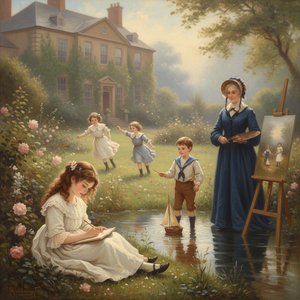
Emmerson conquistou seu espaço como um pintor da vida vitoriana, especializando-se em cenas que frequentemente apresentavam crianças e interações familiares. Suas telas não eram grandes narrativas históricas ou paisagens vastas; em vez disso, ofereciam vislumbres íntimos das vidas de famílias de classe média. Ele possuía uma habilidade excepcional de capturar a inocência e a ludicidade da infância, retratando seus jovens sujeitos com um realismo e um afeto notáveis. Isso não era meramente uma questão de habilidade técnica; Emmerson parecia genuinamente sintonizado com o mundo emocional das crianças, transmitindo sua curiosidade, travessura e vulnerabilidade com sensibilidade. Ao lado dessas cenas de gênero, ele também realizou encomendas de retratos, consolidando ainda mais sua reputência como um artista capaz e requisitado. Seus retratos, embora não revolucionários em estilo, caracterizavam-se pela precisão e atenção aos detalhes, fornecendo registros visuais valiosos da sociedade vitoriana. Ele expôs regularmente na Royal Academy, ganhando reconhecimento por sua capacidade de retratar a vida cotidiana com proficiência técnica e ressonância emocional.O Bewick Club e o Círculo Artístico
Um aspecto significativo da vida artística de Emmerson foi seu envolvimento com o Bewick Club, um grupo de artistas fundado em 1856. Nomeado em homenagem ao célebre gravador Thomas Bewick, o clube oferecia uma plataforma para artistas interessados na xilogravura e ilustração, mas seu escopo estendia-se além desses meios para abranger a pintura e o desenho. O Bewick Club fomentava um espírito de camaradagem e apoio mútuo entre seus membros, incentivando a experimentação e a colaboração. A participação de Emmerson sugere um interesse em tendências artísticas mais amplas além de seu trabalho de gênero estabelecido, talvez influenciando sua abordagem à composição e ao detalhe. A ênfase do clube no naturalismo e na observação provavelmente ressoou com suas próprias sensibilidades artísticas, reforçando seu compromisso em retratar com precisão o mundo ao seu redor. Ele não era apenas um membro passivo; contribuiu ativamente para as atividades do clube, participando de exposições e discussões que moldaram o cenário artístico da época.Estilo, Técnica e Legado Duradredo
O estilo de Emmerson é melhor descrito como um realismo refinado com um toque de sentimentalismo. Ele não era um inovador que rompia fronteiras; em vez disso, destacava-se ao aperfeiçoar técnicas existentes para criar obras que eram tanto tecnicamente realizadas quanto emocionalmente envolventes. Sua pincelada é precisa e detalhada, particularmente na representação de tecidos, texturas e expressões faciais. Ele empregava uma paleta suave, favorecendo tons terrosos e gradações sutis de cor para criar uma sensação de calor e intimidade. A luz desempenha um papel crucial em suas composições, muitas vezes iluminando figuras ou objetos fundamentais para atrair a atenção do espectador. Embora não tenha alcançado uma fama generalizada comparável à de alguns de seus contemporâneos, Emmerson deixou um corpo de trabalho que oferece percepções valiosas sobre a vida vitoriana e as sensibilidades artísticas. Suas pinturas proporcionam um vislumbre dos interiores domésticos, costumes sociais e do mundo emocional das famílias de classe média durante um período de rápidas mudanças. Hoje, suas obras são apreciadas por seu charme, habilidade técnica e capacidade de evocar uma sensação de nostalgia por uma era passada. Ele faleceu em 1895, deixando um legado como um habilidoso pintor de gênero que capturou a essência da vida vitoriana com sensibilidade e graça.Principais Conquistas e Significância Histórica
- Exposições Regulares na Royal Academy: A exibição consistente neste prestigiado local estabeleceu a reputação de Emmerson entre críticos de arte e colecionadores.
- Membro Fundador do Bewick Club: Seu envolvimento demonstra um compromisso com a colaboração artística e a exploração além de seu trabalho principal de gênero.
- Pintura de Gênero como Comentário Social: Embora não explicitamente política, as representações da vida cotidiana de Emmerson oferecem percepções sutis sobre os costumes e valores sociais vitorianos.
- Retrato da Inocência Infantil: Suas representações sensíveis e realistas de crianças permanecem como um destaque de sua obra, capturando o mundo emocional da juventude com notável precisão.
- Preservação da Vida Doméstica Vitoriana: Suas pinturas servem como registros visuais valiosos dos interiores, moda e interações sociais da classe média durante o século XIX.
Perguntas e Respostas
Onde posso ver todas as obras de Henry Hetherington Emmerson?
Todas as obras de Henry Hetherington Emmerson no este site podem ser exploradas na página de Todas as obras do artista.
Onde as obras de Henry Hetherington Emmerson estão agrupadas por palavras-chave?
A página Por palavras-chave de Henry Hetherington Emmerson agrupa as obras do artista por palavras-chave.
Como posso encontrar todas as obras de Henry Hetherington Emmerson por técnica?
Para encontrar todas as obras de Henry Hetherington Emmerson por técnica, acesse a página de Por Técnica do artista.