Giovanni Ambrogio Figino: A Milanese Master of Renaissance Portraiture and Religious Vision
Giovanni Ambrogio Figino (1553 – 1608) stands as a pivotal figure in the Lombard School of painting, embodying the artistic spirit of late sixteenth-century Milan—a city deeply invested in Counter-Reformation piety. Trained under Gian Paolo Lomazzo, he honed his skills in drawing and meticulously crafted portraits that captured the essence of his subjects with remarkable realism and psychological insight.
- Early Life & Training: Born in Milan, Figino’s formative years were marked by exposure to the humanist ideals prevalent during the Renaissance. Lomazzo's influence instilled a profound appreciation for classical art principles and anatomical accuracy—elements that would permeate his oeuvre.
- Notable Achievements: Figino achieved considerable renown as a draftsman, producing preparatory sketches for monumental commissions like the shutters of Milan Cathedral alongside Camillo Procaccini and Giuseppe Meda, depicting the biblical narrative of the Red Sea crossing and Christ’s ascension. His portrait of Lucio Foppa remains one of his most celebrated works, showcasing masterful technique and capturing Foppa's dignified countenance.
- Religious Painting: Beyond portraiture, Figino excelled in religious compositions, notably the depiction of Saint Ambrose expelling the Arians from San Giovanni Laterano’s cloister and a Virgin with Child alongside saints—pieces now housed at Brera Gallery. These works demonstrate his command of color and composition, reflecting the stylistic conventions of the Lombard School.
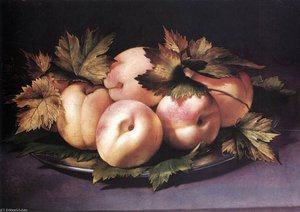
- Still Life Innovation: Figino distinguished himself from many of his contemporaries by venturing into still life painting, producing an uncommon genre for Italian artists of his time. His depiction of peaches stands as a testament to his artistic curiosity and willingness to explore new visual vocabularies.
- Legacy & Recognition: Figino’s work continues to inspire admiration for its elegance, precision, and emotional depth. The auction sale of Saint Charles Borromeo's portrait in 2001 solidified his reputation as a significant artist of the era, underscoring the enduring power of his artistic vision.
His contribution to Milanese art history is undeniable; Giovanni Ambrogio Figino’s legacy resides not only in his individual masterpieces but also in his role as a teacher and mentor who nurtured the talents of subsequent generations of painters.